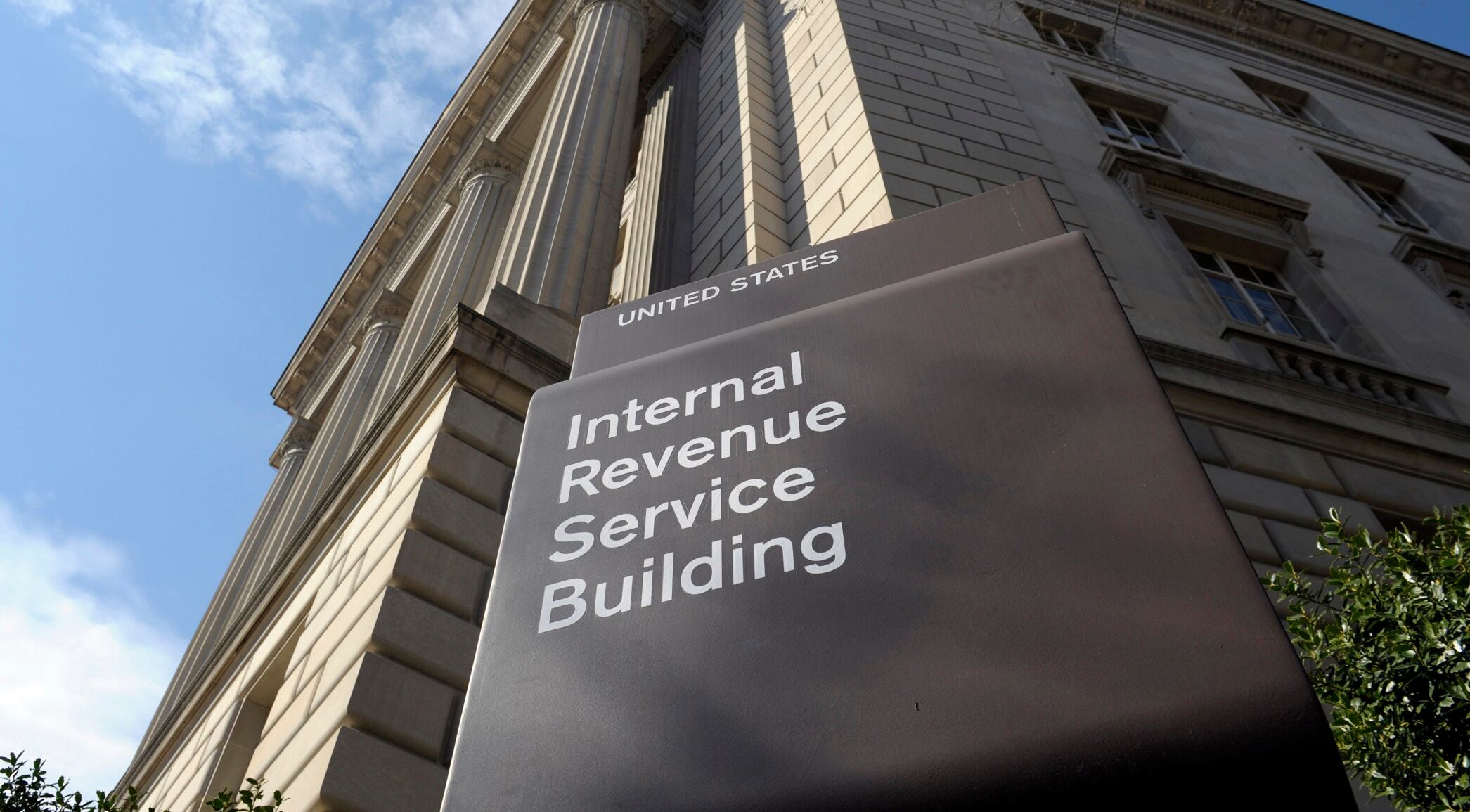
In this photo March 22, 2013, photo, the exterior of the Internal Revenue Service (IRS) building in Washington. The IRS sys it will stop using facial recognition technology to authenticate people who create online accounts after the practice came under criticism from privacy advocates and lawmakers (AP Photo/Susan Walsh, File)
By Fatima Hussein
The IRS said Monday it will suspend the use of facial recognition technology to authenticate people who create online accounts after the practice was criticized by privacy advocates and lawmakers.
The agency said it would no longer use a third-party service, called ID.me, for facial recognition. Critics of the software said the database could become a target for cyberthreats. They also expressed concern about how the information could be used by other government agencies, among other concerns.
Earlier Monday, Senate Finance Committee Chair Ron Wyden, D-Ore., called on the agency to end its use of the ID.me software. After the IRS announced the practice would be suspended, Wyden said "the Treasury Department has made the smart decision to direct the IRS to transition away from using the controversial ID.me verification service.”
"No one should be forced to submit to facial recognition to access critical government services,” he added.
The IRS is currently grappling with a worker shortage and an expanded workload from processing tax filings and administering pandemic-related programs. Legislation that would have given the agency billions of dollars to more expeditiously process returns is stalled.
“The IRS takes taxpayer privacy and security seriously, and we understand the concerns that have been raised,” said IRS Commissioner Chuck Rettig.
“Everyone should feel comfortable with how their personal information is secured, and we are quickly pursuing short-term options that do not involve facial recognition.”
The agency said the transition would occur “over the coming weeks in order to prevent larger disruptions to taxpayers during filing season.”
Amazon founder Jeffrey Bezos took to the stage at the U.N.'s COP26 Climate Summit to unveil a new plan to combat climate change, but some say it might do more harm than good. Justine Calma, Science Reporter at The Verge, joined Cheddar to discuss.
Rep. Ritchie Torres of New York talks about the importance of the historical Build Back Better Act and how these bills could help millions of Americans across the country.
Pfizer has asked the FDA to expand authorization of COVID booster shots for all adults. The agency is expected to grant the request in the coming weeks, allowing vaccinated Americans as young as 18 to get boosted before the holidays. Dr. Bayo Curry-Winchell, Regional Clinical Director at Carbon Health, joined Cheddar to discuss.
The Justice Department has filed a lawsuit to block Penguin Random House from acquiring its rival Simon & Schuster. The DOJ hopes this will block the merger, which it says would ultimately hurt authors and consumers nationwide. Barry C. Lynn, executive director of the Open Markets Institute, joined Cheddar to explain what the lawsuit signals about the Biden administration's approach to cracking down on antitrust, and why Amazon might be next.
The major markets took a breather Tuesday, with the Dow, S&P, Nasdaq, and Russell 2000 all finishing lower after notching record closes on Monday. Rhys Williams, Chief Strategist at Spouting Rock Asset Management, joins Cheddar News' Closing Bell, where he provides his biggest takeaways from the day's activity.
The U.S. economy added 531,000 jobs in the month of October, painting a better picture of the economy that analysts had expected. Jared Bernstein, Council of Economic Advisers Member for President Biden joined Cheddar's Opening Bell to discuss.
Election Day 2021 is in the books, and it wasn't a pretty picture for Democrats. Governor Phil Murphy narrowly won re-election in New Jersey and Republican Glenn Youngkin upset Democrat Terry McAuliffe in Virginia, with many other disappointing losses for the left. Meridith McGraw, national correspondent for Politico, breaks down the key takeaways from this year as the nation looks ahead to the 2022 midterms.
Markets opened higher to kick off the week as investors continue to digest the better-than-expected jobs report, which showed 531,000 new jobs created in October. Ken Johnson, CFA, Investment Strategy Analyst joined Cheddar's Opening Bell to break down his early market insights.