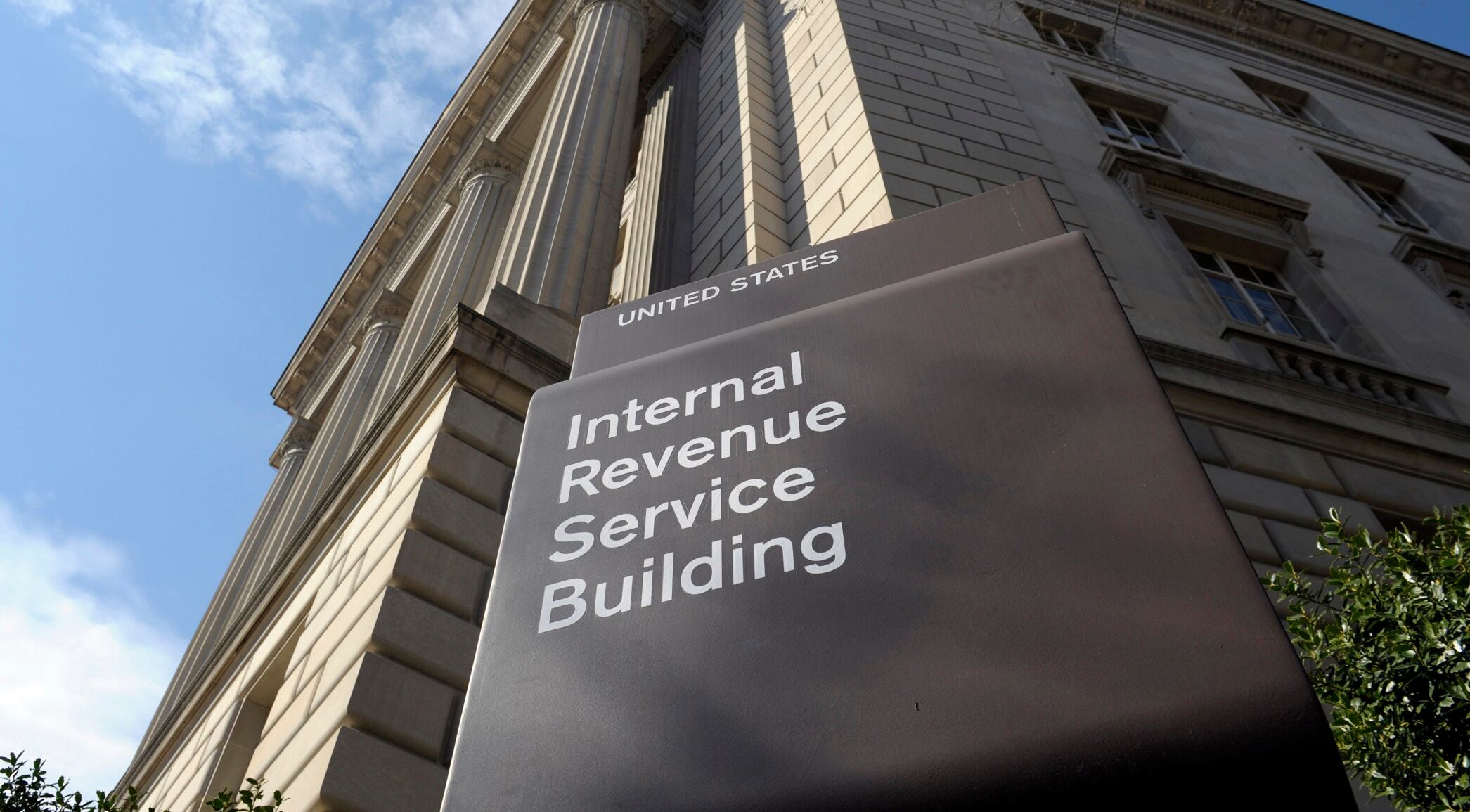
In this photo March 22, 2013, photo, the exterior of the Internal Revenue Service (IRS) building in Washington. The IRS sys it will stop using facial recognition technology to authenticate people who create online accounts after the practice came under criticism from privacy advocates and lawmakers (AP Photo/Susan Walsh, File)
By Fatima Hussein
The IRS said Monday it will suspend the use of facial recognition technology to authenticate people who create online accounts after the practice was criticized by privacy advocates and lawmakers.
The agency said it would no longer use a third-party service, called ID.me, for facial recognition. Critics of the software said the database could become a target for cyberthreats. They also expressed concern about how the information could be used by other government agencies, among other concerns.
Earlier Monday, Senate Finance Committee Chair Ron Wyden, D-Ore., called on the agency to end its use of the ID.me software. After the IRS announced the practice would be suspended, Wyden said "the Treasury Department has made the smart decision to direct the IRS to transition away from using the controversial ID.me verification service.”
"No one should be forced to submit to facial recognition to access critical government services,” he added.
The IRS is currently grappling with a worker shortage and an expanded workload from processing tax filings and administering pandemic-related programs. Legislation that would have given the agency billions of dollars to more expeditiously process returns is stalled.
“The IRS takes taxpayer privacy and security seriously, and we understand the concerns that have been raised,” said IRS Commissioner Chuck Rettig.
“Everyone should feel comfortable with how their personal information is secured, and we are quickly pursuing short-term options that do not involve facial recognition.”
The agency said the transition would occur “over the coming weeks in order to prevent larger disruptions to taxpayers during filing season.”
Two murder trials in focus in America — Wisconsin V. Kyle Rittenhouse and Georgia V. Travis Mcmichael, Gregory Mcmichael, and William Bryan, the Men who killed Ahmaud Arbery. Civil rights and criminal defense lawyer Anthony Tall and the Founder and CEO of Kim Crowder consulting Kim Crowder, joined Cheddar to discuss more.
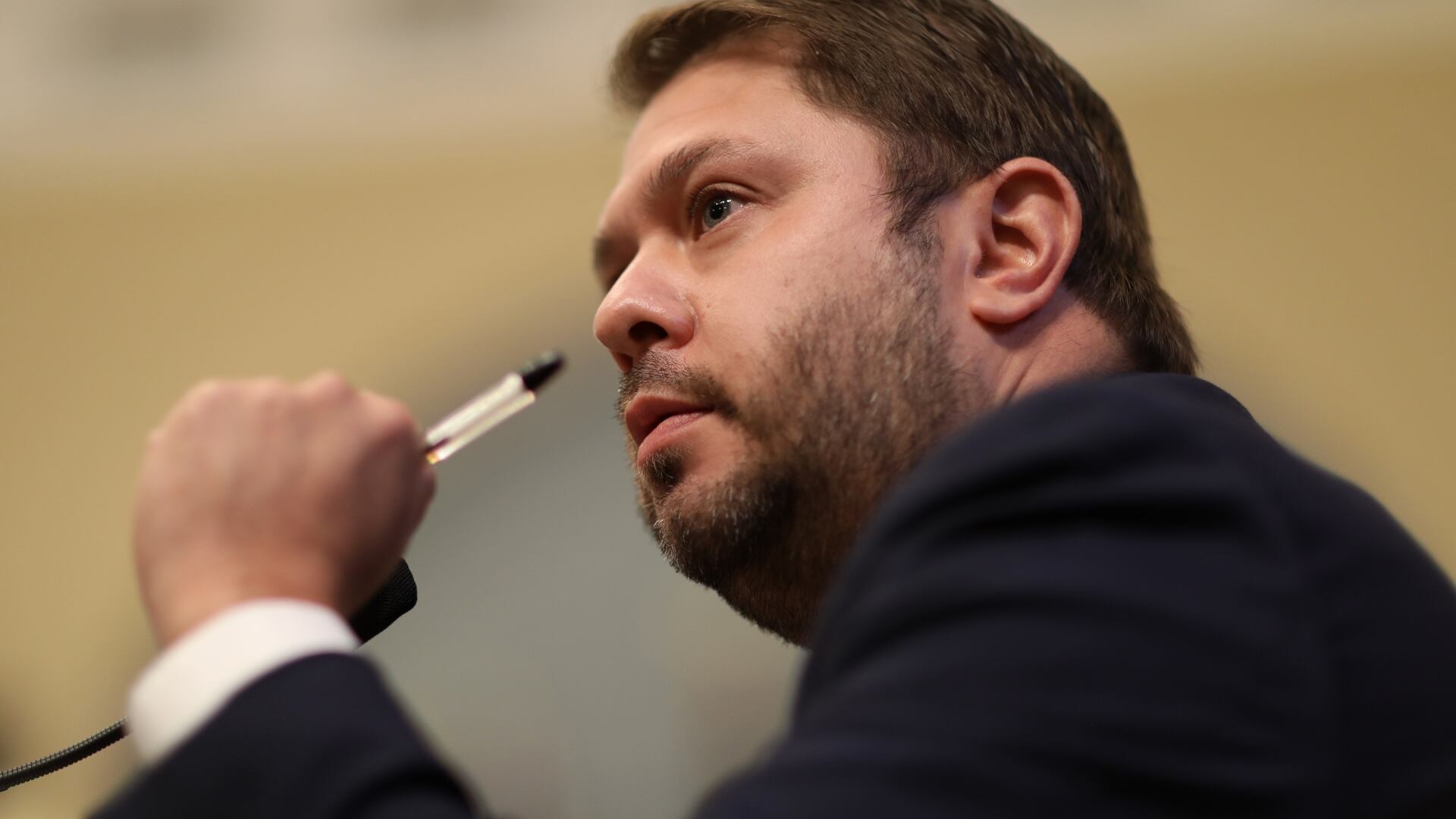
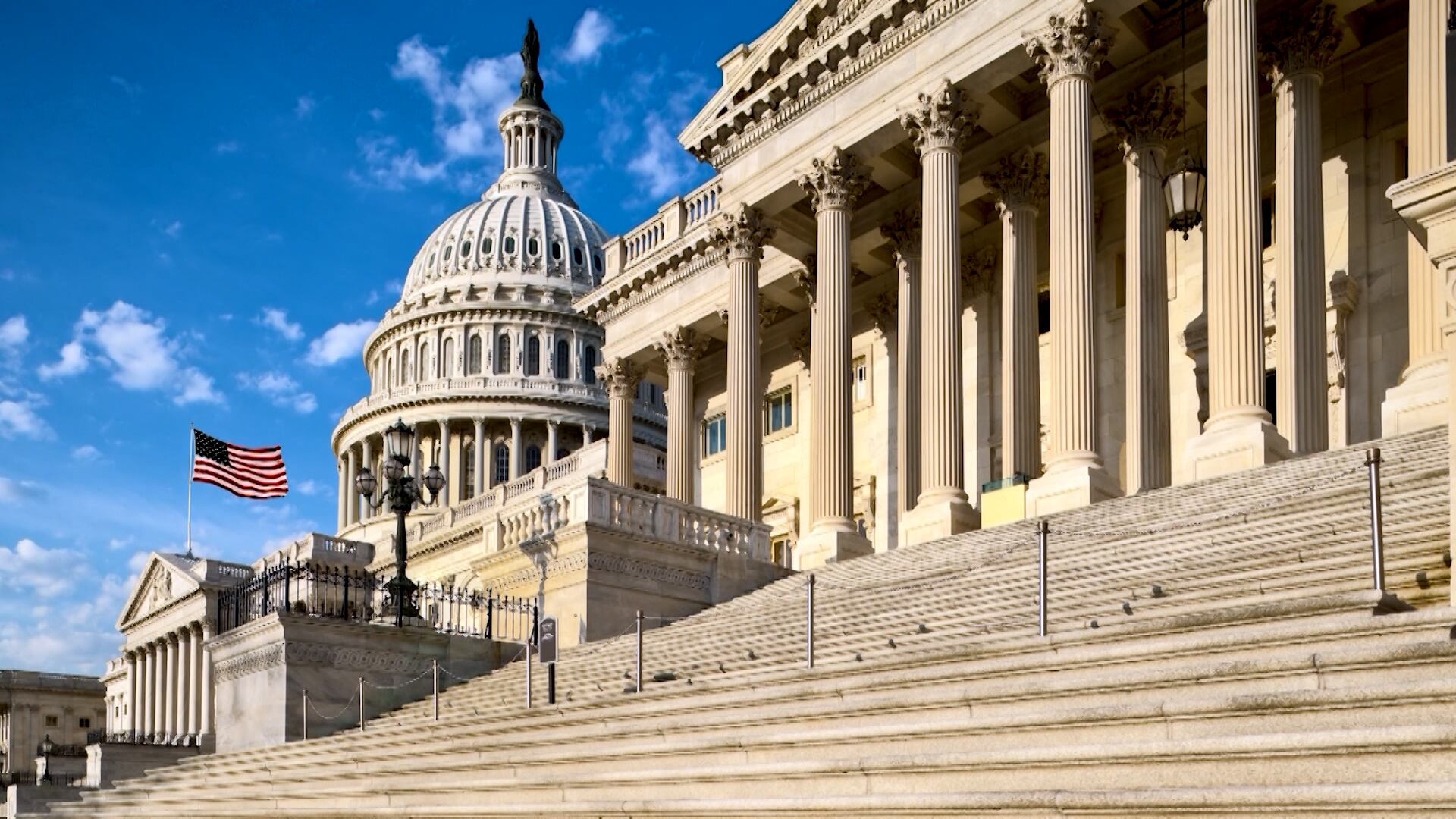
Rep. Ruben Gallego (D - Arizona) joined Cheddar to discuss the passing of President Biden's Infrastructure Bill and his new book, 'They Called us 'Lucky,' about his time serving in the Iraq War.
Markets were pointing mostly lower to end the week as investors reacted to the threat of a Covid resurgence in Europe. Jeff Schulze, Investment Strategist at ClearBridge Investments joined Cheddar's Opening Bell to discuss Friday's pre-market activity.
A federal judge tossed out a lawsuit against financial services platform Robinhood following the meme stock saga that swept the investment world. The judge said it found no wrongdoing on Robinhood's part after the platform halted trading on popular meme stocks Gamestop and AMC.
Jill and Carlo are back to cover the latest in the Rittenhouse trial, new information on the origins of Covid, return-to-office and more.
JOIN US FOR THE YOUTUBE WATCH PARTY @ 9aET: http://www.youtube.com/cheddarnow
The U.S. Justice Department has filed a lawsuit against Uber after it was discovered that disabled people were being disproportionately affected by extra “wait time” fees. Attorney Jonathan Bell joined Cheddar to discuss.
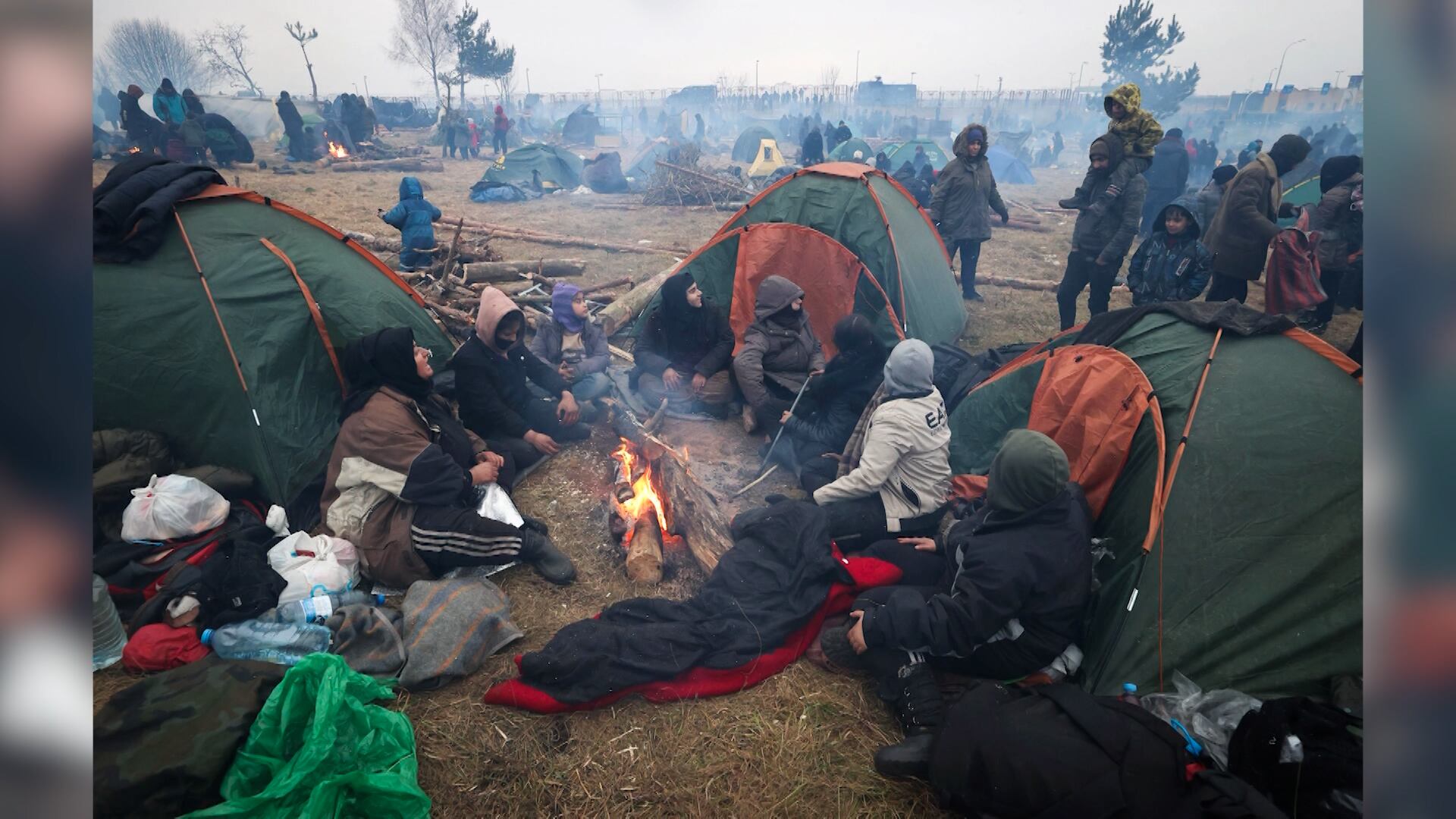
Belarus President Alexander Lukashenko has been accused by the EU of manufacturing a migration crisis along his border with Poland. But, even as tensions appear to be stabilizing at the moment, Ali Noorani, the president and CEO of National Immigration Forum and the host of the "Only in America" podcast spoke to Cheddar about the ongoing danger to the migrants who hail from countries like Iraq and Afghanistan. "What is going to happen to folks who are in Belarus who came from these countries? Is Lukashenko going to provide them asylum and protection in Belarus, or are they going to continue to be political pawns in a geopolitical battle," he said. "Real people's lives are being put at great risk."
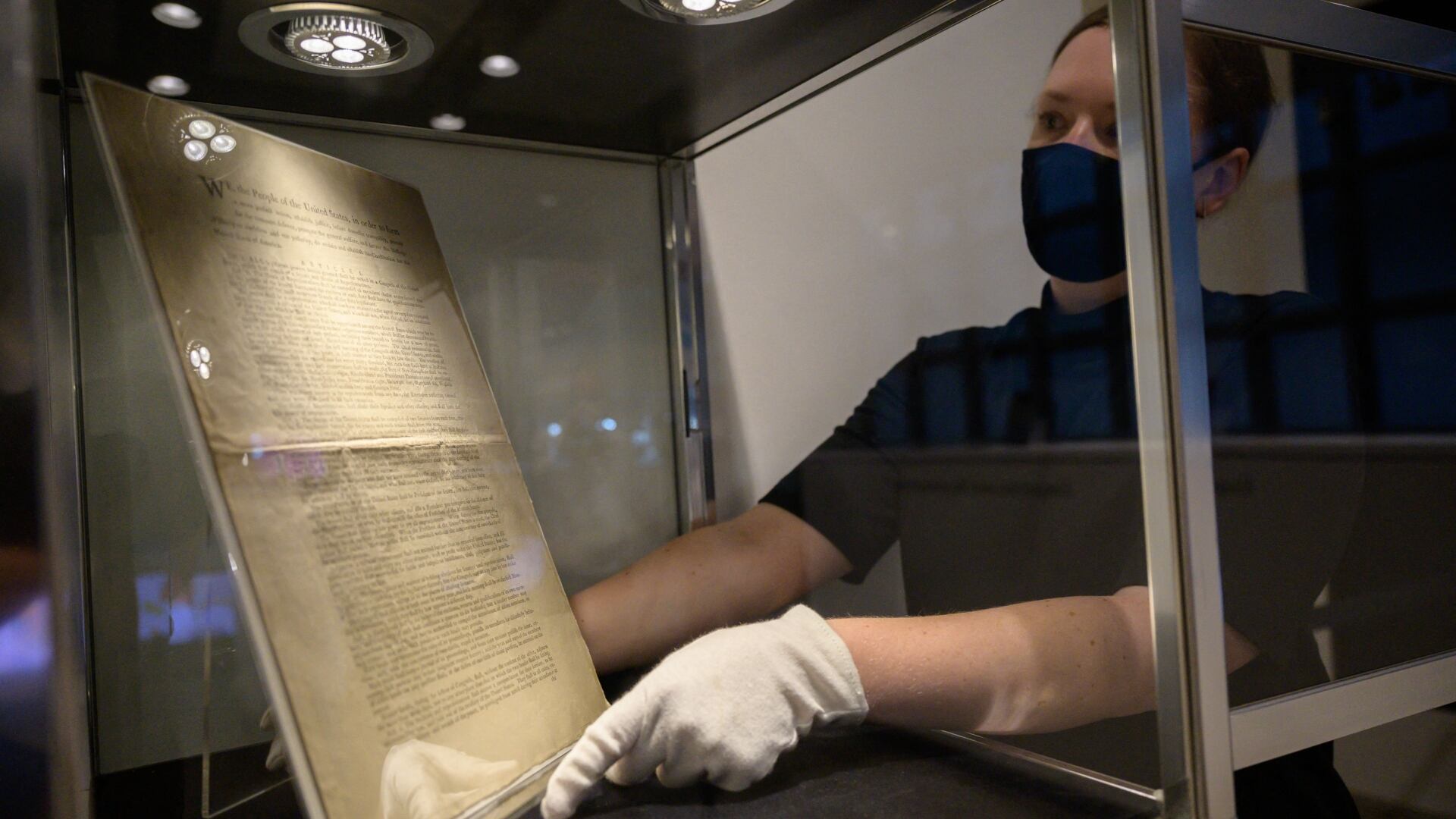
A group of crypto investors has come together to raise millions of dollars in the hopes of owning a rare piece of the U.S. Constitution. According to the crypto group, "Constitution DAO" It is time to put the constitution in the hands of the people. CEO and Founder of Metaversal Yossi Hasson, joined Cheddar to discuss more.
Polarization is among the defining traits of American politics in the 21st century. Sometimes it seems like the only thing we can all agree on is the fact that we don't really agree on anything. But those divisions don't just stop at whether you vote red or blue.
A new survey from the Pew Research Center finds that rather than just two political buckets, we have nine. The "2021 political typology" as it's called distinguishes between different ideological subsets in the Democratic and Republican party. It encompasses everyone from the loudest revolutionary lefties, to the loudest insurrection apologists on the right.
Andrew Daniller, research associate at the Pew Research Center, joins None of the Above to discuss.
Tanya Snyder, transportation reporter at Politico, joins None of the Above with J.D. Durkin to discuss the bipartisan infrastructure law, what it means for the electric vehicle industry and whether Democrats will be able to capitalize on the legislative victory ahead of the 2022 midterms.