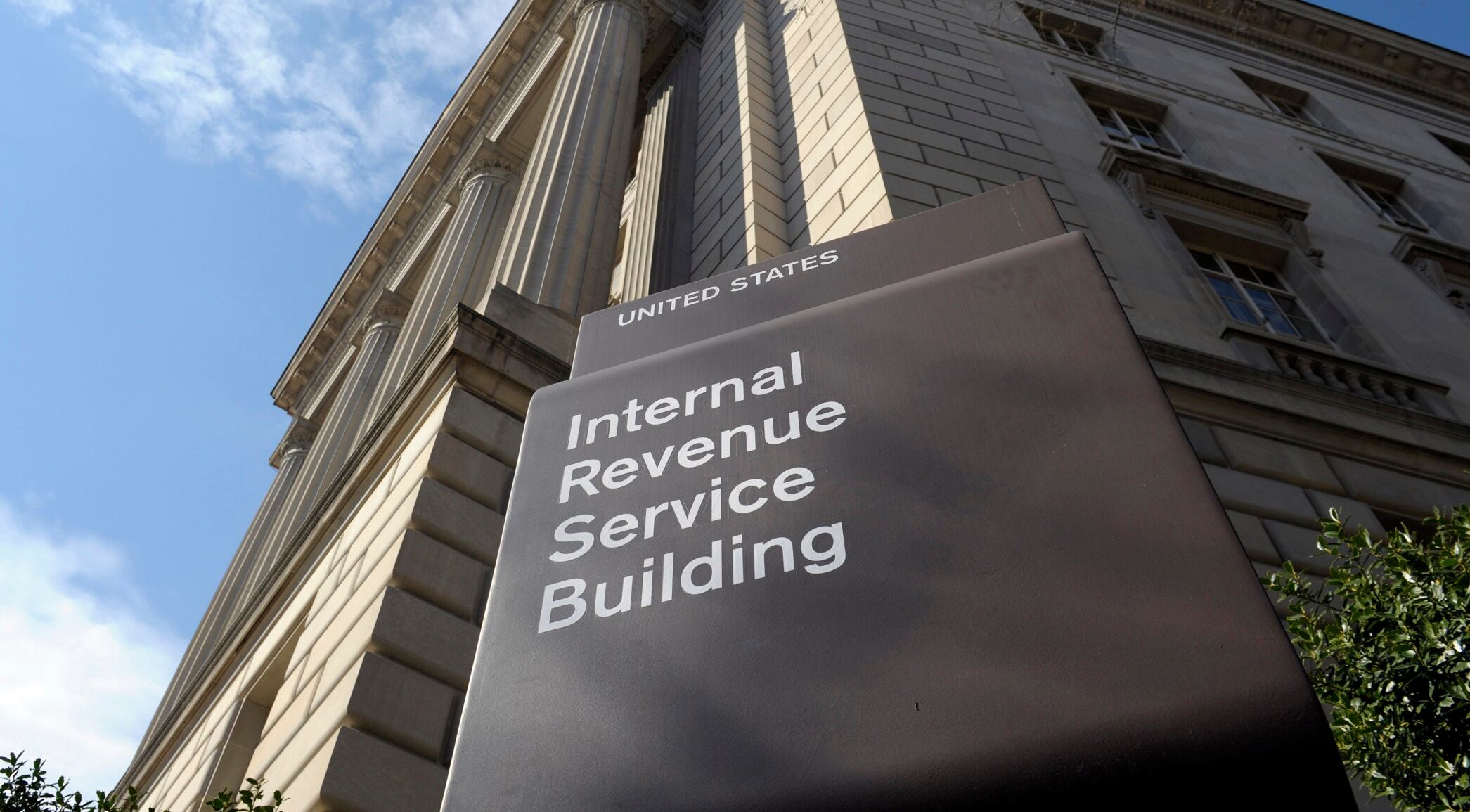
In this photo March 22, 2013, photo, the exterior of the Internal Revenue Service (IRS) building in Washington. The IRS sys it will stop using facial recognition technology to authenticate people who create online accounts after the practice came under criticism from privacy advocates and lawmakers (AP Photo/Susan Walsh, File)
By Fatima Hussein
The IRS said Monday it will suspend the use of facial recognition technology to authenticate people who create online accounts after the practice was criticized by privacy advocates and lawmakers.
The agency said it would no longer use a third-party service, called ID.me, for facial recognition. Critics of the software said the database could become a target for cyberthreats. They also expressed concern about how the information could be used by other government agencies, among other concerns.
Earlier Monday, Senate Finance Committee Chair Ron Wyden, D-Ore., called on the agency to end its use of the ID.me software. After the IRS announced the practice would be suspended, Wyden said "the Treasury Department has made the smart decision to direct the IRS to transition away from using the controversial ID.me verification service.”
"No one should be forced to submit to facial recognition to access critical government services,” he added.
The IRS is currently grappling with a worker shortage and an expanded workload from processing tax filings and administering pandemic-related programs. Legislation that would have given the agency billions of dollars to more expeditiously process returns is stalled.
“The IRS takes taxpayer privacy and security seriously, and we understand the concerns that have been raised,” said IRS Commissioner Chuck Rettig.
“Everyone should feel comfortable with how their personal information is secured, and we are quickly pursuing short-term options that do not involve facial recognition.”
The agency said the transition would occur “over the coming weeks in order to prevent larger disruptions to taxpayers during filing season.”
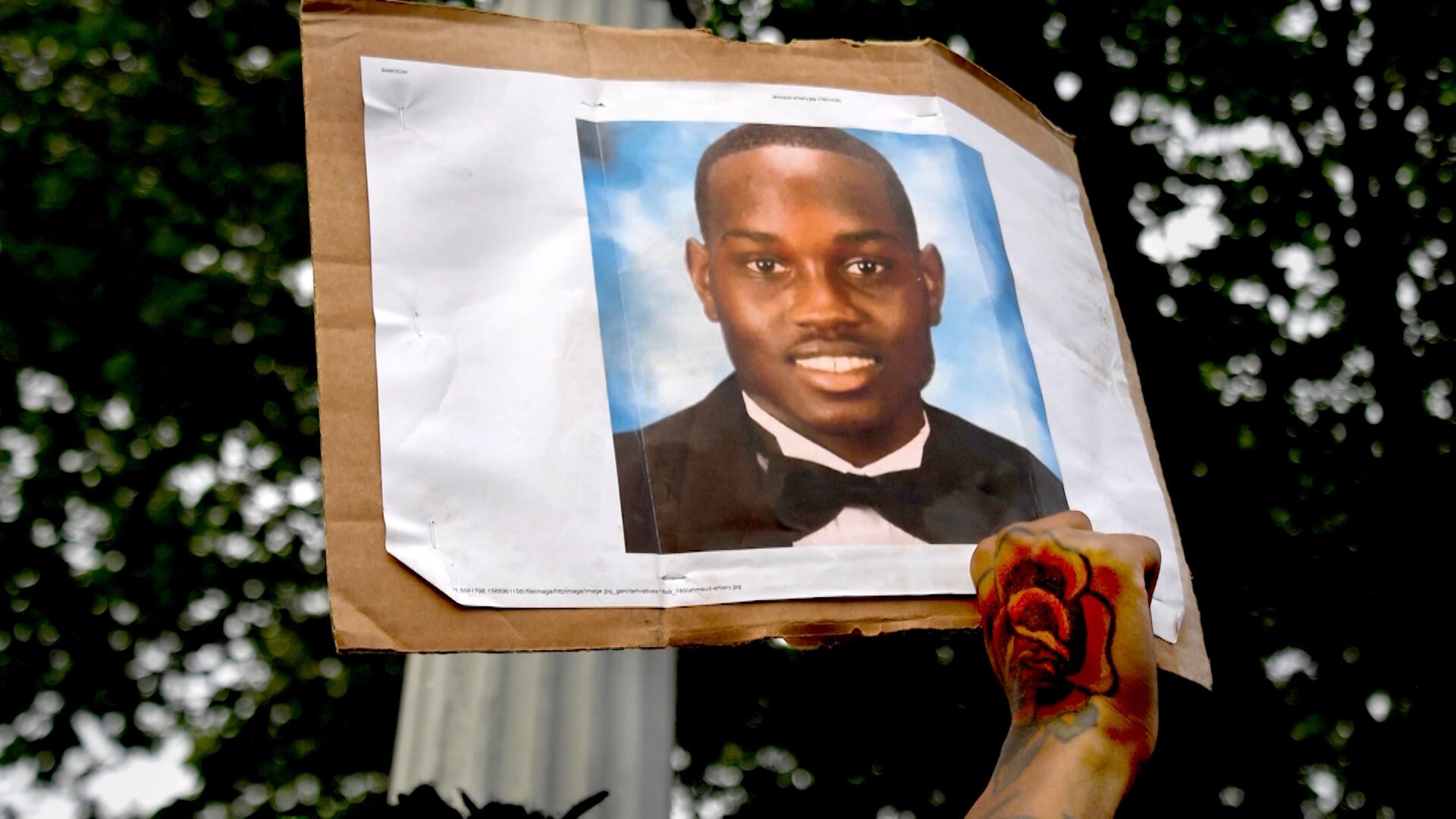
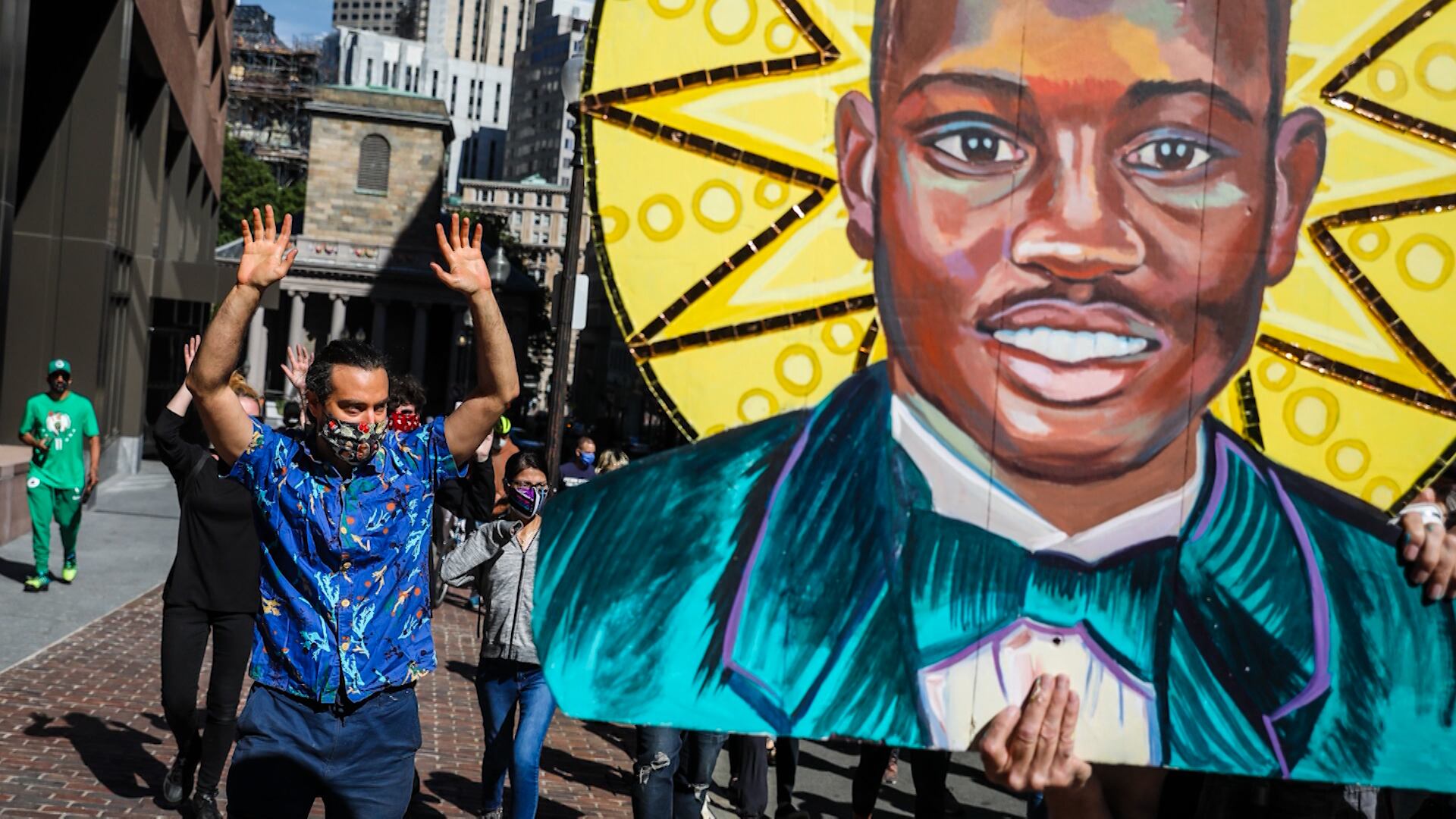
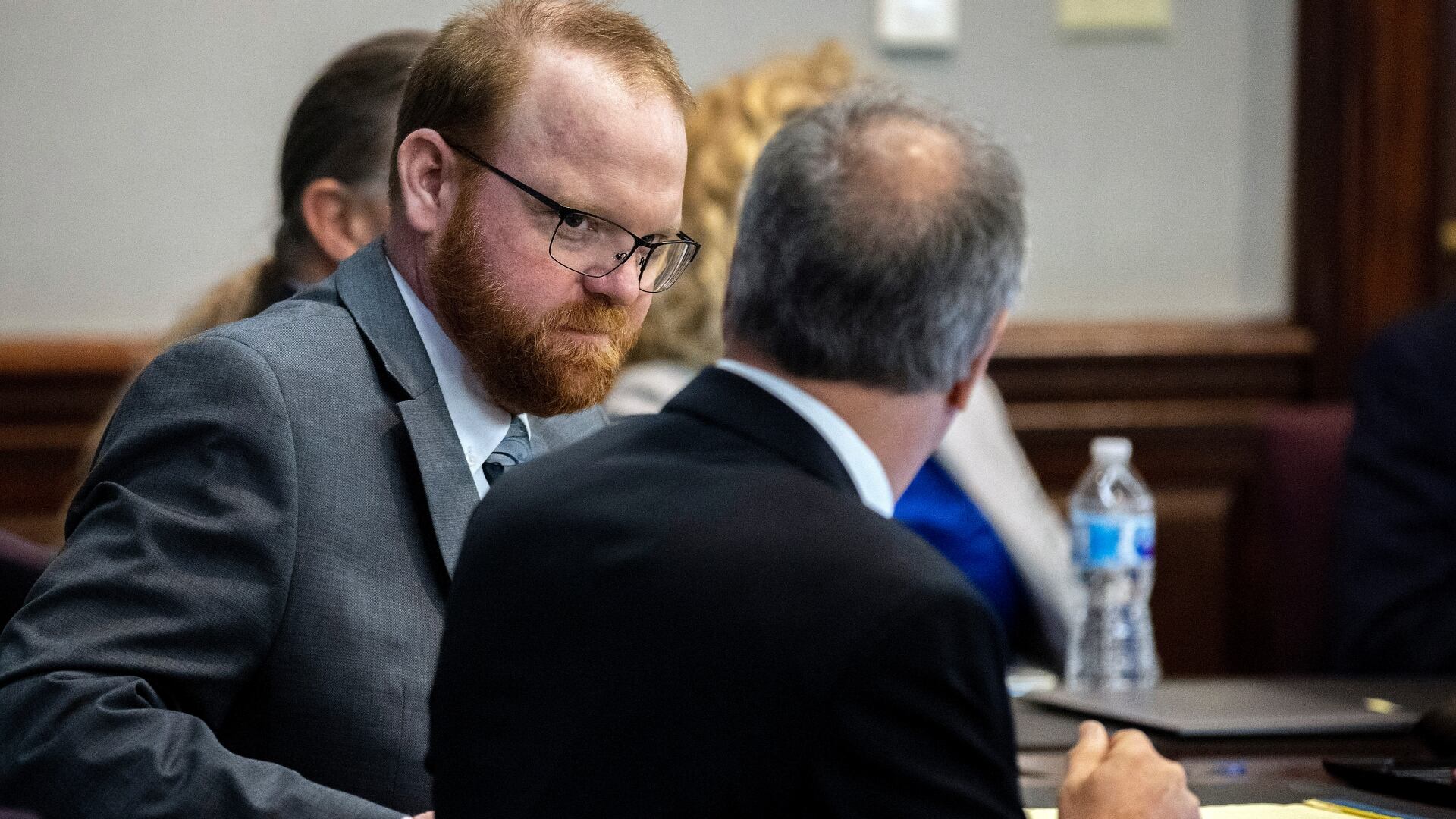
Guilty verdicts have been handed down to the three men charged with killing Ahmaud Arbery. Arbery was out for a jog in February 2020 when Travis McMichael, William "Roddie" Bryan, and Gregory McMichael chased him down and killed him. The judge read the verdicts for each of the three men aloud, starting with the man who pulled the trigger, Travis McMichael. Kirk Burkhalter, professor at New York Law School joins Cheddar News to recap the trial.
All three defendants in the Ahmaud Arbery killing were found guilty today on numerous charges including felony murder. Criminal Defense Attorney Anthony Hall joined Cheddar to discuss.
Carlo and Baker cover the latest developments with the Omicron variant, and break down what we know and what we still don't. Plus, a relatively tame Black Friday, and more.
Jurors on Wednesday convicted the three white men charged in the death of Ahmaud Arbery, the Black man who was chased and fatally shot while running through their Georgia neighborhood in an attack that became part of the larger national reckoning on racial injustice during the summer of 2020. Trial attorney and former prosecutor Leslie Ricard Chambers joins Cheddar News' Closing Bell to discuss the verdict, possible sentencing, and more.
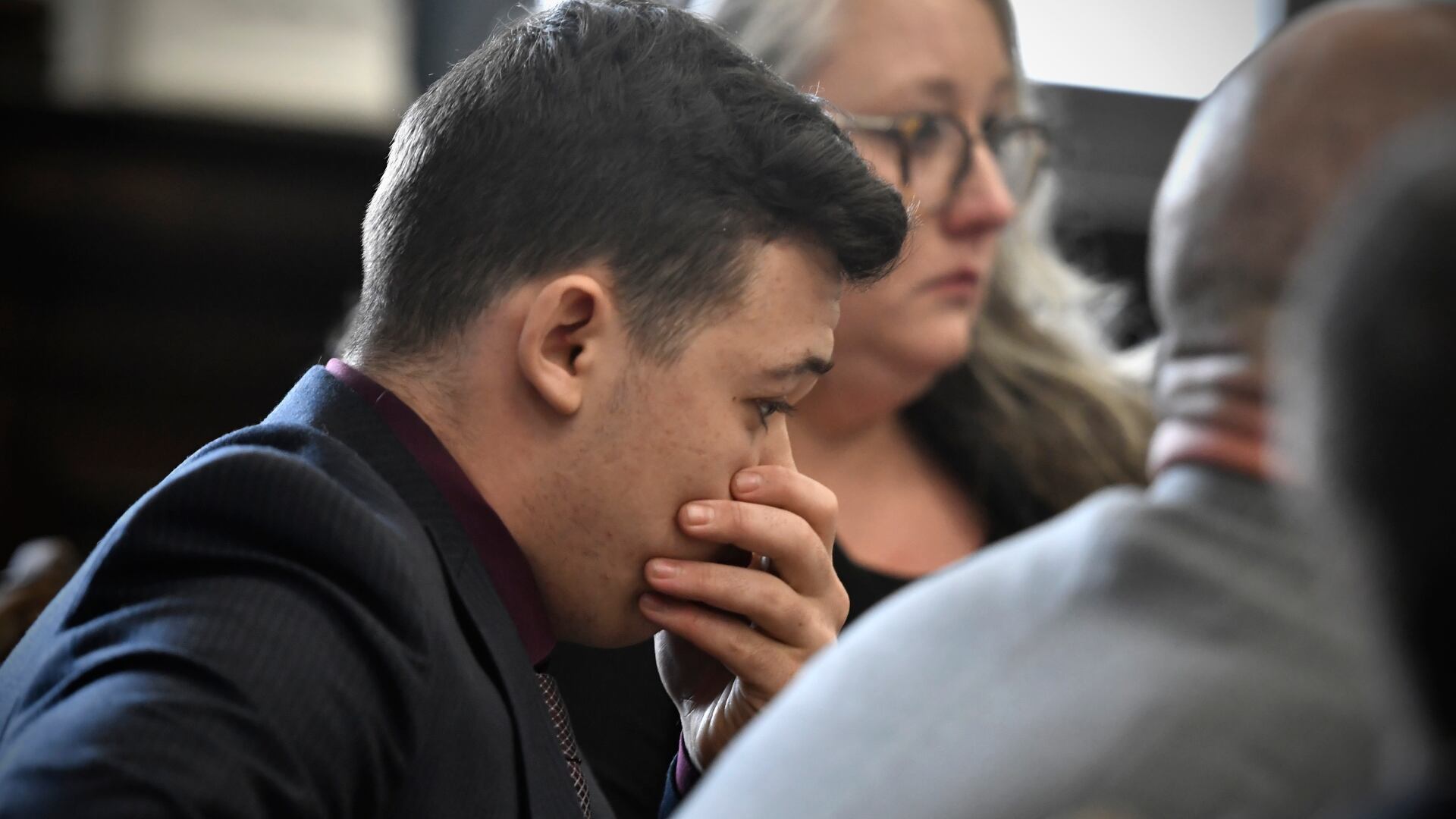
Kyle Rittenhouse was acquitted of all charges Friday after pleading self-defense in the deadly Kenosha shootings that became a flashpoint in the debate over guns, vigilantism and racial injustice in the U.S. Criminal Defense Attorney Anthony Tall joins Cheddar News' Closing Bell to discuss the verdict, potential judicial precedent, and more.
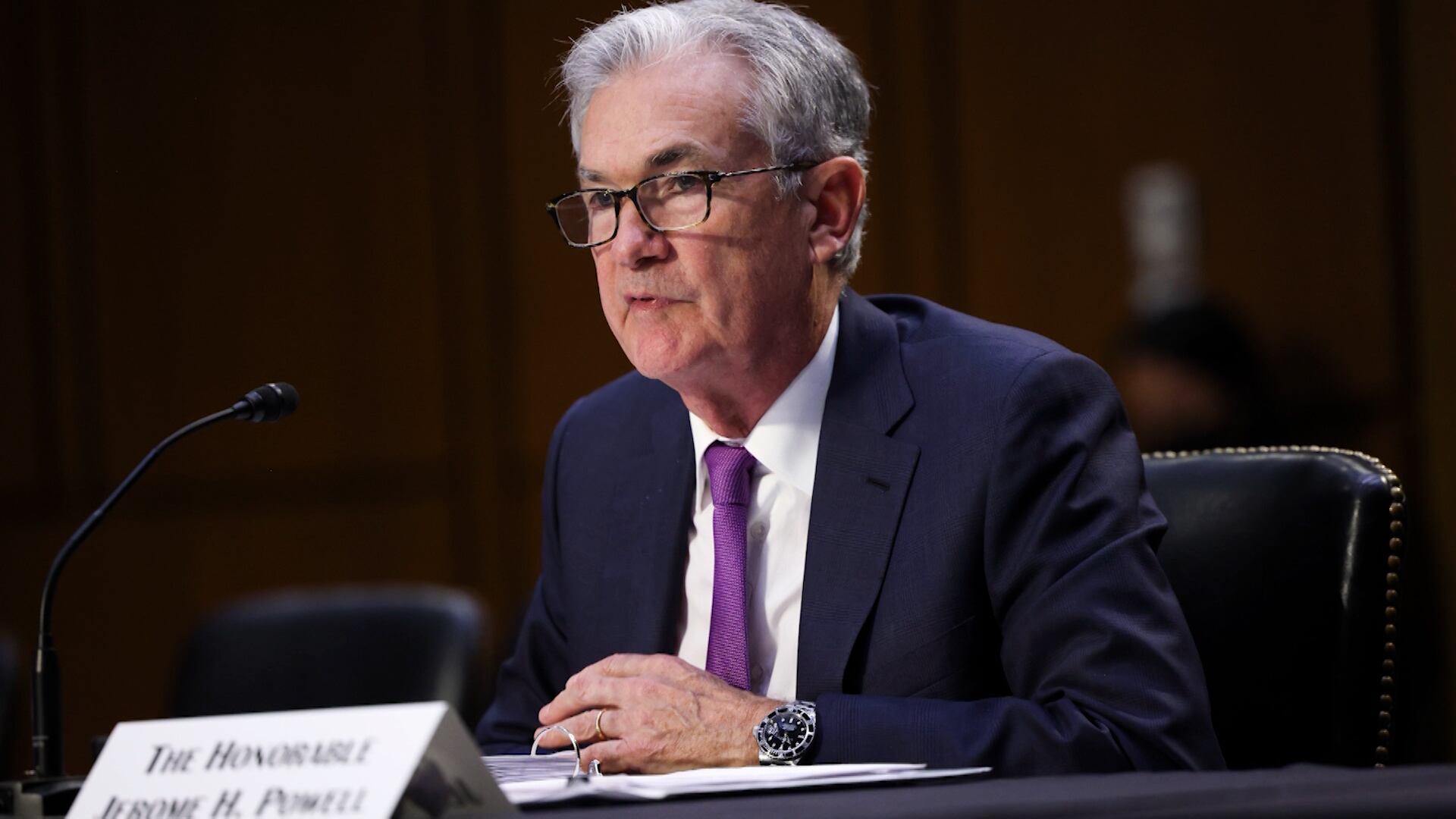
President Biden has announced his intent to nominate Fed chair Jerome Powell for another four-year term, with Lael Brainard serving as vice chair. This comes at a crucial time for the economy as inflation is surging, the supply chain is broken, and labor shortages are hampering businesses across the country. Sabrina Escobar, reporter for Barron's, discusses why Biden passed up the opportunity to put the central bank in the hands of a Democrat, and what challenges Powell faces in his second term.
Jill and Carlo are a bit delayed today on account of Carlo's internet not working. Better late than never, they discuss what we know about the suspect in the Christmas parade crash, closing arguments in the Arbery killing trial, and more.