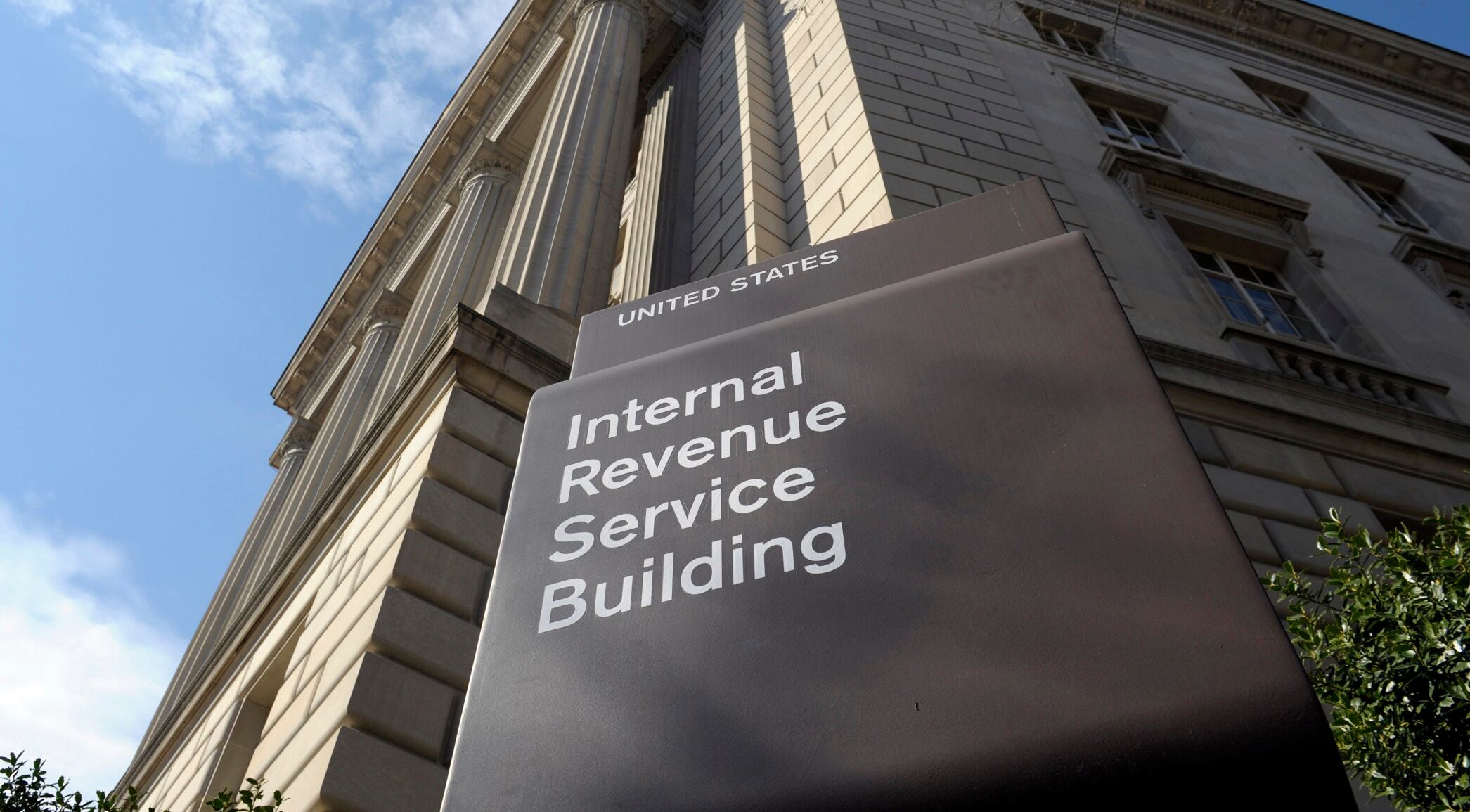
In this photo March 22, 2013, photo, the exterior of the Internal Revenue Service (IRS) building in Washington. The IRS sys it will stop using facial recognition technology to authenticate people who create online accounts after the practice came under criticism from privacy advocates and lawmakers (AP Photo/Susan Walsh, File)
By Fatima Hussein
The IRS said Monday it will suspend the use of facial recognition technology to authenticate people who create online accounts after the practice was criticized by privacy advocates and lawmakers.
The agency said it would no longer use a third-party service, called ID.me, for facial recognition. Critics of the software said the database could become a target for cyberthreats. They also expressed concern about how the information could be used by other government agencies, among other concerns.
Earlier Monday, Senate Finance Committee Chair Ron Wyden, D-Ore., called on the agency to end its use of the ID.me software. After the IRS announced the practice would be suspended, Wyden said "the Treasury Department has made the smart decision to direct the IRS to transition away from using the controversial ID.me verification service.”
"No one should be forced to submit to facial recognition to access critical government services,” he added.
The IRS is currently grappling with a worker shortage and an expanded workload from processing tax filings and administering pandemic-related programs. Legislation that would have given the agency billions of dollars to more expeditiously process returns is stalled.
“The IRS takes taxpayer privacy and security seriously, and we understand the concerns that have been raised,” said IRS Commissioner Chuck Rettig.
“Everyone should feel comfortable with how their personal information is secured, and we are quickly pursuing short-term options that do not involve facial recognition.”
The agency said the transition would occur “over the coming weeks in order to prevent larger disruptions to taxpayers during filing season.”
The Biden administration will not send an official U.S. delegation to the 2022 Winter Olympics in Beijing as a statement against China's "ongoing genocide and crimes against humanity in Xinjiang." Weifeng Zhong, senior research fellow at George Mason University's Mercatus Center, joins Cheddar News to discuss the boycott.
Back in 2010, several large companies pledged to work towards stopping deforestation by 2020. Companies like Nestle and Carrefour even went further to say that they would eliminate deforestation from their supply chains altogether. However, fast forward to 2020, many of these companies have failed to reach that goal. Associate Director of Forest at the CDP Nadia Bishai, joined Cheddar to discuss more.
Instagram Chief Executive Adam Mosseri is set to testify before Congress for the first time. Mosseri’s appearance follows reports that showed Facebook and Instagram are aware of the harms their apps and services cause, including to teen mental health. Nicole Gill, co-founder and executive director of Accountable Tech joins Cheddar News to preview the hearing.
Chamber of Progress CEO Adam Kovacevich joined Wake Up With Cheddar to break down what to expect from the cryptocurrency executives appearing on Capitol Hill and how it could impact future crypto regulation. "I think what most people want to see from regulation is essentially channeling the good and the potential and putting in place guardrails to minimize the bad," he said.
Markets opened higher as investors shrugged off weaker-than-expected job growth and Omicron fears. George Seay, CEO, Annandale Capital joined Cheddar's Opening Bell to discuss.
Less than six months after making its public debut on the NYSE, Chinese ride-hailing giant Didi says it will delist in the U.S. and pivot to Hong Kong instead. Chinese regulators are citing cybersecurity and data concerns. Shehzad Qazi, Managing Director, China Beige Book International joined Cheddar's Opening Bell to discuss.
While the World Health Organization strongly advises against a COVID-19 vaccine mandate, national and local governments are moving to make inoculations compulsory. Cheddar News speaks with Dr. Joel Zinberg of the Competitive Enterprise Institute on the issue.