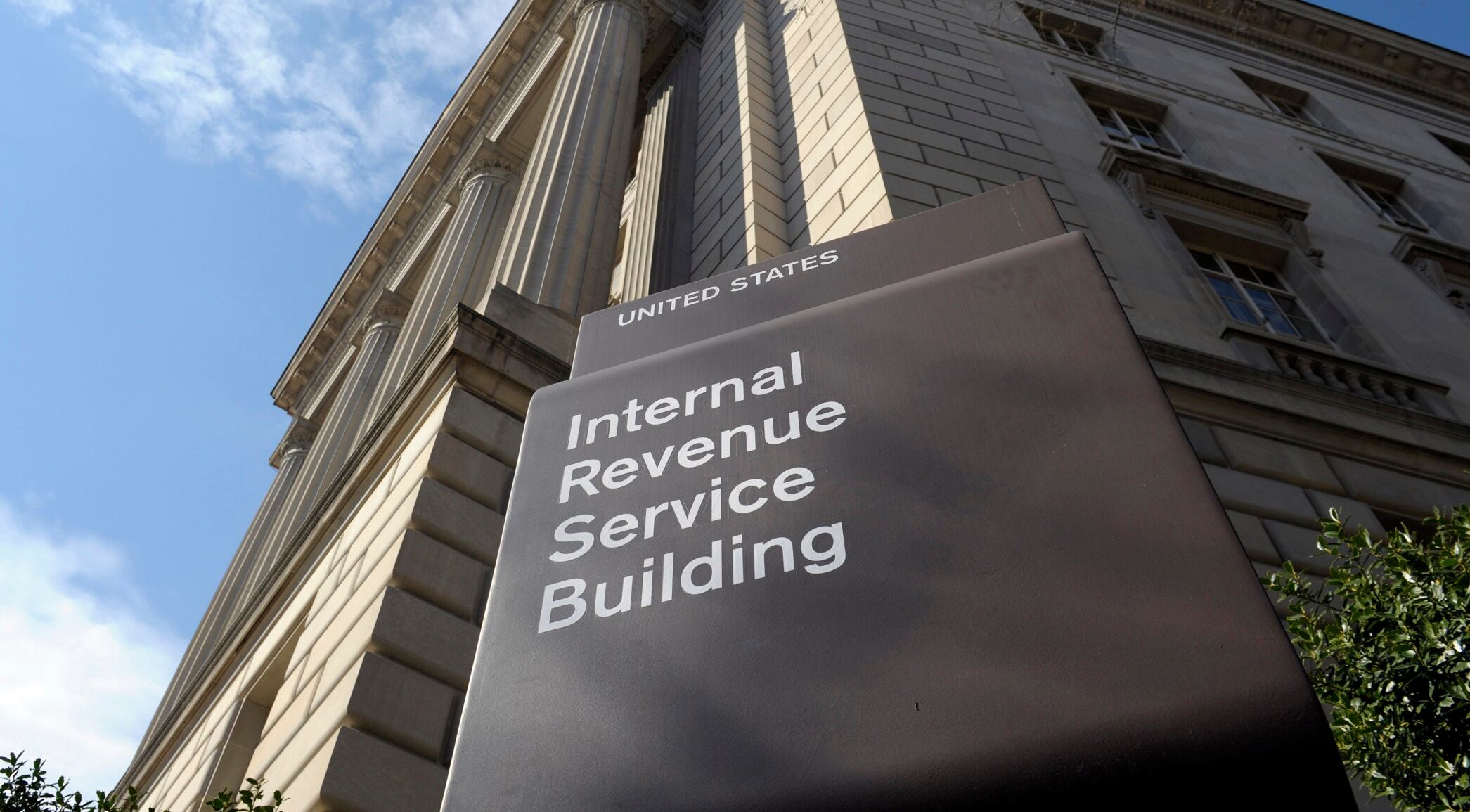
In this photo March 22, 2013, photo, the exterior of the Internal Revenue Service (IRS) building in Washington. The IRS sys it will stop using facial recognition technology to authenticate people who create online accounts after the practice came under criticism from privacy advocates and lawmakers (AP Photo/Susan Walsh, File)
By Fatima Hussein
The IRS said Monday it will suspend the use of facial recognition technology to authenticate people who create online accounts after the practice was criticized by privacy advocates and lawmakers.
The agency said it would no longer use a third-party service, called ID.me, for facial recognition. Critics of the software said the database could become a target for cyberthreats. They also expressed concern about how the information could be used by other government agencies, among other concerns.
Earlier Monday, Senate Finance Committee Chair Ron Wyden, D-Ore., called on the agency to end its use of the ID.me software. After the IRS announced the practice would be suspended, Wyden said "the Treasury Department has made the smart decision to direct the IRS to transition away from using the controversial ID.me verification service.”
"No one should be forced to submit to facial recognition to access critical government services,” he added.
The IRS is currently grappling with a worker shortage and an expanded workload from processing tax filings and administering pandemic-related programs. Legislation that would have given the agency billions of dollars to more expeditiously process returns is stalled.
“The IRS takes taxpayer privacy and security seriously, and we understand the concerns that have been raised,” said IRS Commissioner Chuck Rettig.
“Everyone should feel comfortable with how their personal information is secured, and we are quickly pursuing short-term options that do not involve facial recognition.”
The agency said the transition would occur “over the coming weeks in order to prevent larger disruptions to taxpayers during filing season.”
John Quelch, Dean of Miami Herbert Business School, joins Cheddar News' Closing Bell, where he says the retail giant is acting in accordance to President Biden's new law banning goods from China's Xinjiang region. Quelch also elaborates on the importance of China in Walmart's overall strategy.
Cheddar's Chloe Aiello has our cannabis year-in-review, breaking down how several states legalized adult recreational use and greenlit medicinal use in 2021. She noted that while a cannabis legalization and decriminalization bill was introduced in Congress this year, potential FDA involvement in the industry, as well as a 25 percent excise tax, killed any chance the bill had of moving forward. Aiello also speculated that some form of cannabis reform could be rolled out in 2022, as the midterm elections draw closer.
Jim Worden, Chief Investment Officer at Wealth Consulting Group, joins Cheddar News' Closing Bell, where he says the period between Christmas and New Year's is difficult to predict due to a lack of institutional volume, with the Omicron variant adding even more uncertainty on Wall Street.
Prices at the pump this year reached a seven-year high, and a new forecast from GasBuddy shared with CNN predicts that gas prices will only continue to rise in 2022 and that the national average could even reach $4.00 a gallon; however, analysts at GasBuddy say anything could happen when it comes to gas prices in the future, as the pandemic has made it difficult to make any predictions about the economy. Consumer Energy Alliance federal policy advisor Michael Zehr joins Cheddar News' Closing Bell to discuss.