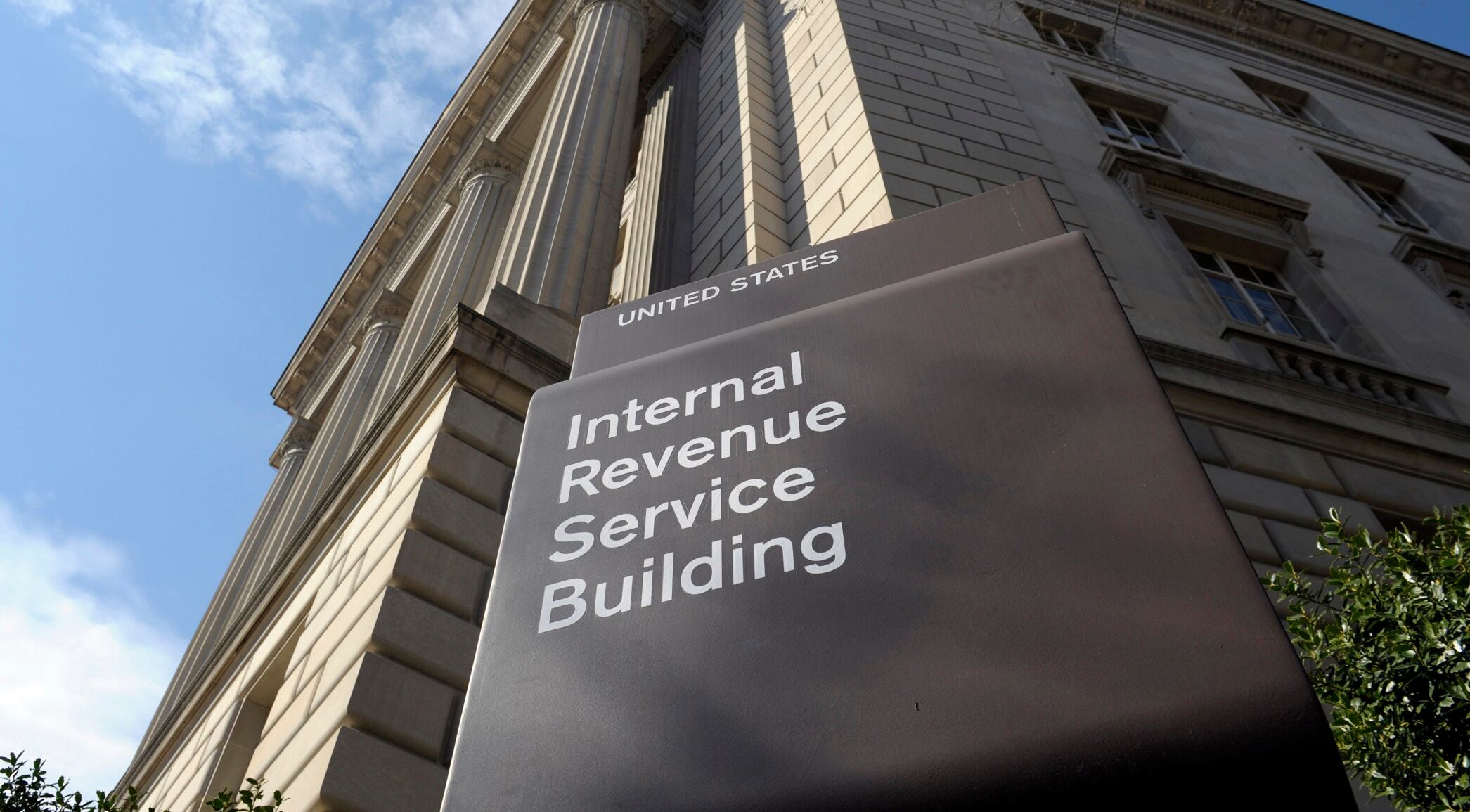
In this photo March 22, 2013, photo, the exterior of the Internal Revenue Service (IRS) building in Washington. The IRS sys it will stop using facial recognition technology to authenticate people who create online accounts after the practice came under criticism from privacy advocates and lawmakers (AP Photo/Susan Walsh, File)
By Fatima Hussein
The IRS said Monday it will suspend the use of facial recognition technology to authenticate people who create online accounts after the practice was criticized by privacy advocates and lawmakers.
The agency said it would no longer use a third-party service, called ID.me, for facial recognition. Critics of the software said the database could become a target for cyberthreats. They also expressed concern about how the information could be used by other government agencies, among other concerns.
Earlier Monday, Senate Finance Committee Chair Ron Wyden, D-Ore., called on the agency to end its use of the ID.me software. After the IRS announced the practice would be suspended, Wyden said "the Treasury Department has made the smart decision to direct the IRS to transition away from using the controversial ID.me verification service.”
"No one should be forced to submit to facial recognition to access critical government services,” he added.
The IRS is currently grappling with a worker shortage and an expanded workload from processing tax filings and administering pandemic-related programs. Legislation that would have given the agency billions of dollars to more expeditiously process returns is stalled.
“The IRS takes taxpayer privacy and security seriously, and we understand the concerns that have been raised,” said IRS Commissioner Chuck Rettig.
“Everyone should feel comfortable with how their personal information is secured, and we are quickly pursuing short-term options that do not involve facial recognition.”
The agency said the transition would occur “over the coming weeks in order to prevent larger disruptions to taxpayers during filing season.”
2021 saw markets continue to be impacted by the onslaught of the coronavirus pandemic -most recently in the form of the Omicron variant- in addition to the global supply chain shortage, and increased inflation. But it wasn't all bad news, as crypto soared throughout the year, and meme stocks continued to have a moment. With the year coming to a close, investors are keeping an eye out to see if they should expect more of the same in the new year. Chris Vecchio, Senior Analyst, at DailyFX tells us what market trends to be on the watch for in 2022.
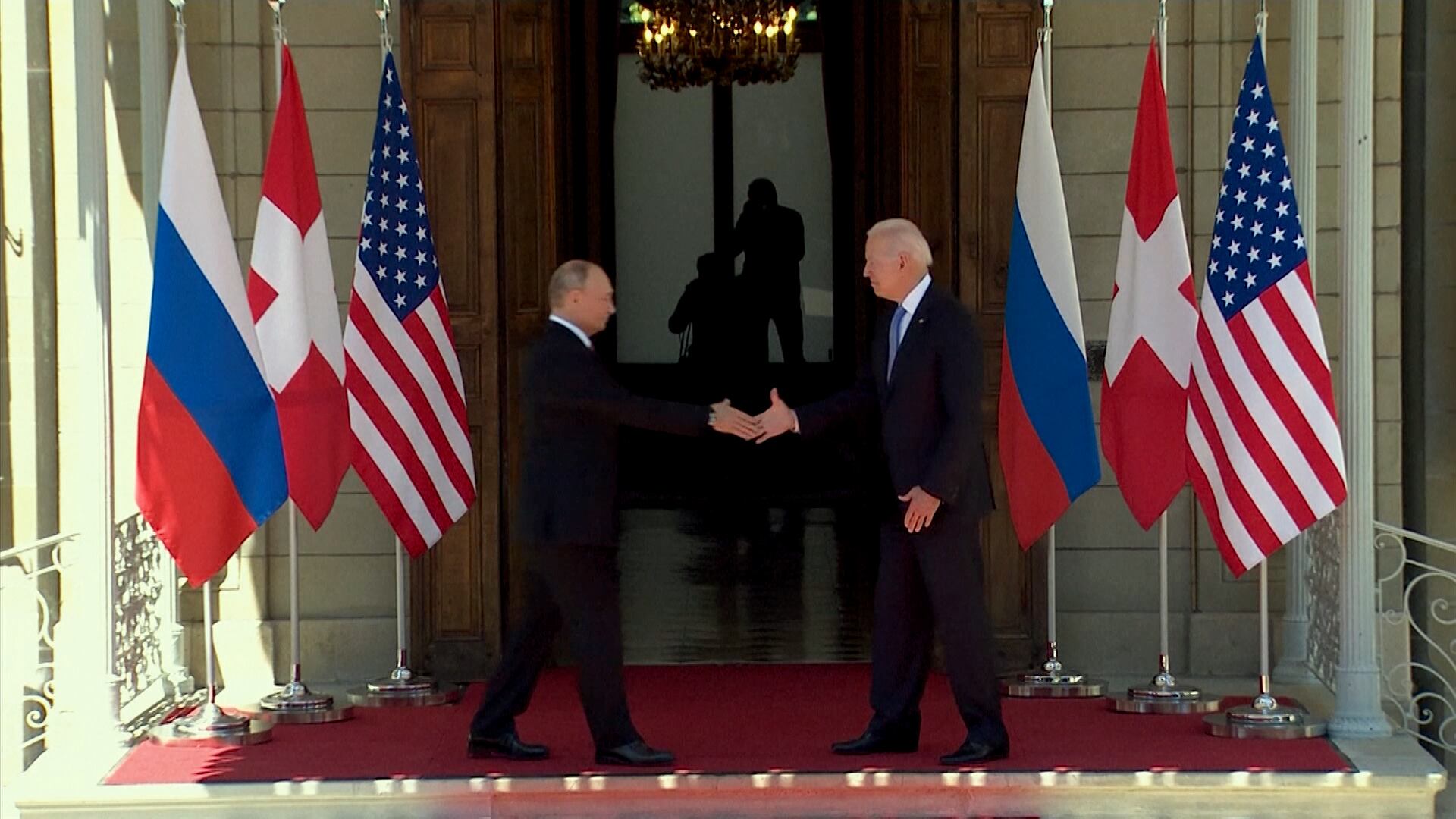
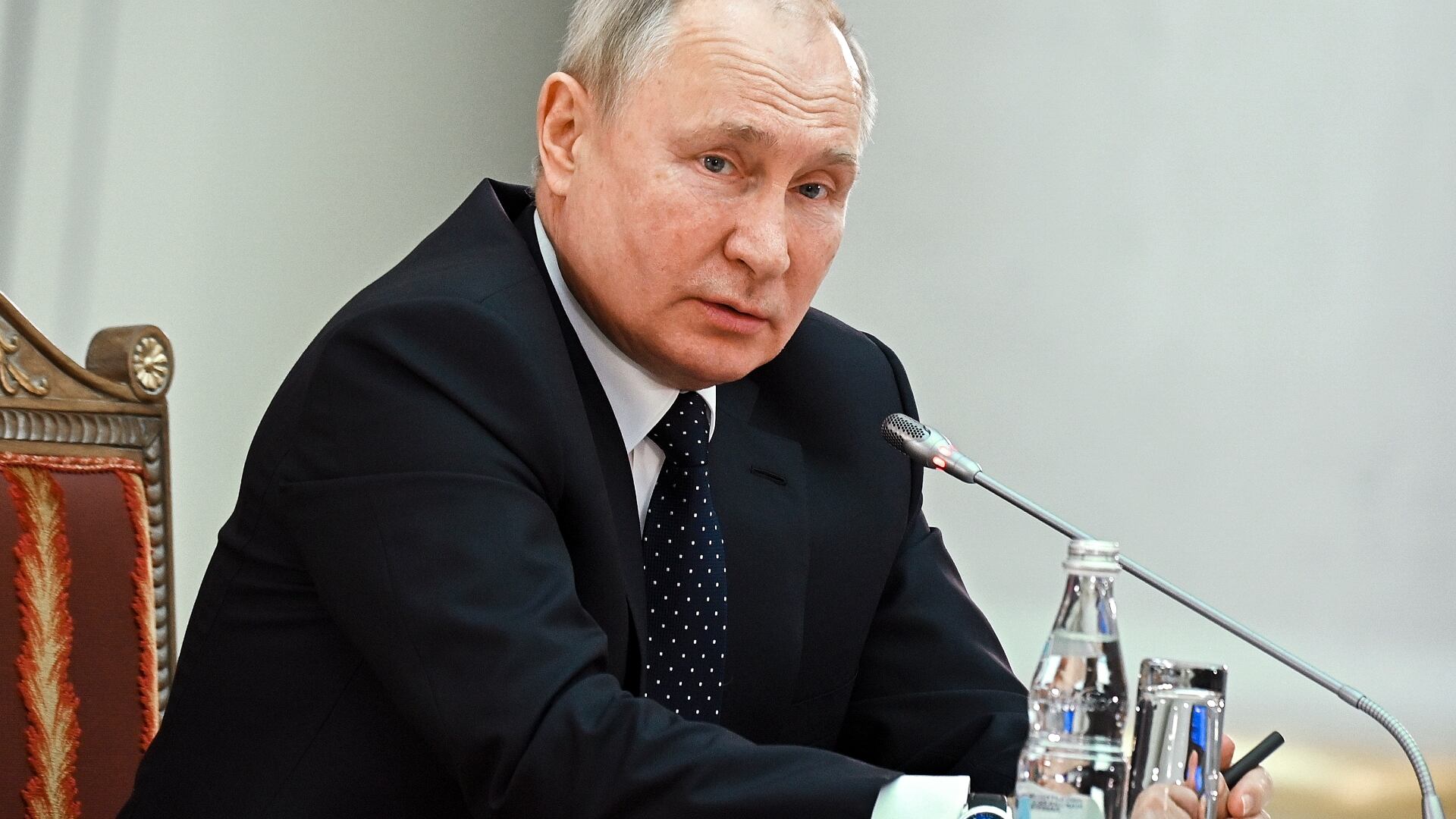
Matt Hayden, vice president of govtech solutions at Exiger and a former assistant secretary of cyber at Department of Homeland Security, joined Cheddar to discuss the surprise phone call initiated by Russian President Vladimir Putin to President Joe Biden, ahead of January security talks about the rising tensions over Ukraine. "We're hoping to hear that we're able to talk about the aggression and the leadup of the Ukrainian militarization," Hayden said. "But we're also looking to hear is how the Kremlin leveraged their talking points to try to test their negotiation stance with the United States leading into this January 10th meeting."
The No Surprises Act begins implementation on January 1, 2022. The legislation is meant to curb the practice of unexpected billing for care from providers the patient was unaware were out-of-network from their insurance. Patricia Kelmar, director of health care campaigns for U.S. PIRG joined Cheddar to describe the hundreds, sometimes thousands, of dollars charged to unsuspecting patients and how things will change under the new law. "If we are picking an in-network doctor and an in-network hospital, we should not see those added costs from anesthesiologists, radiologists, scrub-in surgeons," she said. "The other area it protects you is in air ambulances — not ground ambulances, unfortunately — but the helicopters or the airplanes you might need to transport you in an emergency situation."
President Joe Biden and Russian President Vladmir Putin are expected to have another conversation surrounding escalating tensions between Russia and Ukraine. Ariel Cohen, senior fellow at the Atlantic Council, joined Cheddar's Ken Buffa to discuss the ongoing tensions and why Putin's request for a conversation with Biden comes now. "This is very serious. This is the worst security crisis we had since the collapse of the Soviet Union," Cohen told Cheddar.
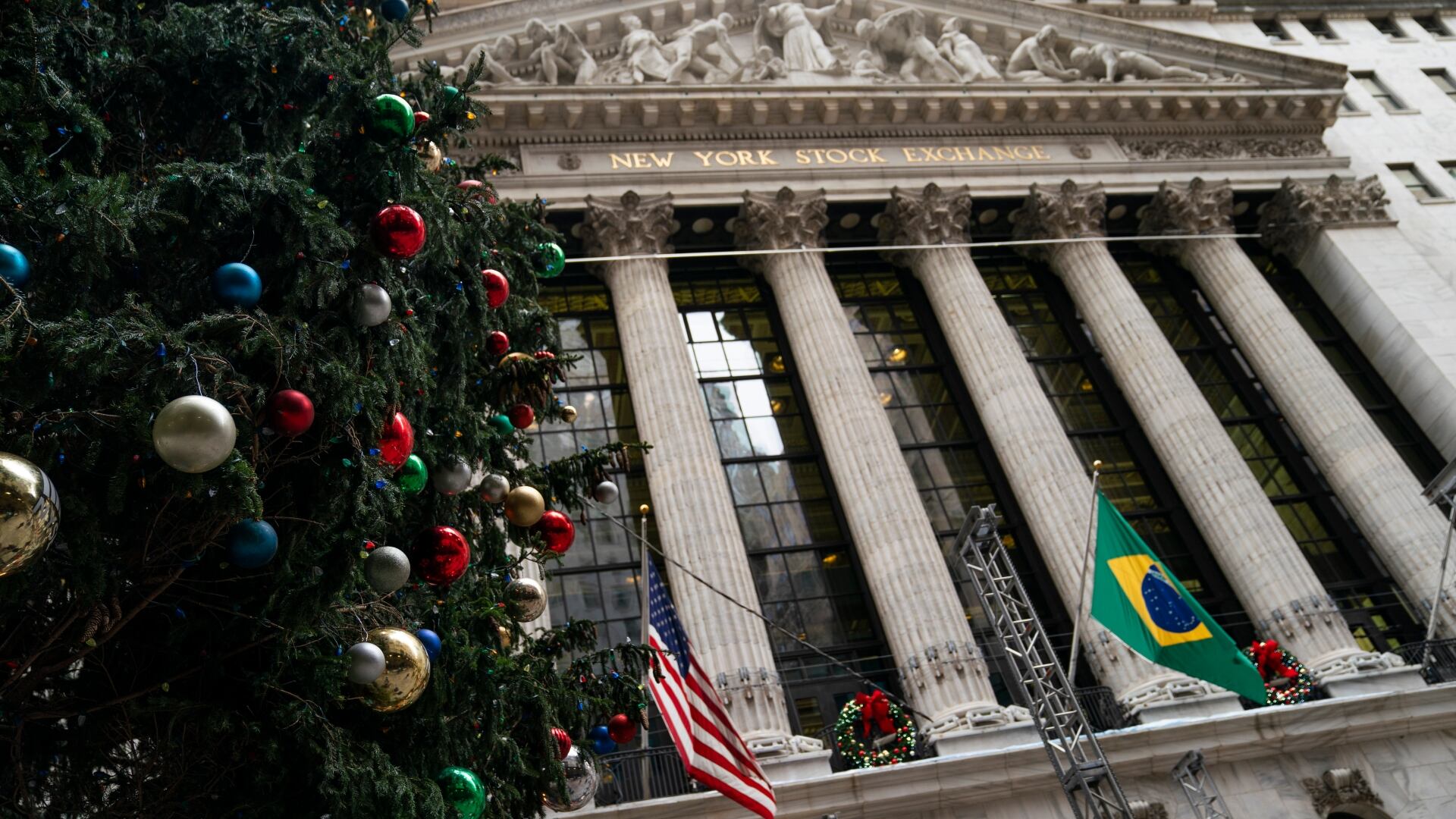
Stocks closed mixed on Wednesday, but two indexes - the Dow and the S&P 500 - ended the session with a new record. Akshata Bailkeri, Equity Analyst at Bruderman Asset Management, joins Cheddar News' Closing Bell, where she says there is a consensus for robust consumer spreading in 2022, especially as the Omicron variant is proving to be milder than other COVID-19 strains.