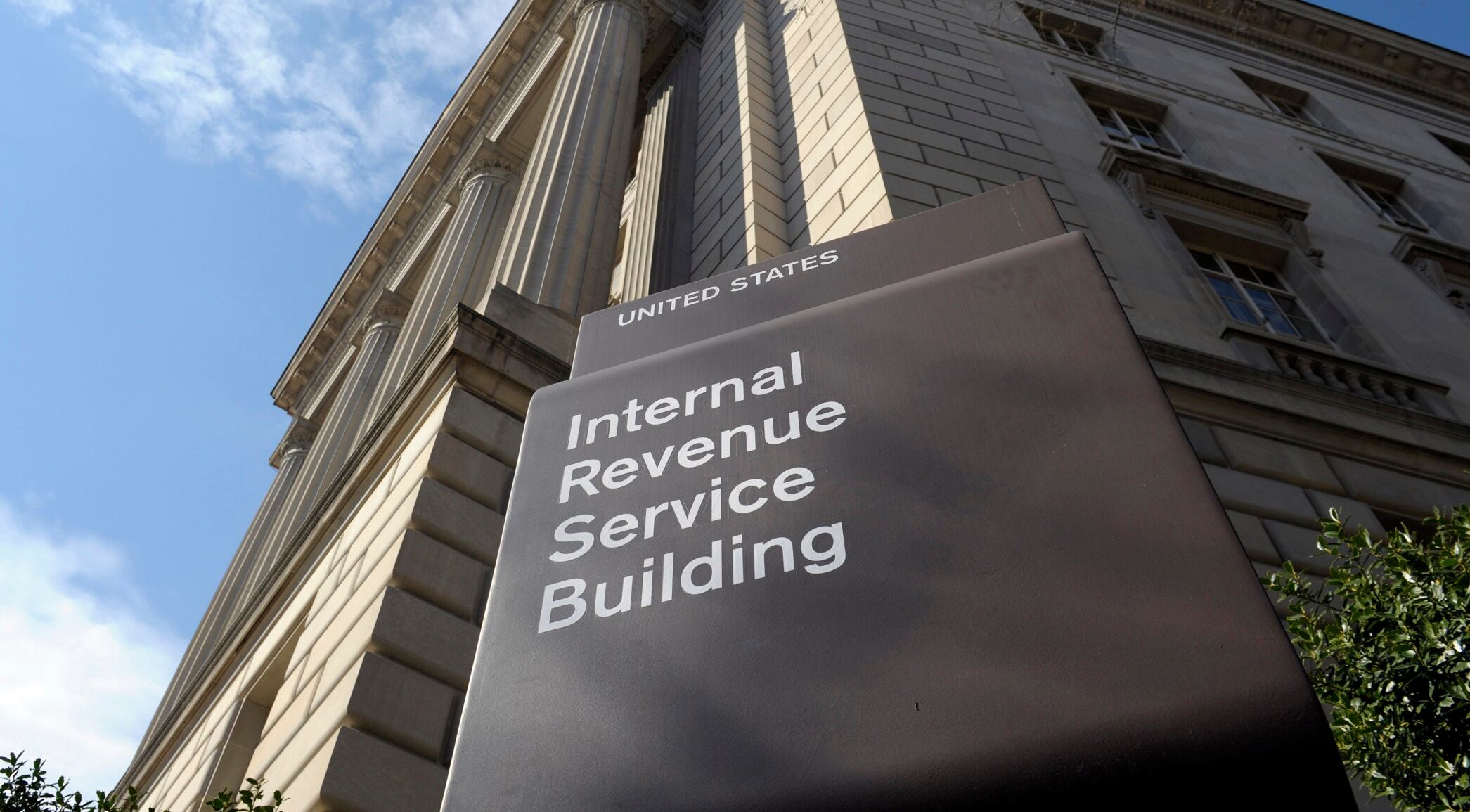
In this photo March 22, 2013, photo, the exterior of the Internal Revenue Service (IRS) building in Washington. The IRS sys it will stop using facial recognition technology to authenticate people who create online accounts after the practice came under criticism from privacy advocates and lawmakers (AP Photo/Susan Walsh, File)
By Fatima Hussein
The IRS said Monday it will suspend the use of facial recognition technology to authenticate people who create online accounts after the practice was criticized by privacy advocates and lawmakers.
The agency said it would no longer use a third-party service, called ID.me, for facial recognition. Critics of the software said the database could become a target for cyberthreats. They also expressed concern about how the information could be used by other government agencies, among other concerns.
Earlier Monday, Senate Finance Committee Chair Ron Wyden, D-Ore., called on the agency to end its use of the ID.me software. After the IRS announced the practice would be suspended, Wyden said "the Treasury Department has made the smart decision to direct the IRS to transition away from using the controversial ID.me verification service.”
"No one should be forced to submit to facial recognition to access critical government services,” he added.
The IRS is currently grappling with a worker shortage and an expanded workload from processing tax filings and administering pandemic-related programs. Legislation that would have given the agency billions of dollars to more expeditiously process returns is stalled.
“The IRS takes taxpayer privacy and security seriously, and we understand the concerns that have been raised,” said IRS Commissioner Chuck Rettig.
“Everyone should feel comfortable with how their personal information is secured, and we are quickly pursuing short-term options that do not involve facial recognition.”
The agency said the transition would occur “over the coming weeks in order to prevent larger disruptions to taxpayers during filing season.”
Michelle Bond, CEO of the Association for Digital Asset Markets, joins Closing Bell, where she breaks down the Responsible Financial Innovation Act, which would not only establish a regulatory structure for digital assets, but hand over crypto oversight to the CFTC instead of the SEC.
Sarah Warbelow, legal director for Human Rights Campaign, joins Cheddar News to discuss why advocates want to overturn the FDA's rule restricting gay and bisexual men from donating blood.
David Levine, elections integrity fellow with Alliance for Securing Democracy, joins Cheddar News to discuss Politico's bombshell finding revealing the RNC's plan to contest the elections.
A survey by the BMO Real Financial Progress Index found that 25 percent of Americans are pulling back on retirement contributions to offset the cost of inflation. This comes as market volatility reduced retirement savings with the S&P 500 shedding more than 12 percent this year alone.
As abortion rights take center stage in courts around the country, so do discussions about reproductive health. Signs and social media posts say things like "protect women's rights" and "her body, her choice," leaving others who need and receive abortions completely out of the picture. The potential end to Roe v. Wade would impact far more people and facilities than you may think. Cheddar News' Baker Machado breaks it all down.
Arkansas is planning to reshape itself by putting a strong emphasis on technology through computer science in the classroom. Governor Asa Hutchinson joined Cheddar News Buffa to discuss the state's efforts to promote itself as a future tech hub. “It gives young people such a huge opportunity for success," he noted. The term-limited governor also touched on the issue of gun ownership, offering up the idea of possibly raising the age limit to obtain rifles like the AR-15 to 21 instead of 18 as it currently stands.
The dating app Bumble has sponsored bills and pushed lawmakers to criminalize the online practice of sending unsolicited nudes or “cyberflashing." Payton Iheme, Bumble's head of public policy for the Americas, joined Cheddar News to discuss why the app was going after the harassing behavior beyond its own platform. "Now, while we went to work internally in the company, and we created something called private detector to automatically blur those images so the user can decide if they want to see them, there's nothing for the rest of the internet," she said. "And so that's why we went to work with these laws."