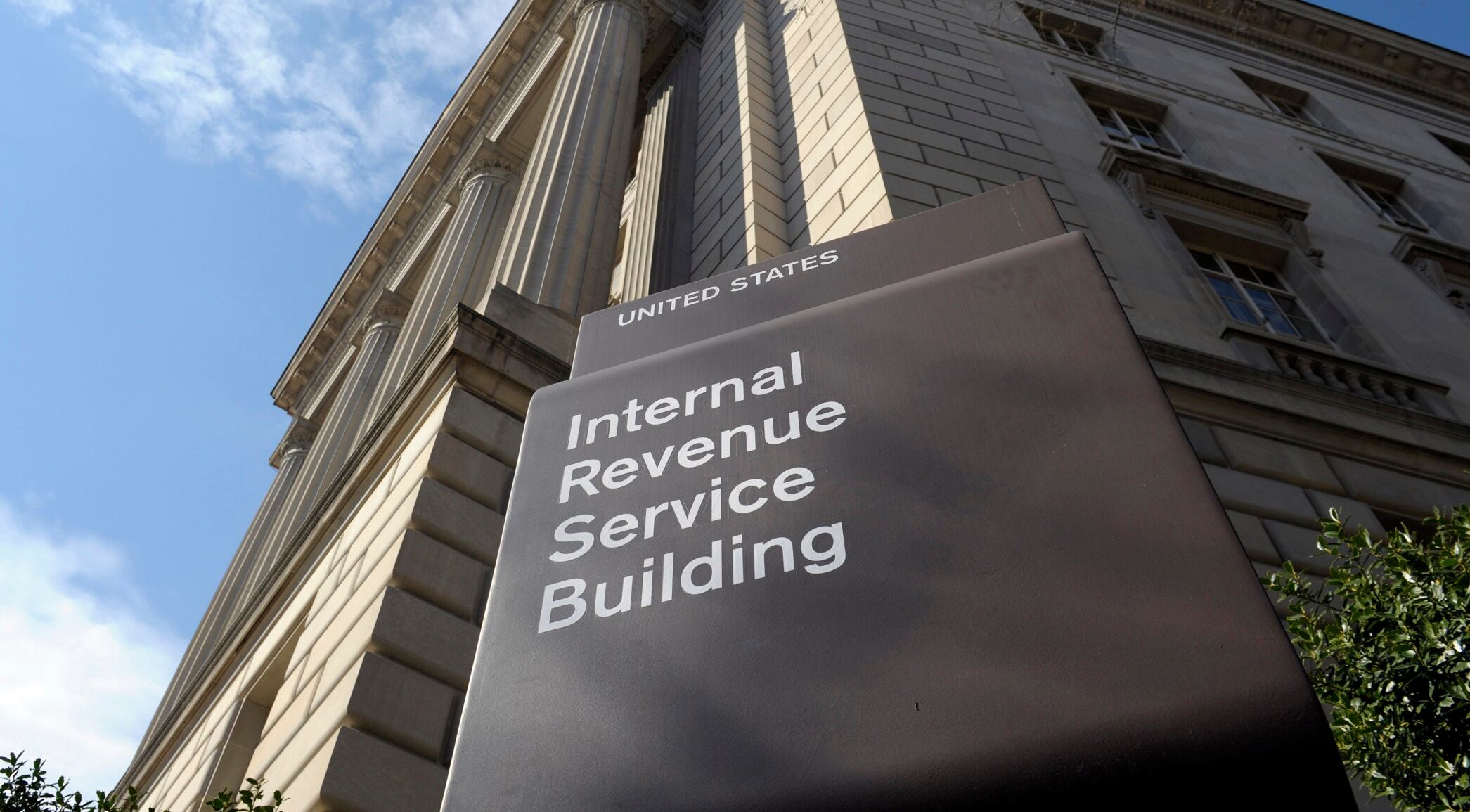
In this photo March 22, 2013, photo, the exterior of the Internal Revenue Service (IRS) building in Washington. The IRS sys it will stop using facial recognition technology to authenticate people who create online accounts after the practice came under criticism from privacy advocates and lawmakers (AP Photo/Susan Walsh, File)
By Fatima Hussein
The IRS said Monday it will suspend the use of facial recognition technology to authenticate people who create online accounts after the practice was criticized by privacy advocates and lawmakers.
The agency said it would no longer use a third-party service, called ID.me, for facial recognition. Critics of the software said the database could become a target for cyberthreats. They also expressed concern about how the information could be used by other government agencies, among other concerns.
Earlier Monday, Senate Finance Committee Chair Ron Wyden, D-Ore., called on the agency to end its use of the ID.me software. After the IRS announced the practice would be suspended, Wyden said "the Treasury Department has made the smart decision to direct the IRS to transition away from using the controversial ID.me verification service.”
"No one should be forced to submit to facial recognition to access critical government services,” he added.
The IRS is currently grappling with a worker shortage and an expanded workload from processing tax filings and administering pandemic-related programs. Legislation that would have given the agency billions of dollars to more expeditiously process returns is stalled.
“The IRS takes taxpayer privacy and security seriously, and we understand the concerns that have been raised,” said IRS Commissioner Chuck Rettig.
“Everyone should feel comfortable with how their personal information is secured, and we are quickly pursuing short-term options that do not involve facial recognition.”
The agency said the transition would occur “over the coming weeks in order to prevent larger disruptions to taxpayers during filing season.”
The charges in the indictment, made by a Manhattan grand jury, center on payments made during the 2016 presidential campaign to silence claims of an extramarital sexual encounter.
Oil companies offered a combined $264 million for drilling rights in federal waters in the Gulf of Mexico on Wednesday in a sale mandated by last year’s climate bill compromise.
Adidas is withdrawing its challenge to a Black Lives Matter trademark application featuring three parallel stripes, two days after it contested the image with the U.S. Trademark Office.
The state of Arkansas sued TikTok and Facebook parent Meta on Tuesday, claiming the social media companies were misleading consumers about the safety of children on their platforms and protections of users' private data.
Russia’s top security agency arrested an American reporter for the Wall Street Journal on espionage charges, the first time a U.S. correspondent was put behind bars on spying accusations since the Cold War. The newspaper denied the allegations against Evan Gershkovich.
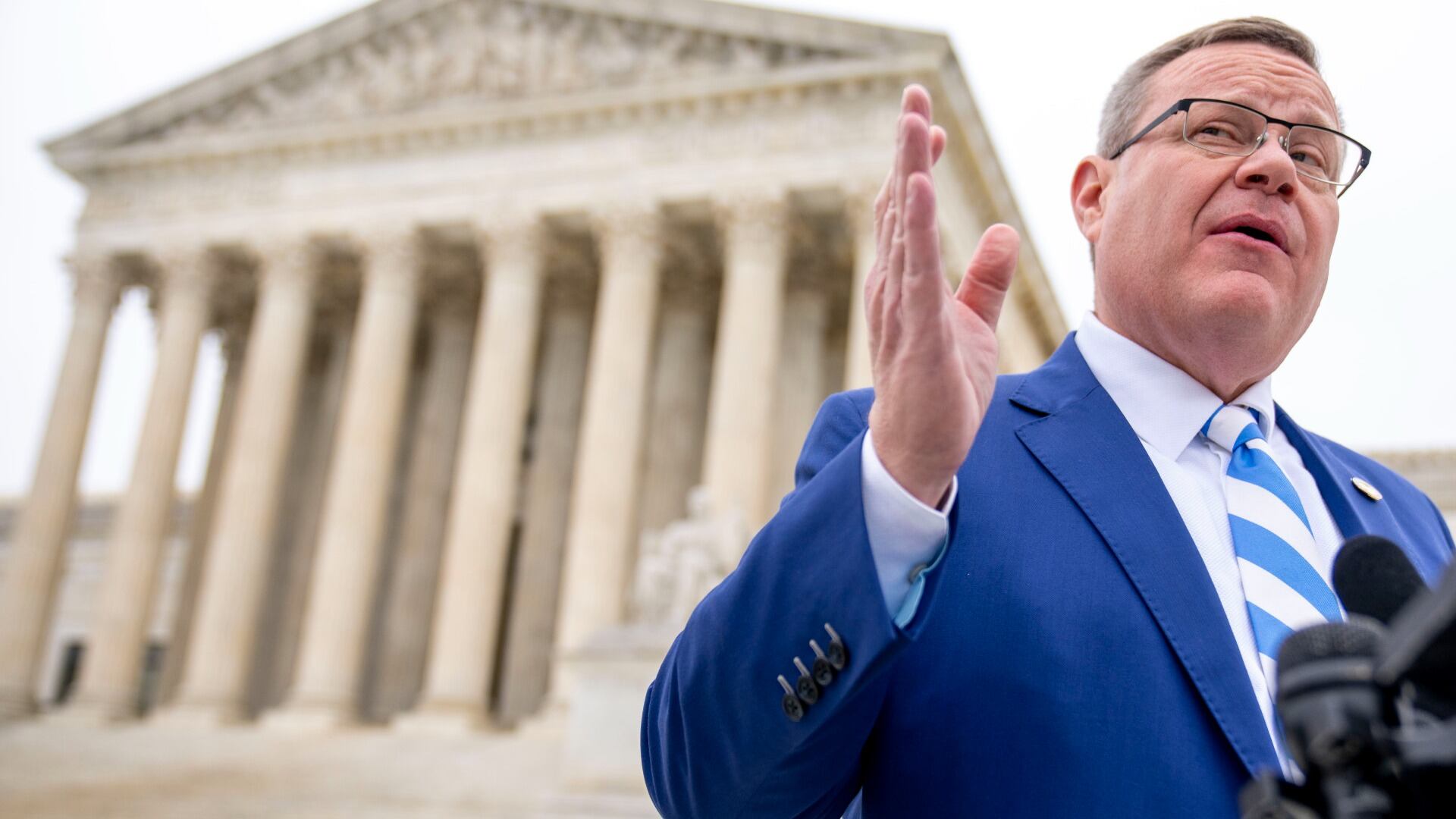
North Carolina residents can now buy a handgun without getting a permit from a local sheriff. The Republican-controlled state House on Wednesday overrode the Democratic governor’s veto.
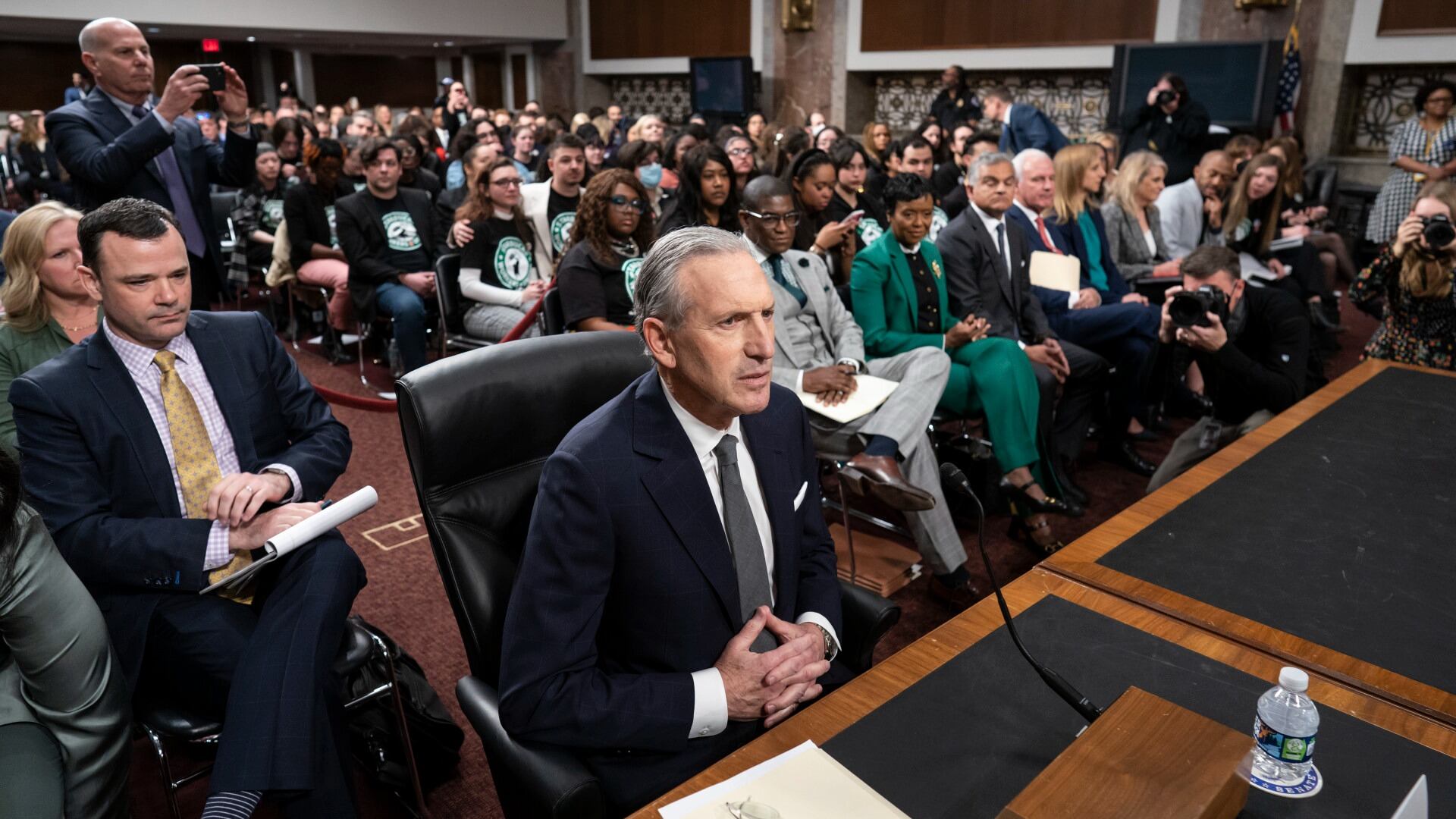
Longtime Starbucks CEO Howard Schultz is facing sharp questioning before the Senate Health, Education, Labor and Pensions Committee where he is defending the company’s actions during an ongoing unionizing campaign.
Credit Suisse violated a plea agreement with U.S. authorities by failing to report secret offshore accounts that wealthy Americans used to avoid paying taxes, U.S. lawmakers said Wednesday.