By Fatima Hussein
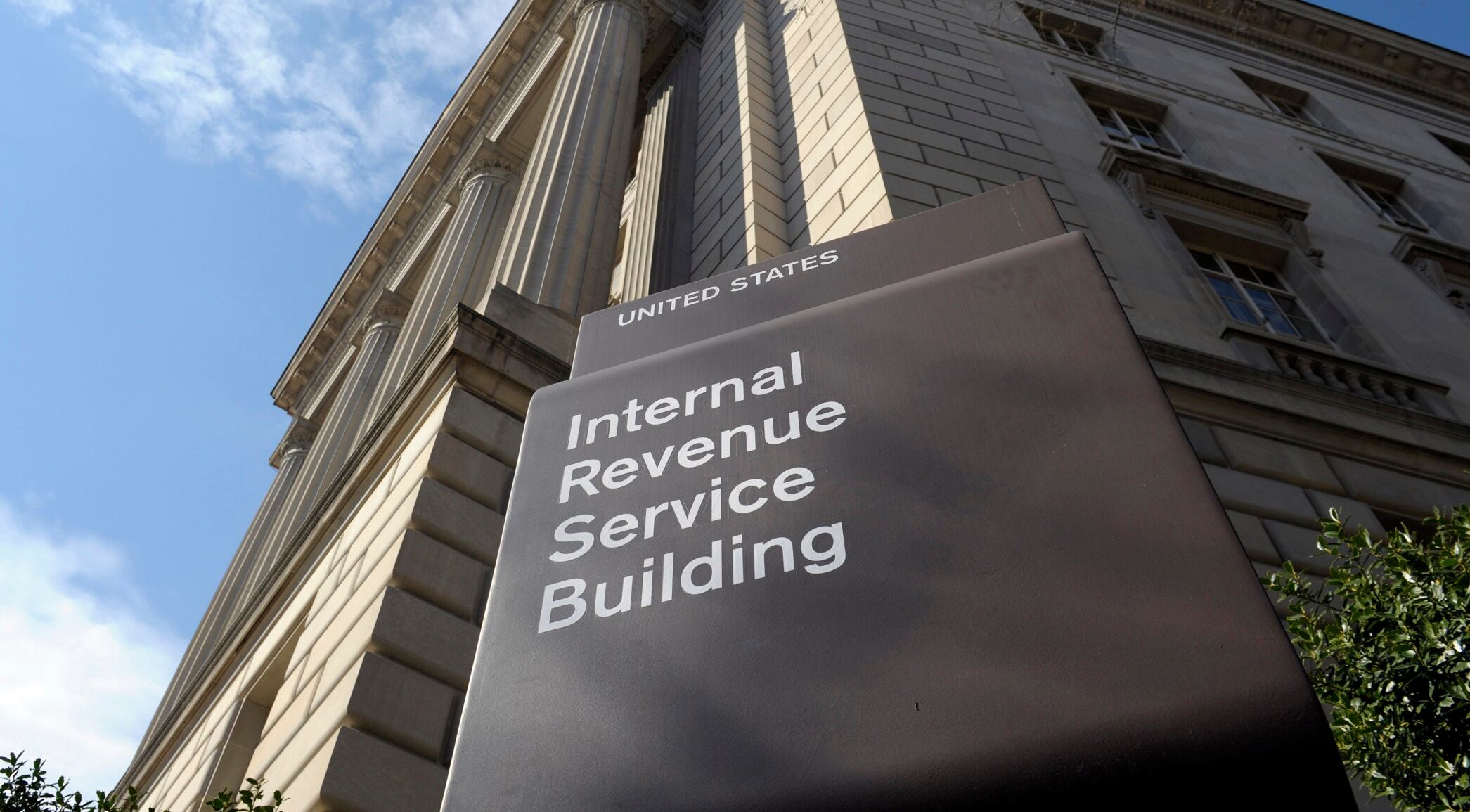
The IRS said Monday it will suspend the use of facial recognition technology to authenticate people who create online accounts after the practice was criticized by privacy advocates and lawmakers.
The agency said it would no longer use a third-party service, called ID.me, for facial recognition. Critics of the software said the database could become a target for cyberthreats. They also expressed concern about how the information could be used by other government agencies, among other concerns.
Earlier Monday, Senate Finance Committee Chair Ron Wyden, D-Ore., called on the agency to end its use of the ID.me software. After the IRS announced the practice would be suspended, Wyden said "the Treasury Department has made the smart decision to direct the IRS to transition away from using the controversial ID.me verification service.”
"No one should be forced to submit to facial recognition to access critical government services,” he added.
The IRS is currently grappling with a worker shortage and an expanded workload from processing tax filings and administering pandemic-related programs. Legislation that would have given the agency billions of dollars to more expeditiously process returns is stalled.
“The IRS takes taxpayer privacy and security seriously, and we understand the concerns that have been raised,” said IRS Commissioner Chuck Rettig.
“Everyone should feel comfortable with how their personal information is secured, and we are quickly pursuing short-term options that do not involve facial recognition.”
The agency said the transition would occur “over the coming weeks in order to prevent larger disruptions to taxpayers during filing season.”
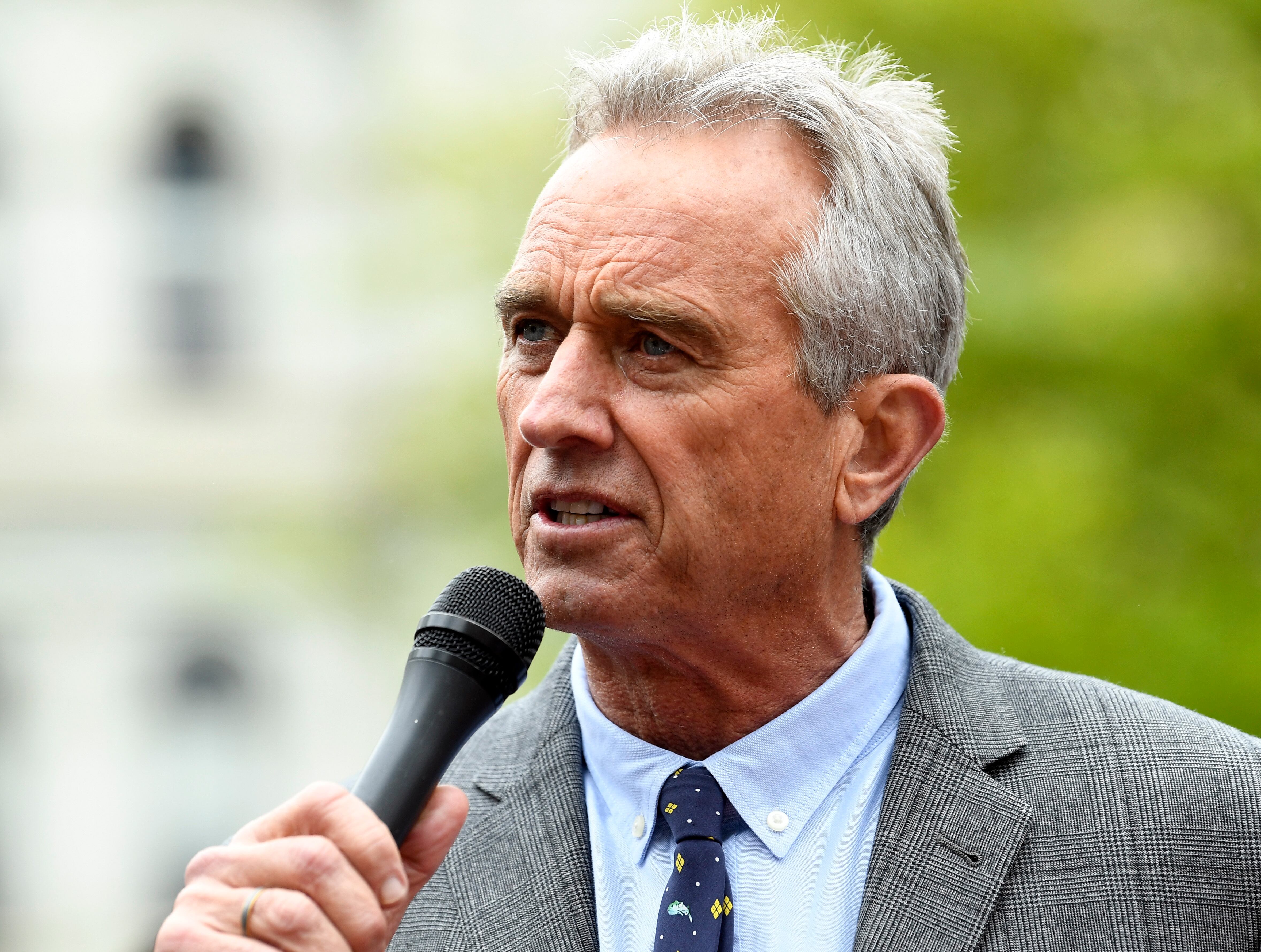
Democrat Robert F. Kennedy Jr., an anti-vaccine activist and scion of one of the country’s most famous political families, is running for president.
A Democratic state lawmaker in North Carolina announced Wednesday that she is jumping to the Republican Party, giving the GOP veto-proof majorities in both the state's legislative chambers that should make it easier to enact conservative policies over the opposition of Gov. Roy Cooper.
The Environmental Protection Agency is tightening rules that limit emissions of mercury and other harmful pollutants from coal-fired power plants.
King Charles III’s wife has been officially identified as Queen Camilla for the first time, with Buckingham Palace using the title on invitations for the monarch’s May 6 coronation.
Tax payers are getting less bang for their buck in 2023. The IRS said the government has so far issued $172 billion in refunds. That's down 9 percent from a year ago, and the average refund is down from roughly $3,2000 to $2,900. However, the overall number of people to get refunds is up 3 percent.
Doctors accused of not providing enough care to infants delivered alive during certain kinds of abortion procedures in Kansas could face lawsuits and criminal charges under a bill that won final approval Tuesday in the state's Republican-controlled Legislature.
Some 9.2 million lead pipes carry water into homes across the U.S., with more in Florida than any other state, according to a new Environmental Protection Agency survey that will dictate how billions of dollars to find and replace those pipes are spent.
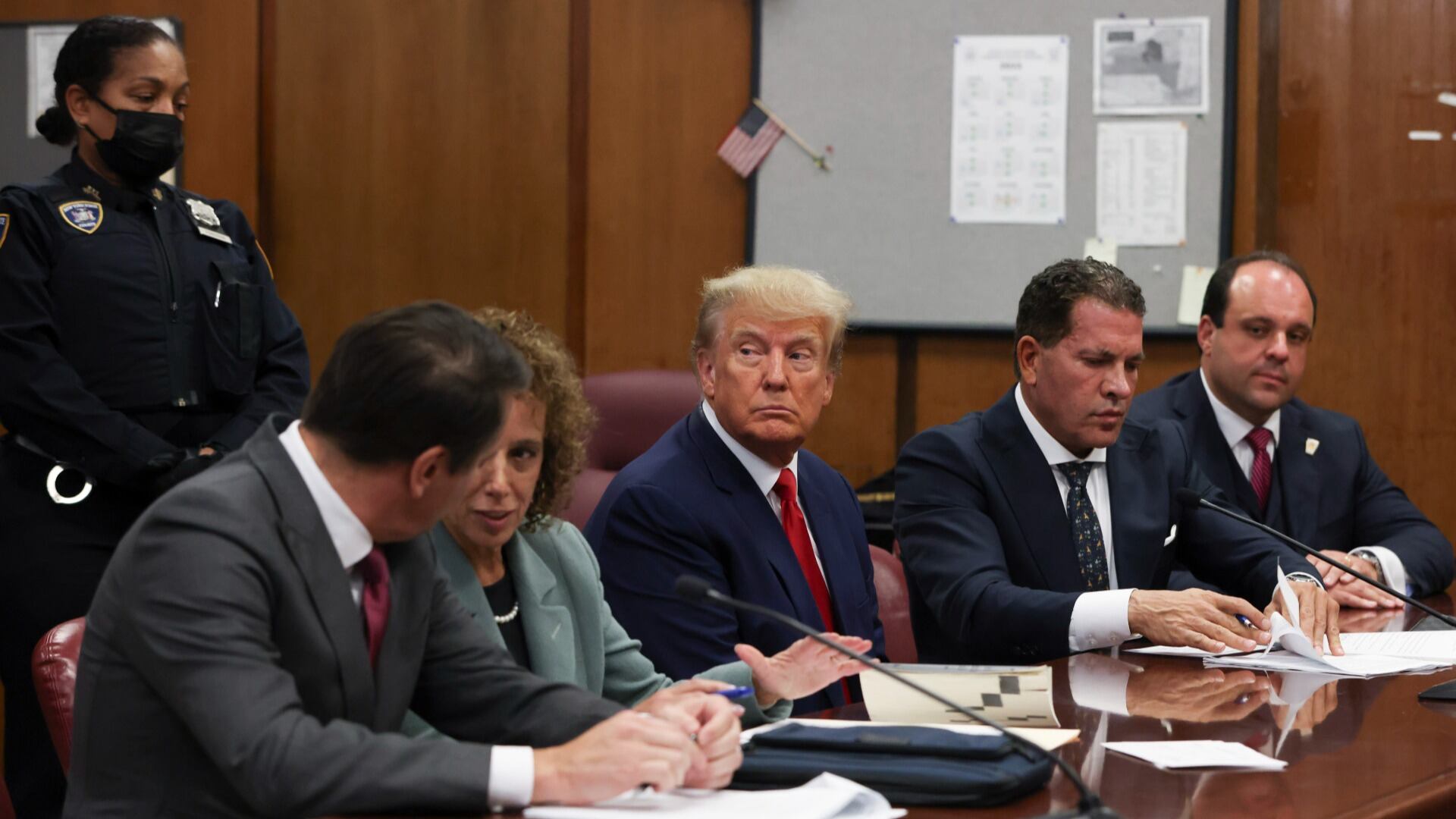
Former President Donald Trump has been warned by the judge in his criminal case to avoid making comments that are inflammatory or could cause civil unrest.
The incoming majority is expected to rule on a challenge to the state's 1849 abortion ban. The current court, under a 4-3 conservative majority, came within one vote of overturning President Joe Biden’s win in the state in 2020.
Tuesday's win is a major victory for the Democratic Party’s progressive wing as the nation’s third-largest city grapples with high crime and financial challenges.