By Fatima Hussein
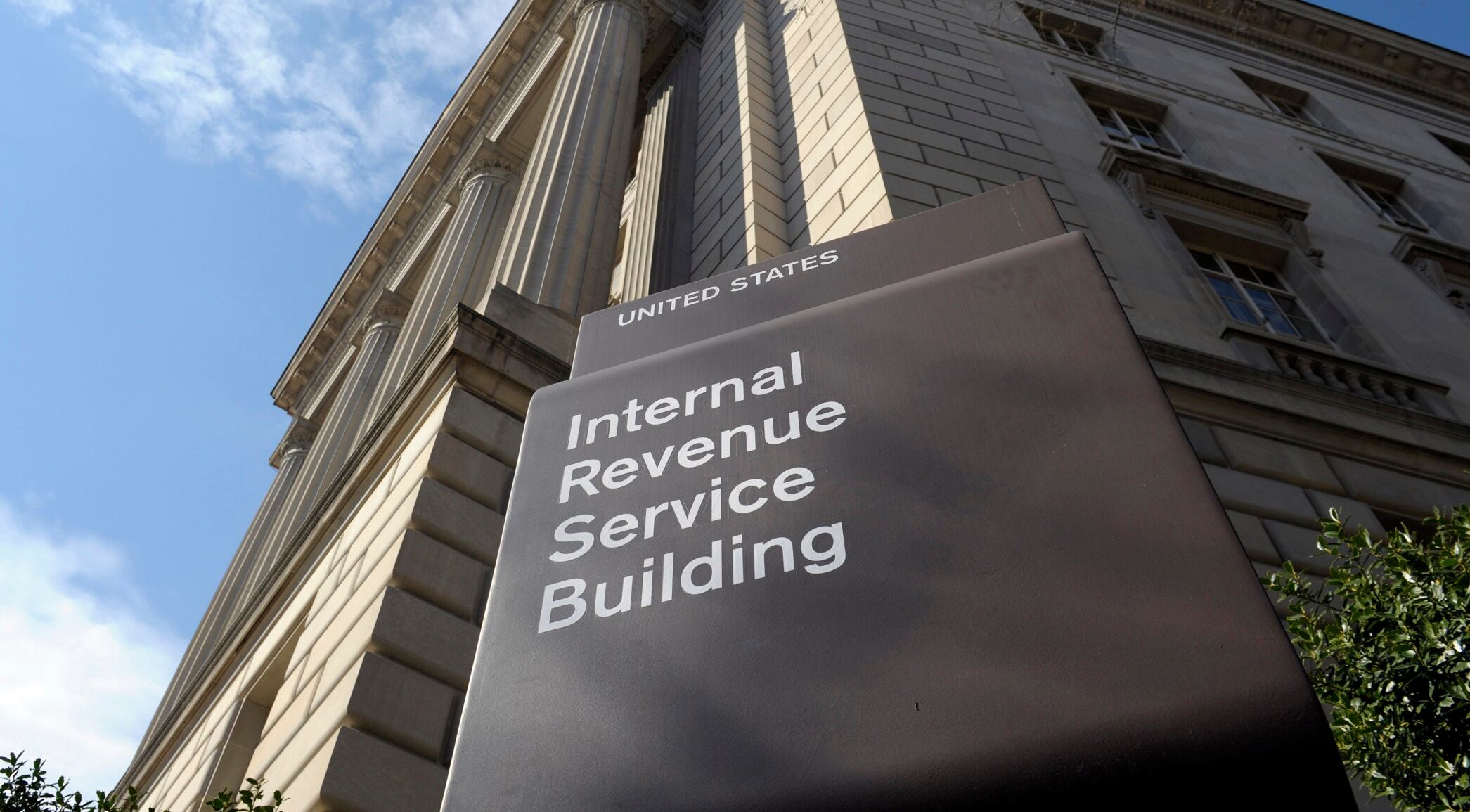
The IRS said Monday it will suspend the use of facial recognition technology to authenticate people who create online accounts after the practice was criticized by privacy advocates and lawmakers.
The agency said it would no longer use a third-party service, called ID.me, for facial recognition. Critics of the software said the database could become a target for cyberthreats. They also expressed concern about how the information could be used by other government agencies, among other concerns.
Earlier Monday, Senate Finance Committee Chair Ron Wyden, D-Ore., called on the agency to end its use of the ID.me software. After the IRS announced the practice would be suspended, Wyden said "the Treasury Department has made the smart decision to direct the IRS to transition away from using the controversial ID.me verification service.”
"No one should be forced to submit to facial recognition to access critical government services,” he added.
The IRS is currently grappling with a worker shortage and an expanded workload from processing tax filings and administering pandemic-related programs. Legislation that would have given the agency billions of dollars to more expeditiously process returns is stalled.
“The IRS takes taxpayer privacy and security seriously, and we understand the concerns that have been raised,” said IRS Commissioner Chuck Rettig.
“Everyone should feel comfortable with how their personal information is secured, and we are quickly pursuing short-term options that do not involve facial recognition.”
The agency said the transition would occur “over the coming weeks in order to prevent larger disruptions to taxpayers during filing season.”
New York Expands Regulations for Adult-Use Marijuana Dispensaries
Allies of former Vice President Mike Pence are launching a new super PAC to support his expected candidacy for the 2024 Republican presidential nomination.
The U.S. Department of Agriculture announced a nearly $11 billion investment on Tuesday to help bring affordable clean energy to rural communities throughout the country.
Top executives at Silicon Valley Bank and Signature Bank largely avoided taking responsibility for their banks’ dramatic failures at a Senate hearing Tuesday.
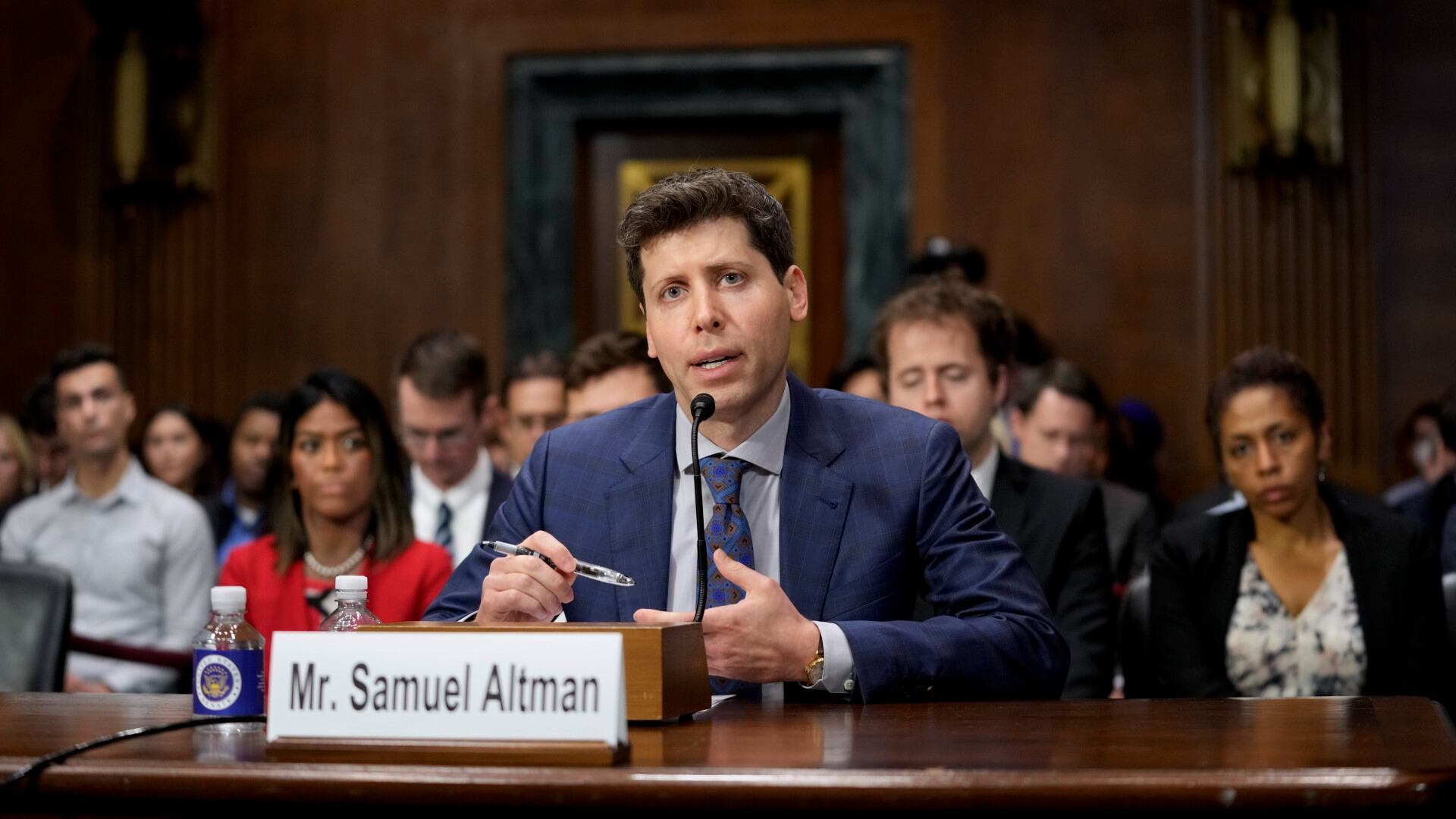
The head of the artificial intelligence company that makes ChatGPT will testify before Congress as lawmakers call for new rules to guide the rapid development of AI technology.
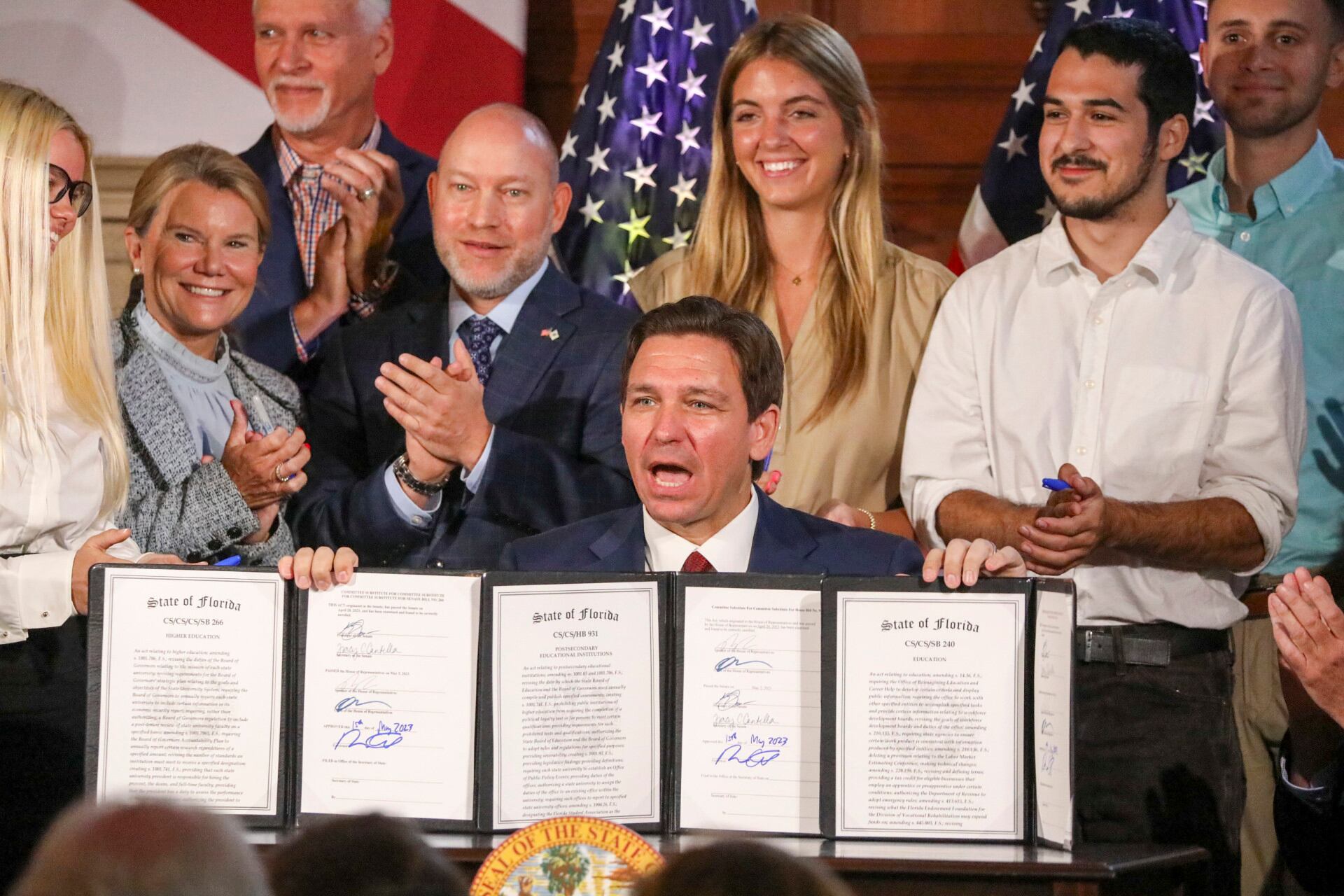
Florida Gov. Ron DeSantis on Monday signed a bill that blocks public colleges from using federal or state funding on diversity programs, addressing a concern of conservatives ahead of the Republican governor's expected presidential candidacy.
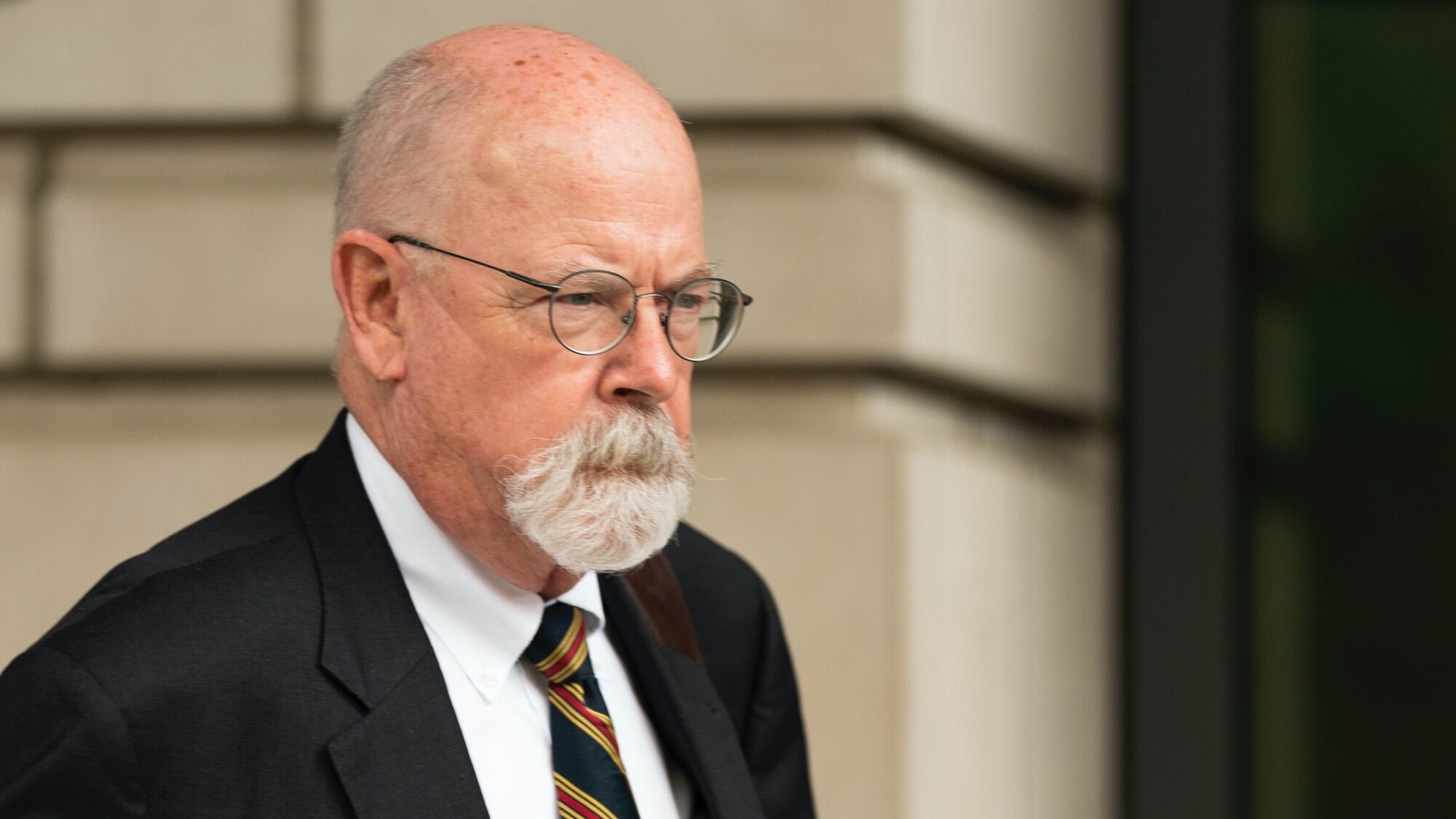
A special prosecutor found that the FBI rushed into its investigation of ties between Russia and Donald Trump's 2016 campaign and relied too much on raw and unconfirmed intelligence as he concluded a four-year probe that fell far short of the former president's prediction that the “crime of the century" would be uncovered.
North Carolina Gov. Roy Cooper vetoed a bill passed by state lawmakers that would ban most abortions after 12 weeks.
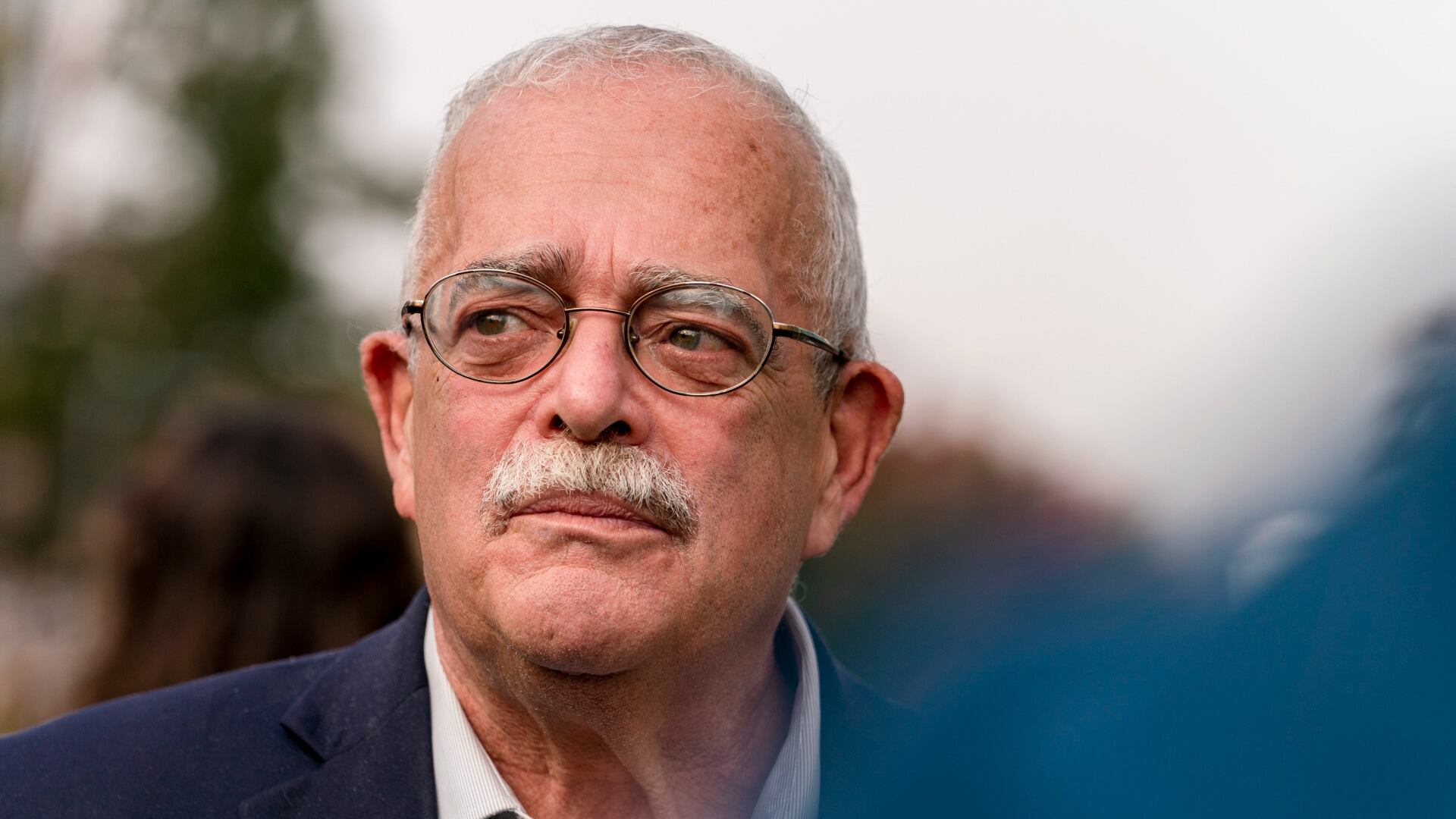
U.S. Rep. Gerry Connolly of Virginia says a man with a baseball bat walked into his Fairfax office, asked for him, and then assaulted two members of his staff.
Thanks to recent advances in artificial intelligence, tools that can create lifelike photos, video and audio are now cheap and readily available.