Iowa Governor Kim Reynolds is urging lawmakers in Washington to ratify the United States-Mexico-Canada Agreement (USMCA), which she says will help bring stability to her state's agriculture industry.
"Our message to Congress is to please rectify the USMCA. That'll bring a lot of certainty and predictability to the market," Reynolds told Cheddar on Thursday.
Following a year of negotiations, the USMCA was signed by President Donald Trump, now former Mexican President Enrique Peña Nieto, and Canadian Prime Minister Justin Trudeau last November at the G-20 Summit in Buenos Aires. The trade deal was meant to replace the North American Free Trade Agreement (NAFTA), which was established in 1994 and created a free trade zone between the three neighbors.
In an overwhelming vote last week, Mexico's General Congress approved the USMCA making Mexico the first country to fully sign onto the deal. The U.S. Congress and the Canadian Parliament have yet to ratify the pact.
"This is a very important advance," Mexican President Andrés Manuel López Obrador said at a press conference last week. "It is a clear sign that there is unity in the country."
Canada and Mexico are currently the second and third largest trading partners with the U.S., with total trade topping $617 billion and $611 billion in 2018 respectively, according to government figures.
The USMCA covers numerous aspects of cross-border trade, including labor laws, environmental standards, and intellectual property rights. It also has specific provisions for various sectors like auto manufacturers, digital services, and agriculture. The U.S., for instance, negotiated hard for easier access to the Canadian dairy market.
Democrats, however, have expressed concerns over weak enforcement measures on workers' rights and environmental regulations, and have refused to hold a vote on the deal in the House.
"Without real enforcement mechanisms we would be locking American workers into another bad deal. A new trade agreement without enforcement is not progress for the American worker, just a press release for the President," House Speaker Nancy Pelosi (D-Calif.) said in a statement in May. "We have been on a path to yes, but it must be a path that leads to an agreement that delivers positive results for American workers and farmers."
Nonetheless, Reynolds told Cheddar that Iowa's economy is growing, despite "some significant challenges with agricultural." Iowa is currently the second largest agricultural exporter in the U.S., with nearly 50 percent of its exports going to Canada and Mexico in 2018.
Farmers "really, really, really would like to see USMCA ratified," the Republican governor said.
As Meta and Microsoft ramp up their AR and VR tech futures, analysts have been waiting on word from Apple, but the consumer tech giant is reportedly delaying such an announcement. Doug Astrop, a managing partner at Exponential Investment Partners, joined Cheddar to dive into the rumors about the possibilities of a foray into the metaverse by Tim Cook's megacorp sometime in 2022 or 2023. "We can't really predict with a great deal of certainty how it's going to play out, but I'm confident Apple's going to be a big player and do very well in any scenario that unfolds," said Astrop.
Monster Beverage is charging into the beer and hard seltzer biz with its $330 acquisition of CANarchy Craft Brewery Collective. The energy drink finalized the deal a week after Constellation Brands Inc. made a deal with Coca-Cola to acquire the Fresca brand.
Ford has seen a record 52-week high for its valuation, hitting more than $100 billion for the first time. The rise in its stocks comes amid its push for more electric vehicles, including the highly anticipated F-150 Lightning pickup, coming this spring.
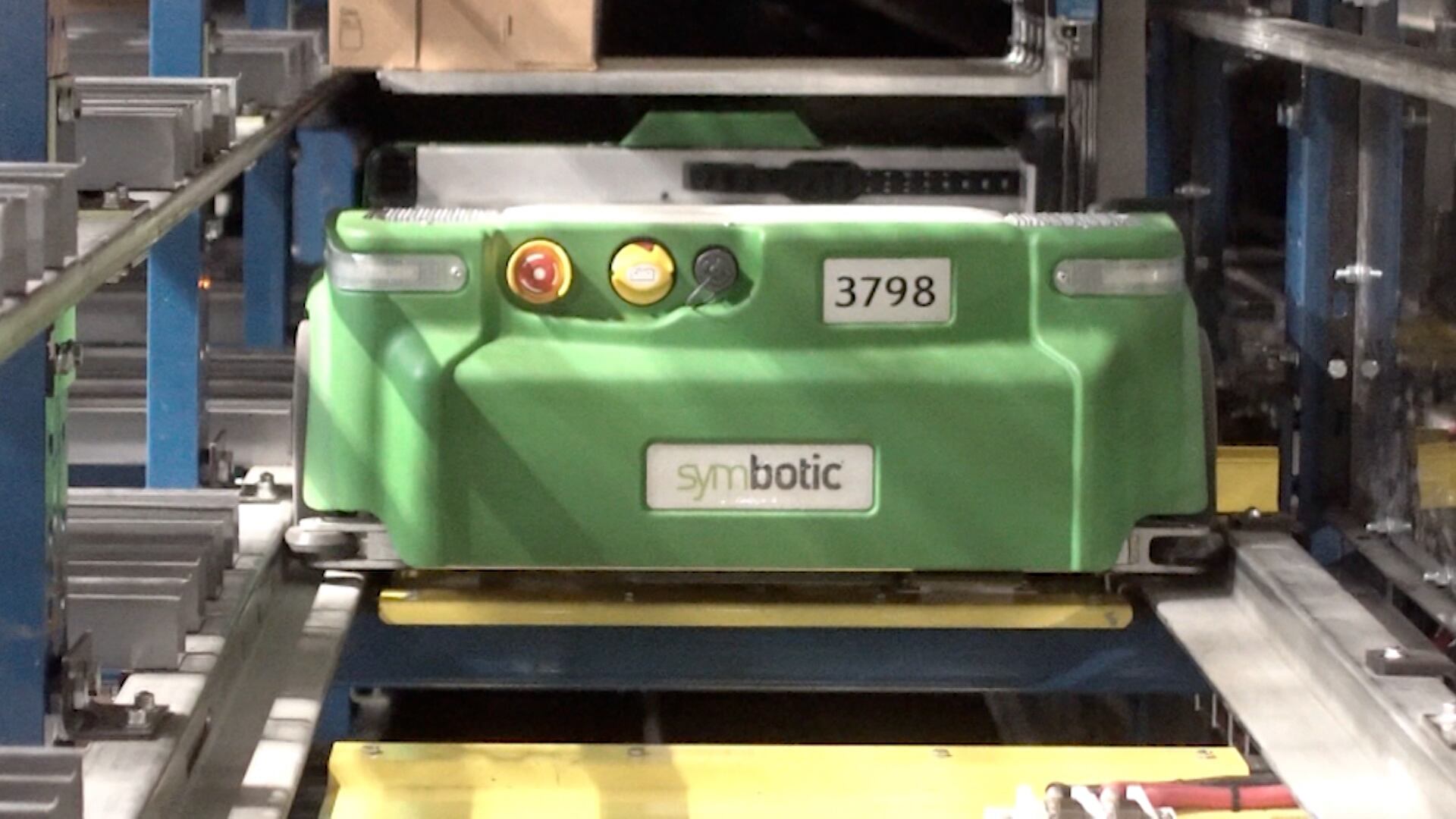
Specializing in AI, robotics, and automation for the global supply chain, Symbotic announced last month it will be tapping the public markets in a SPAC deal with investment giant SoftBank. Symbotic CFO Tom Ernst and Vikas Parekh, a managing partner at SoftBank Investment Advisers spoke with Cheddar about going public and the future of modernizing logistics amid the constrained supply networks. "The supply chain is fundamentally broken," said Ernst. "By employing the best in modern technology for autonomous vehicles and artificial intelligence, we're able to fundamentally rethink the way in which you receive and store and sort goods, making for a dramatically more efficient supply chain."
JP Morgan Chase beat Q4 earnings estimates, largely attributed to credit card borrowers and corporations. Meanwhile, Wells Fargo also reported strong quarterly earnings and saw a 15 percent growth in its shares for the year.
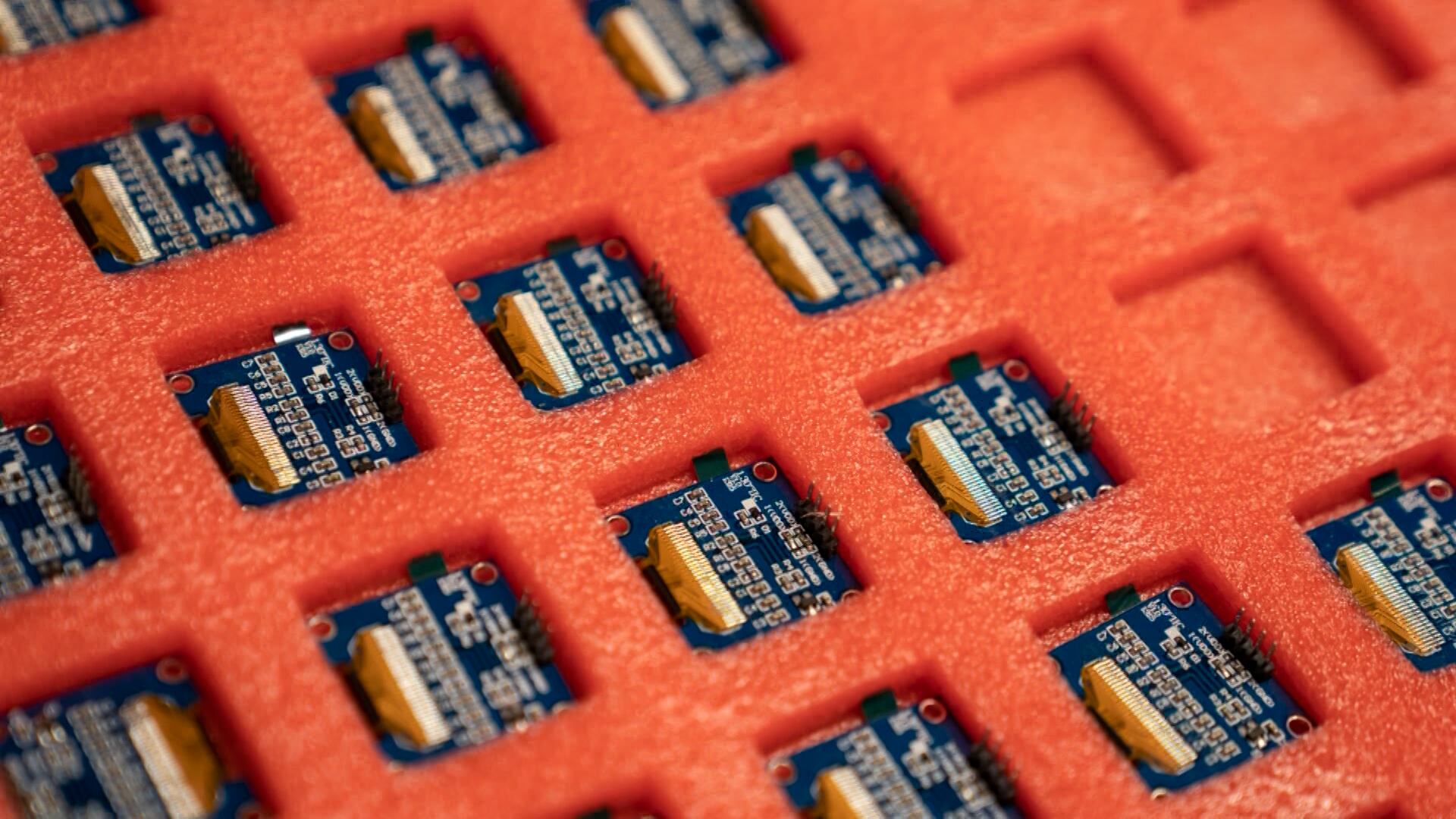
Taiwan Semiconductor Manufacturing Company (TSMC), the largest supplier of semiconductors, doubled its Q4 revenue forecast and announced a $44 billion investment for expanded chip manufacturing in 2022. Caleb Silver, Editor in Chief at Investopedia, joined Cheddar to discuss the future for the global tech giant. "It has the money. It has the equity. It has the dominance over the market, so not a surprise at all, and it's taking charge as we head into this sort of next phase of advanced chipmaking," Silver said.
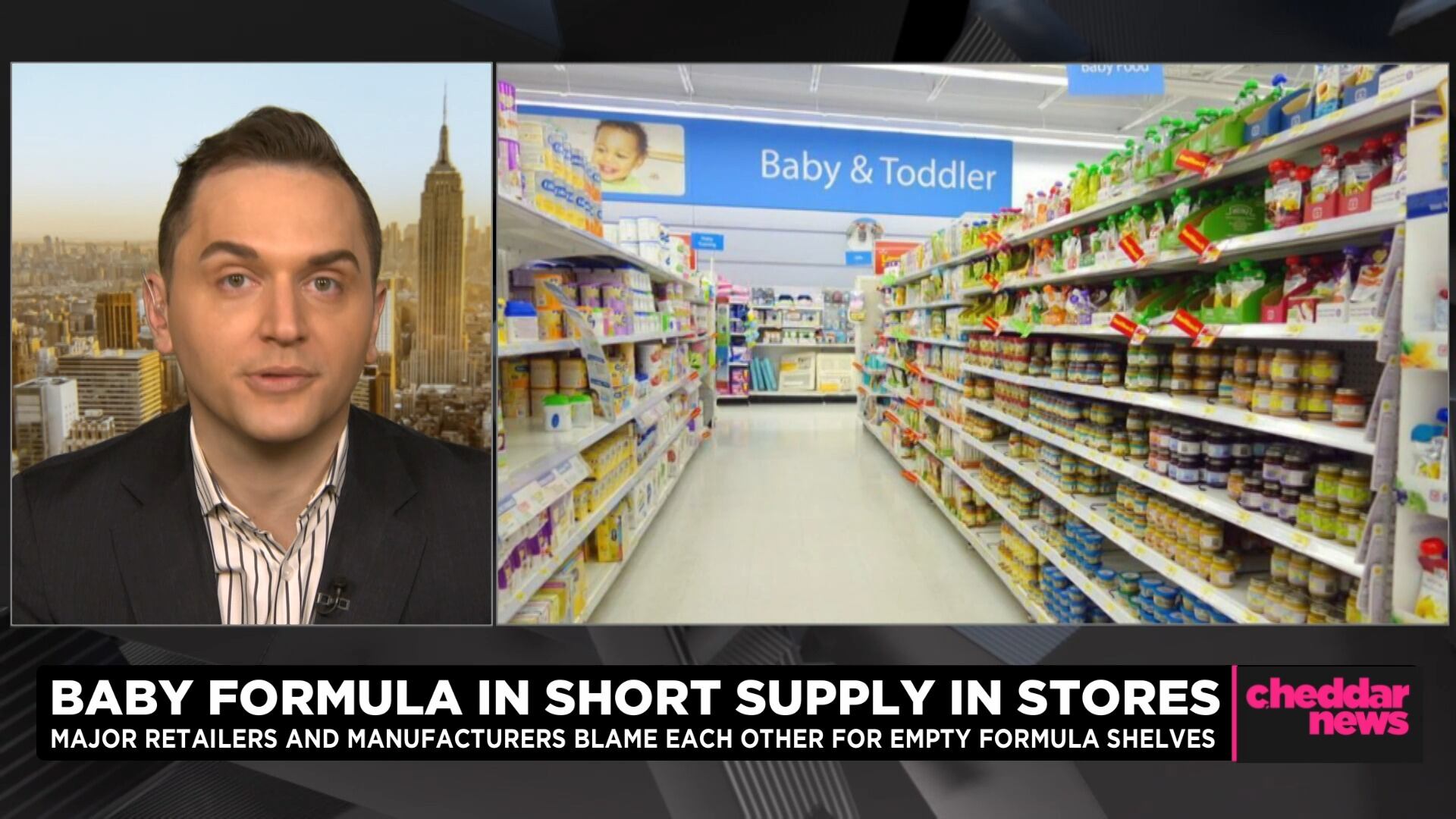
Grocery stores are restricting hours and services due to omicron-related labor and supply chain issues. This also comes at a time of labor unrest for supermarket giant Kroger as more than 8,000 workers at its King Soopers chain in Colorado have gone on strike.
Michael Hershfield, Founder & CEO of Accrue Savings, joined Wake Up With Cheddar to discuss the company's new round of funding, and its core mission of rewarding consumers for saving rather than taking on more debt with buy now, pay later options.
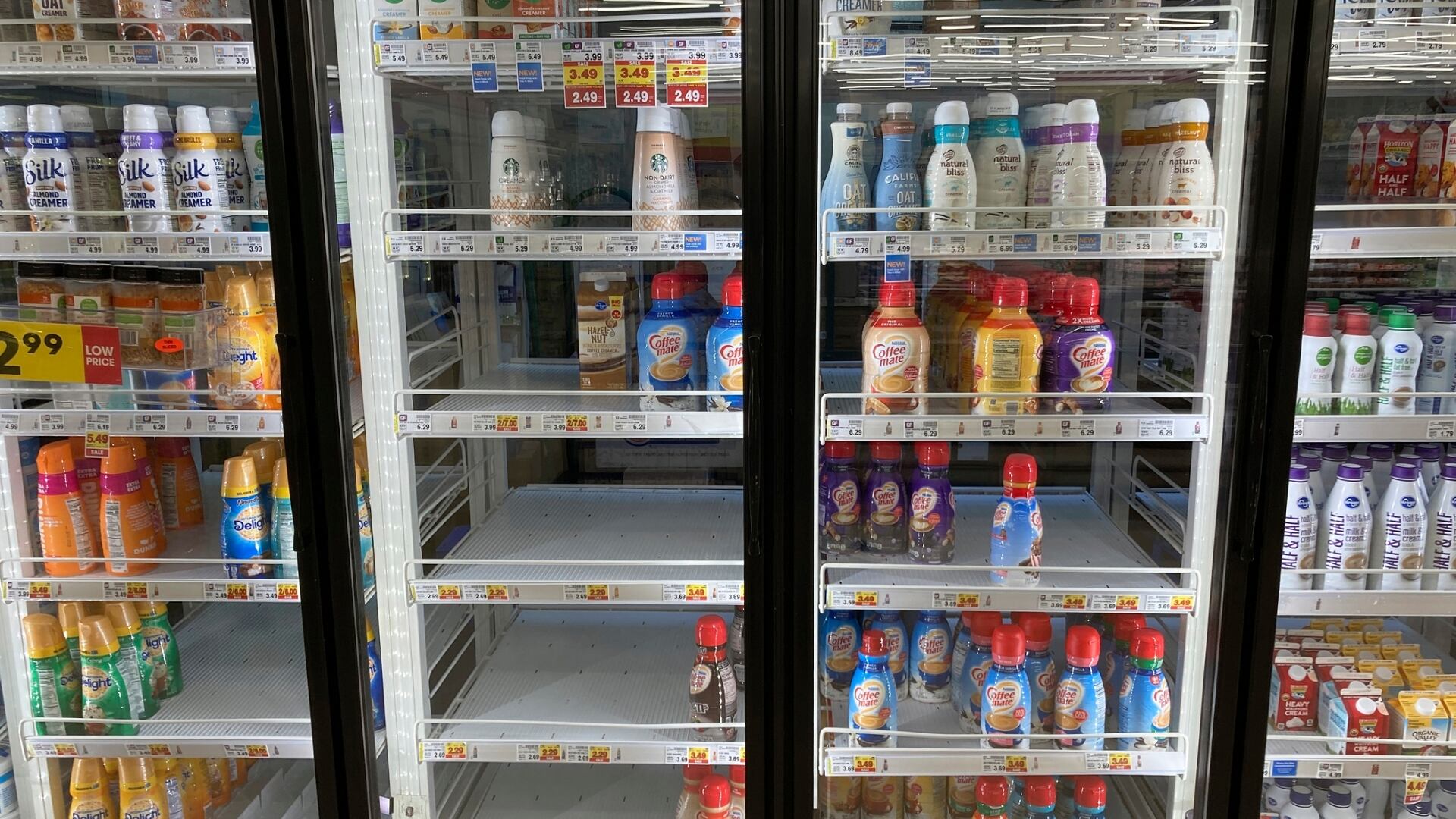
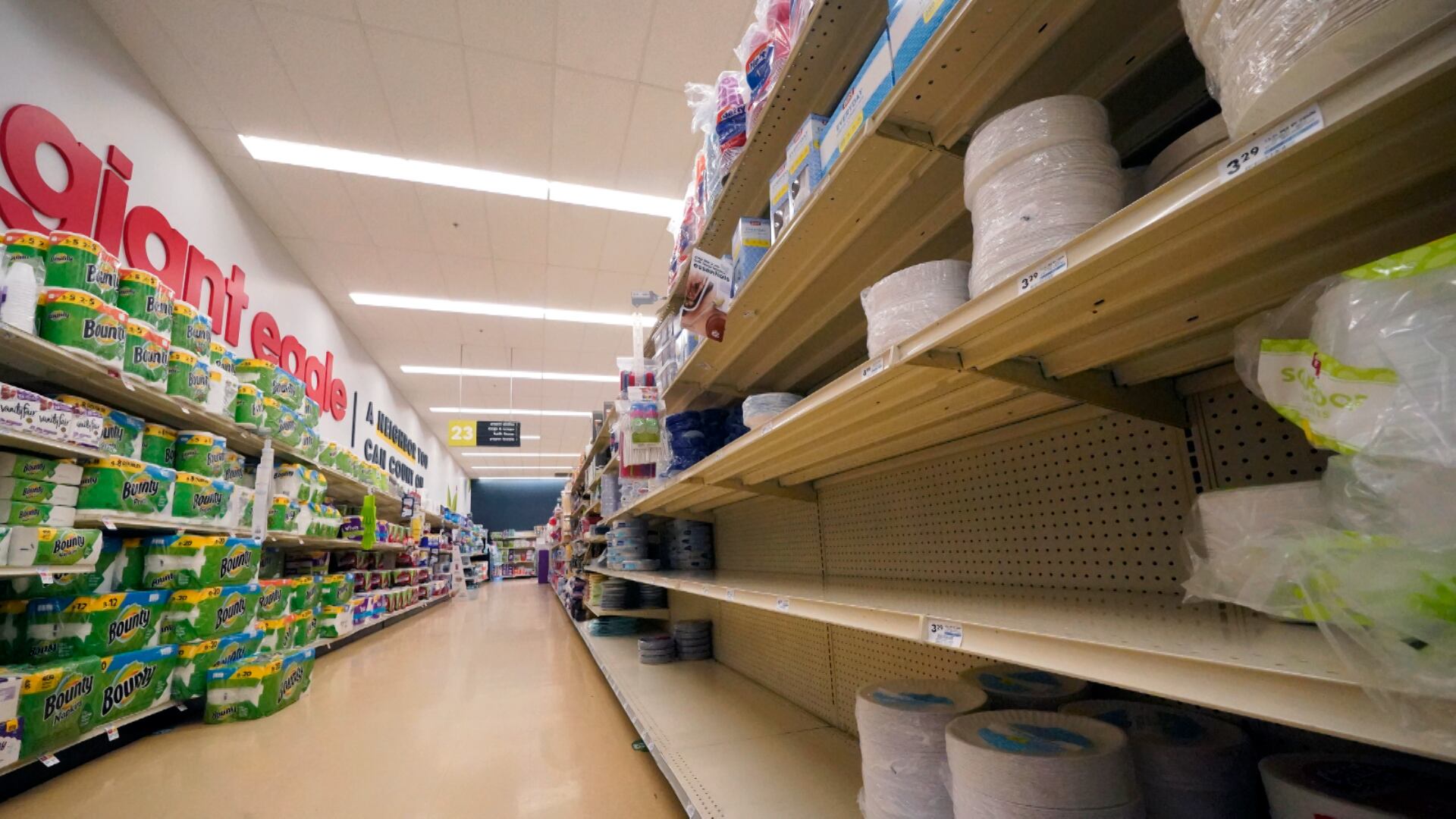
Ellen Davis, Executive VP of Industry Engagement at the Consumer Brands Association, joined Wake Up With Cheddar to break down what consumers need to know about how the pandemic and supply chain constraints are affecting the availability of everyday items.