Alexandra Wilkis Wilson, Co-Founder of Fitz, is a serial entrepreneur tackling problems in the beauty and apparel industry. After co-founding Gilt Groupe and serving as CEO of GlamSquad, Wilkis Wilson is moving on to her next big venture. She shares how her new company, Fitz, an in-home styling service, is helping consumers across the country.
Wilkis Wilson says her company is catering to time-starved consumers. People get busy with life events such as weddings, new jobs, and weight-gain, and can lose sight of their wardrobe, says Wilkis Wilson. Fitz makes it easy for consumers to get their style in order by sending stylists straight to the clients' doors.
Fitz has a deep network of 400 affiliates to help clients shop for style pieces they are missing at a wide range of price points. Wilkis Wilson also discusses the amazon effect. She says there is truth behind the belief that retail is in a tough spot because of the e-commerce giant, but remains hopeful that there is "room for the little guys" as well.
Ian Rogers, Chief Experience Officer, Ledger, joins Cheddar News to discuss innovation in crypto security, and why a hardware wallet is a critical tool for protecting digital assets.
Carlo and Baker cover the latest developments after a devastating tornado outbreak over the weekend, plus an eye on Omicron and inflation, and not even Spielberg can save the box office.
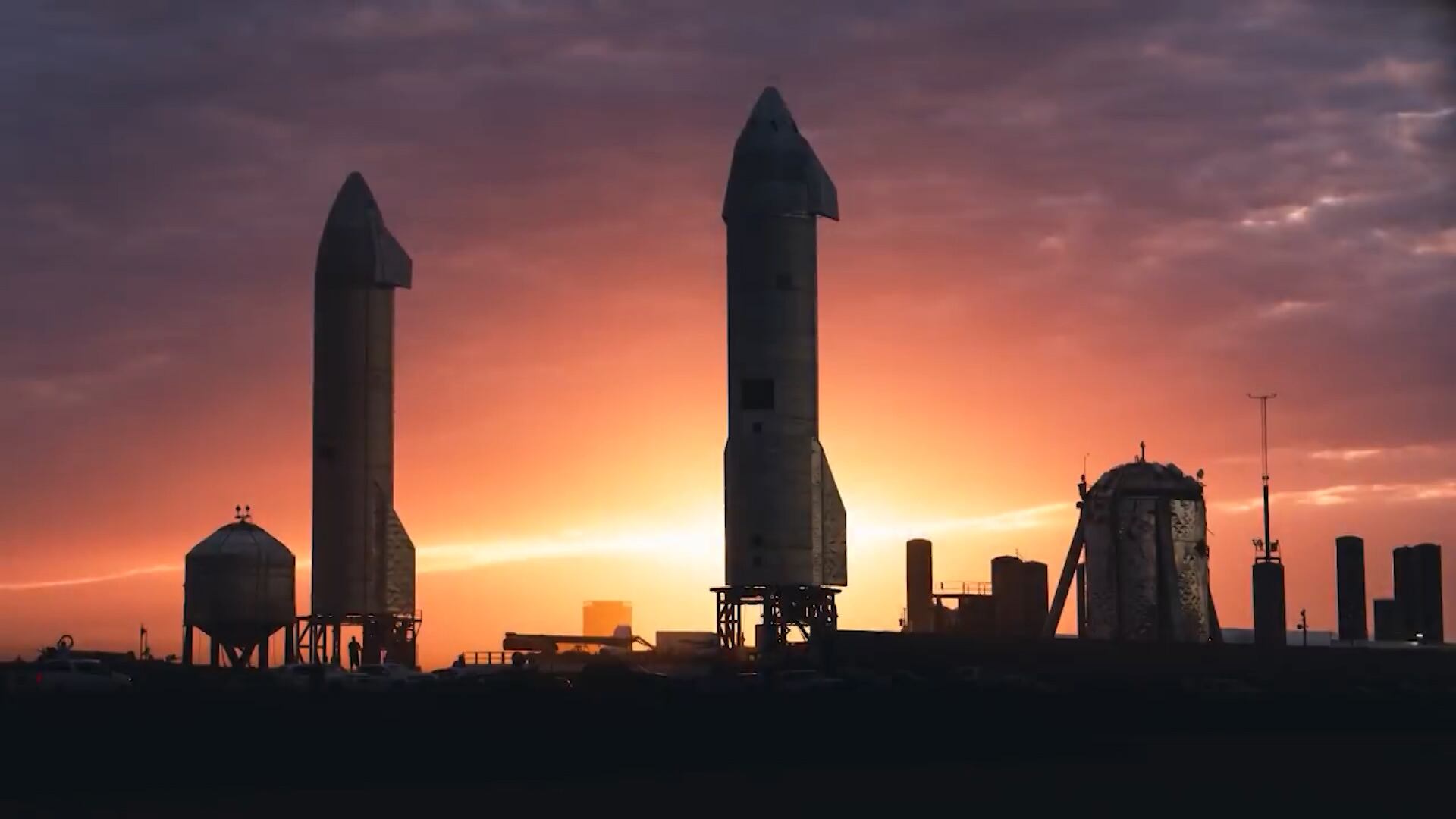
Reusable rocket developer Stoke Space Technologies raised $65 million in a Series A round led by Breakthrough Energy Ventures, a firm founded by Bill Gates. Stoke says its reusable rockets provide the satellite industry with low-cost, on-demand access to and from orbit. As companies like SpacX and Blue Origin are also making commitments to rocket reusability, Stoke says it is taking a different approach with a system designed to be 100% reusable, comprised of rockets designed to fly daily, like an airplane. Stoke co-founder and CEO Andy Lapsa joins Cheddar News' Closing Bell to discuss.
Humans are set to return to a place we have not been in nearly 50 years: the moon. NASA's Artemis program is expected to have astronauts back on the lunar surface by 2025. NASA says it will use what it learns on the moon to take the next giant leap - sending the first astronauts to Mars. The Artemis program also includes contributions from private companies like SpaceX, as well as academic research institutions like Georgia Tech. Georgia Tech professor of practice and former NASA astronaut Sandra Magnus joins Future of Space: Humankind's Leap Forward to discuss.