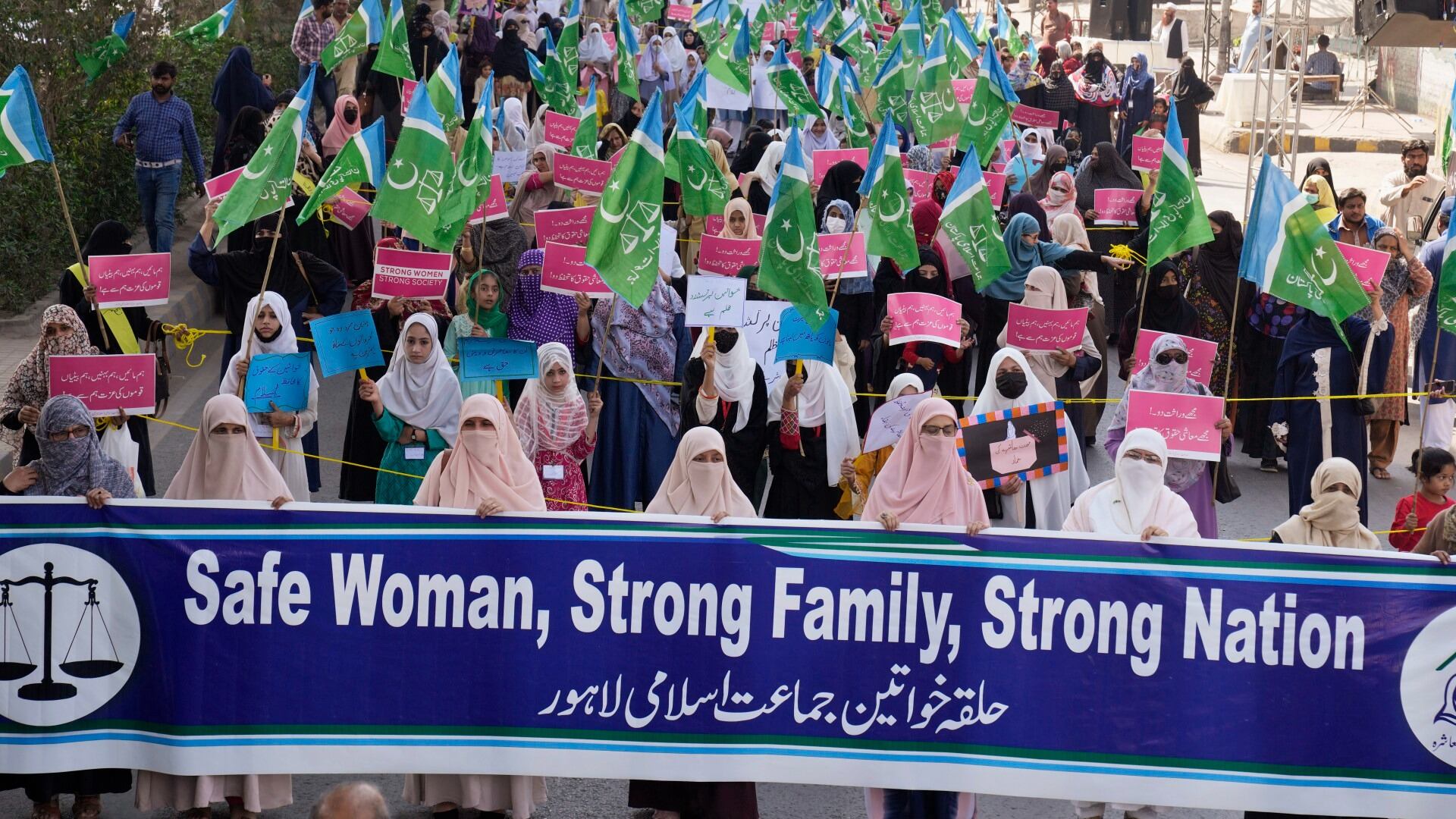
Women supporters of a religious party "Jamaat-e-Islami" participate in a rally to mark International Women's Day, in Lahore, Pakistan, Wednesday, March 8, 2023. The day officially recognized by the United Nations in 1977, is celebrated around the world on March 8. (AP Photo/K.M. Chaudary)
By Ciarán Giles
Millions of people around the world planned to demonstrate, attend conferences and enjoy artistic events Wednesday to mark International Women's Day, an annual observance established to recognize women and to demand equality for half of the planet's population.
While activists in some nations noted advances, repression in countries such as Afghanistan and Iran, and the large numbers of women and girls who experience sexual assaults and domestic violence worldwide highlighted the ongoing struggle to secure women's rights.
United Nations Secretary-General Antonio Guterres noted this week that women’s rights were “abused, threatened and violated” around the world and gender equality won’t be achieved for 300 years given the current pace of change.
Progress won over decades is vanishing because “the patriarchy is fighting back,” Guterres said.
The United Nations recognized International Women's Day in 1977, but the occasion has its roots in labor movements of the early 20th century. The day is commemorated in different ways and to varying degrees in different countries.
Women gathered in Pakistan’s major cities to march amid tight security. Organizers said the demonstrations were aimed at seeking rights guaranteed by the constitution. Some conservative groups last year threatened to stop similar marches by force.
Women’s rights activists in Japan held a small rally to renew their demand for the government to allow married couples to keep using different surnames. Under the 1898 civil code, a couple must adopt “the surname of the husband or wife” at the time of marriage.
The activists argued the law contributes to gender inequality because women experience strong pressure to take their husband’s name. Surveys show majority support for both men and women keeping their own names.
In the Philippines, hundreds of protesters from various women’s groups rallied in Manila for higher wages and decent jobs.
“We are seeing the widest gender pay gap,”protest leader Joms Salvador said. “We are seeing an unprecedented increase in the number of women workers who are in informal work without any protection.”
The United Nations identified Afghanistan as the most repressive in the world for women and girls since the Taliban takeover in 2021. The U.N. mission said Afghanistan’s new rulers were “imposing rules that leave most women and girls effectively trapped in their homes.”
They have banned girls’ education beyond sixth grade and barred women from public spaces such as parks and gyms. Women must cover themselves from head to toe and also barred from working at national and international nongovernmental organizations.
In Spain, more than 1 million people were expected to attend raucous evening demonstrations in Madrid, Barcelona and other cities. Big rallies were also organized are also expected in many other cities around the world, while in some countries only minor events are held.
Spain on Tuesday passed a new parity law requiring that women — and men — make up at least 40% of the boards of directors of listed companies and large private companies. The same will apply to the Spanish government Cabinet.
Political parties also must have to have gender equity on their electoral lists, with names of male and female candidates alternating.
Activists and left-wing governments in Spain have advanced women's rights in areas such as abortion access, menstrual leave and parental leave over the past two decades. Many European countries also have made strides toward gender equity.
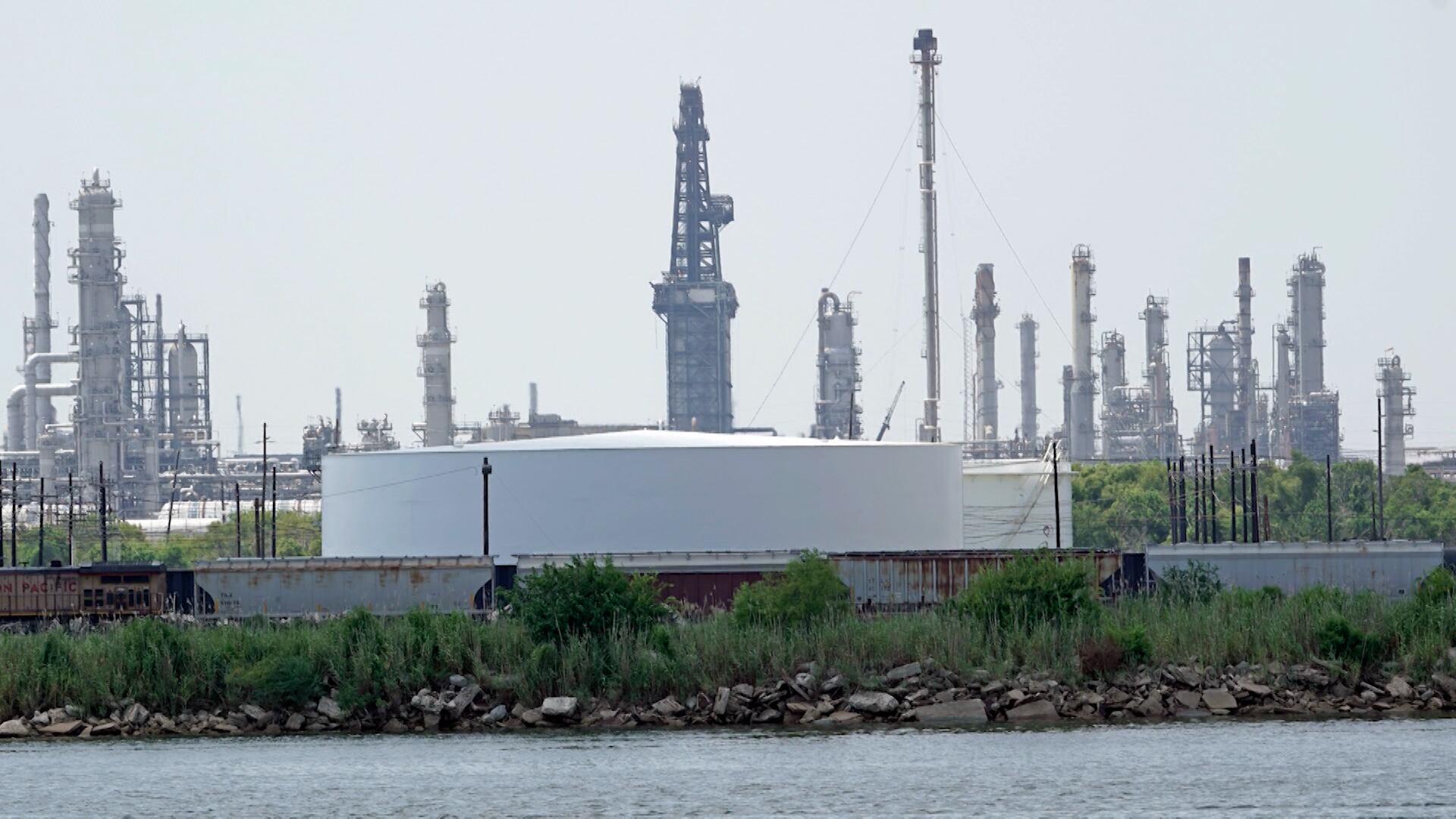
President Biden announced a ban on Russian oil and natural gas imports to the U.S. in response to its invasion of Ukraine, a move he warned could lead to an even greater surge in gas prices. The ban is prompting a conversation about the current oil production levels in the U.S. and whether or not the industry can ramp up production to soften the blow to American families at the gas pump. Clark Williams-Derry, Energy Finance Analyst with the Institute for Energy Economics and Financial Analysis, breaks down the state of the U.S. oil industry and how the ban might impact production levels here at home.
PepsiCo, Coca-Cola, McDonald’s, and Starbucks are the latest American food brands to have halted business operations in Russia after having faced scrutiny and criticism for originally failing to do so amid the country's invasion of Ukraine.
As Russia intensifies its war on Ukraine, President Biden announced a ban on oil imported from the aggressor nation. Critics of Russia have said this would be the best way to force Putin to pull back, but curbs on Russian oil exports are expected to send already skyrocketing oil and gas prices even higher, further impacting consumers, businesses, financial markets, and the global economy. Leslie Beyer, CEO of the Energy Workforce and Technology Council, joined Cheddar News' Closing Bell to discuss. "It's certainly going to increase pricing, but it is the right thing to do," she said. "The industry itself has already pulled out of the significant portion of its operations in Russia."
Sports Betting in the U.S. is booming. According to industry experts, we could see another boom this year as more states move towards statewide legalization of sports wagering. While this comes as huge news for fans, there are some very real concerns as to whether or not sports betting potentially poses a threat to public health. Senior Clinician at the Caron Treatment Centers, Eric Webber, joined Cheddar to discuss more.
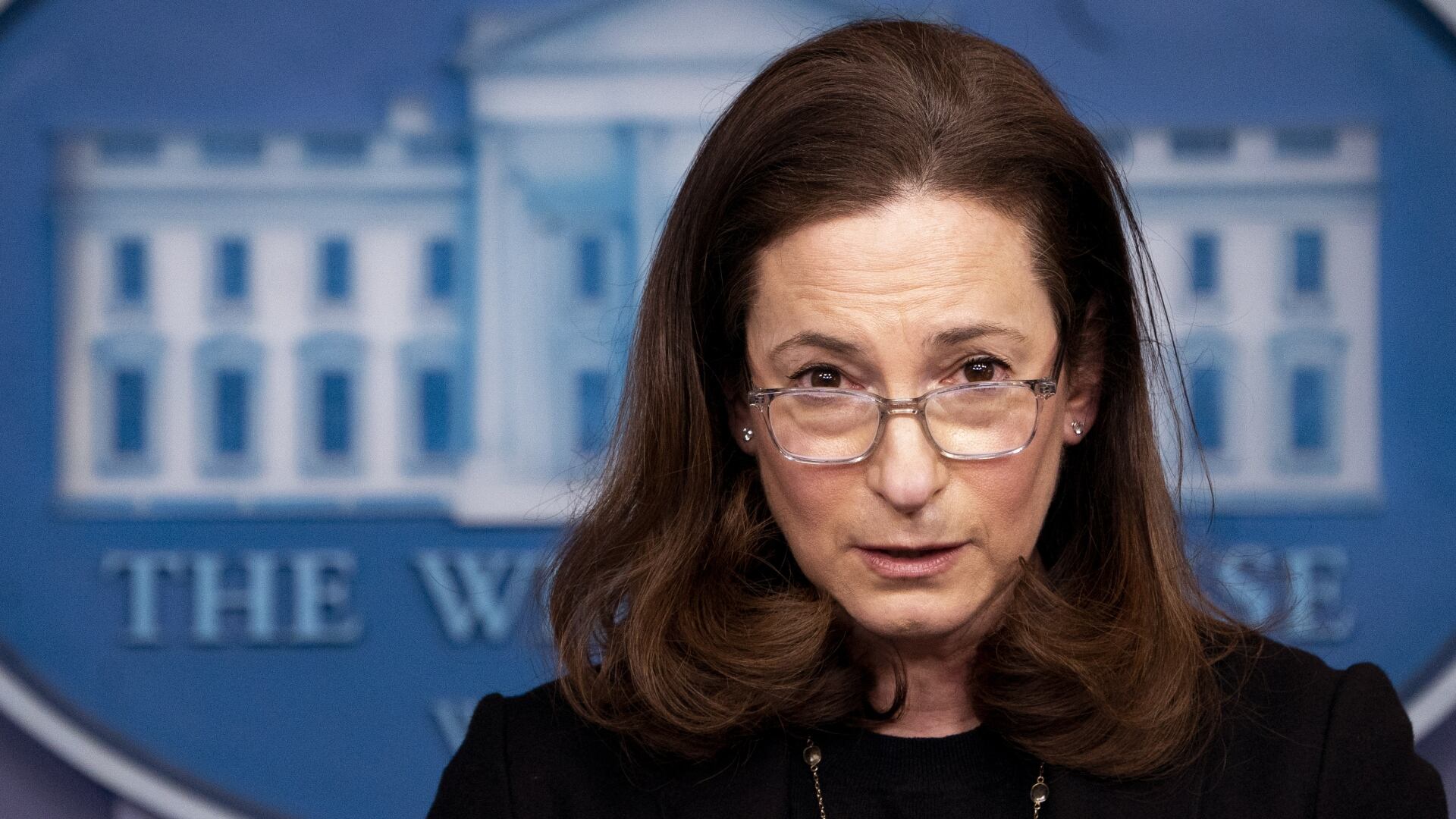
The Biden administration has made gender policy a core part of how it governs. The president established the first Gender Policy Council. It's on the same level as the National Security Council, Domestic Policy Council and National Economic Council, putting the interests of women and other underserved groups at the table for the most important policy discussions.
Cheddar News sat down with Jennifer Klein, executive director and co-chair of the White House Gender Policy Council, to discuss the council's work and its significance during Women's History Month.
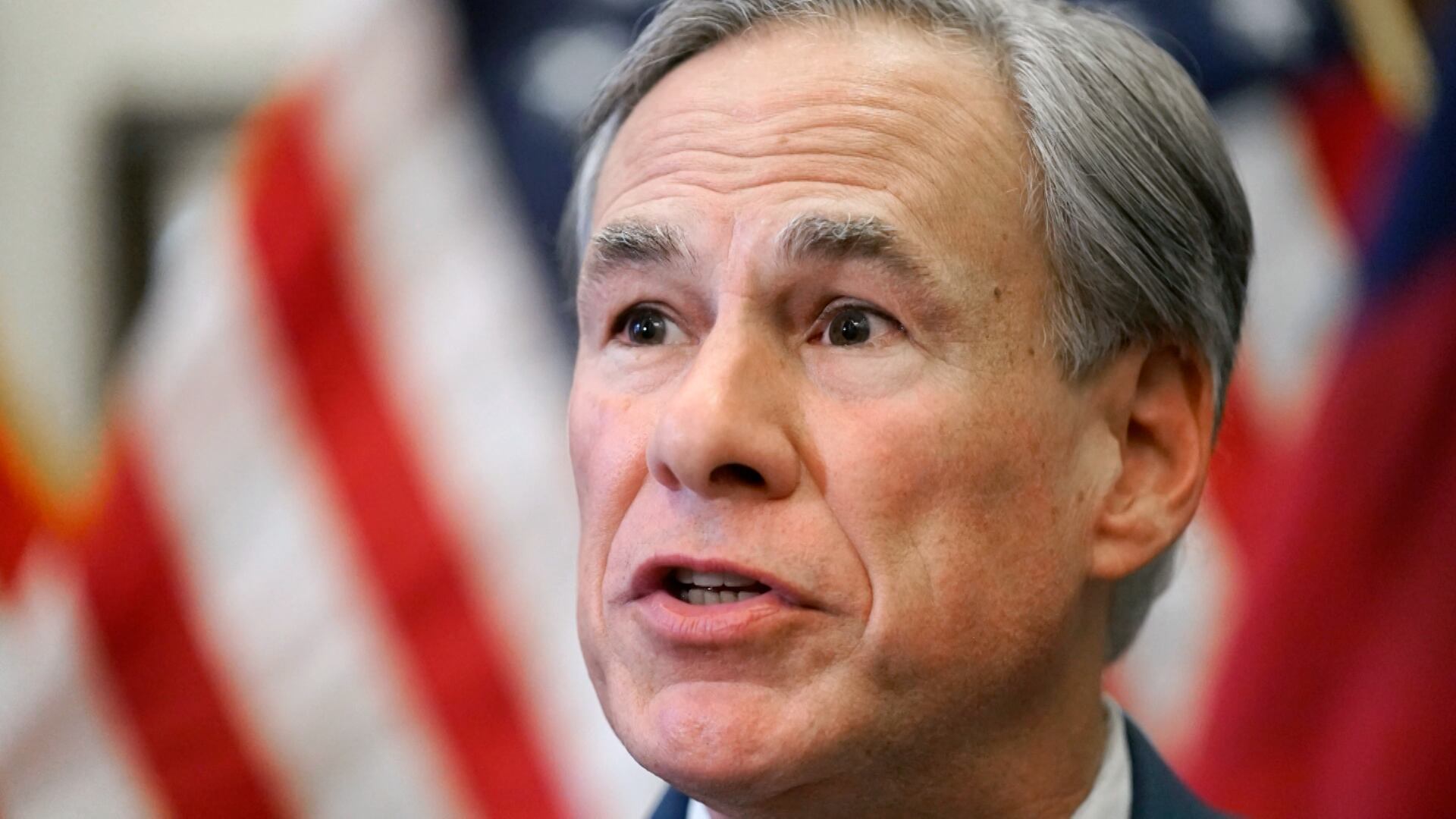
State Representative Jessica González, Vice Chair of the Texas House LGBTQ Caucus, joins Cheddar News to discuss the latest Texas anti-transgender directive.
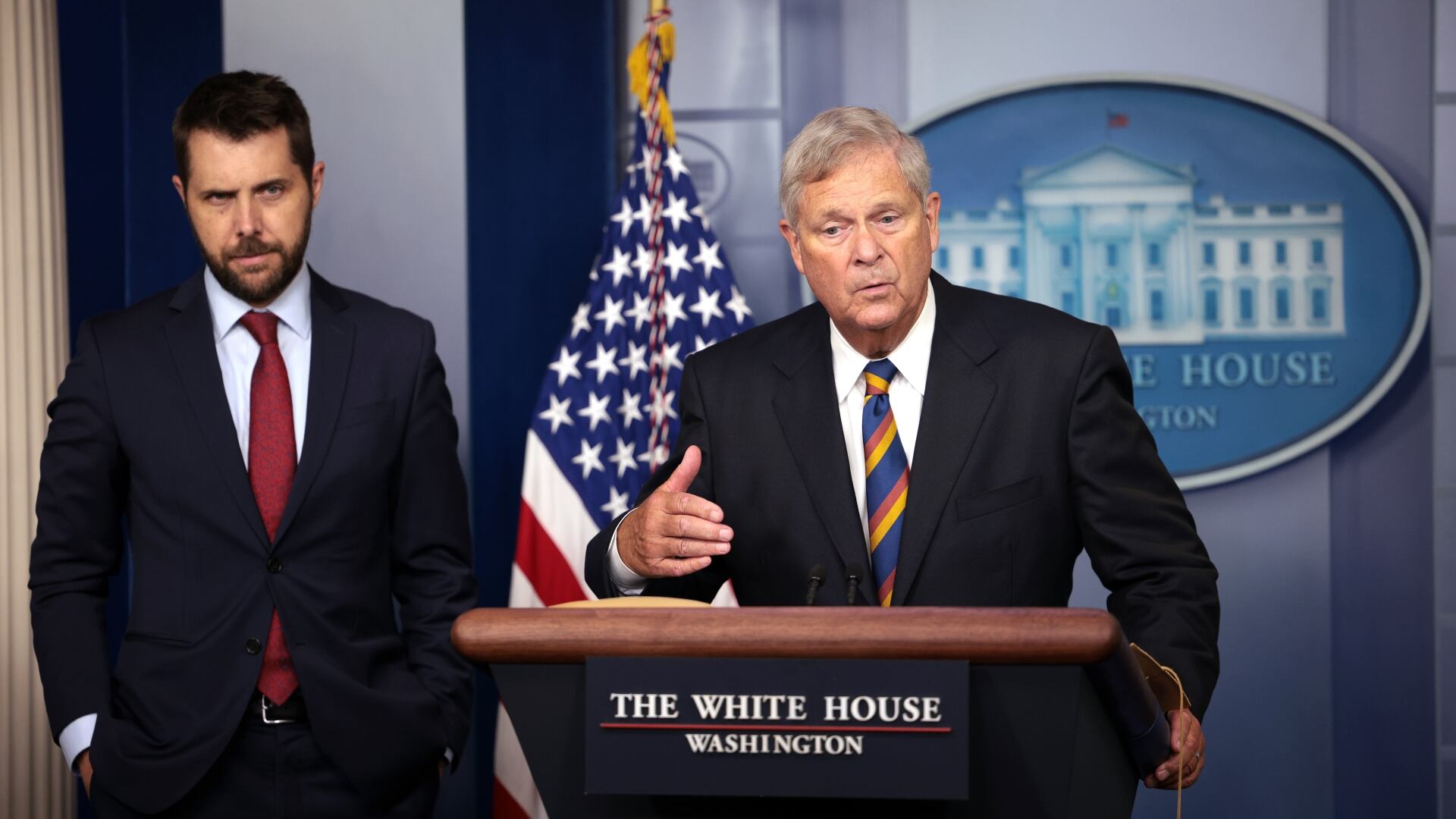
The United States Secretary of Agriculture, Tom Vilsack joins None of the Above to discuss the newly emerging conflict in Europe, what it means for agriculture in the states, dairy and meat consumption, and how the department is planning to promote climate-smart agriculture.
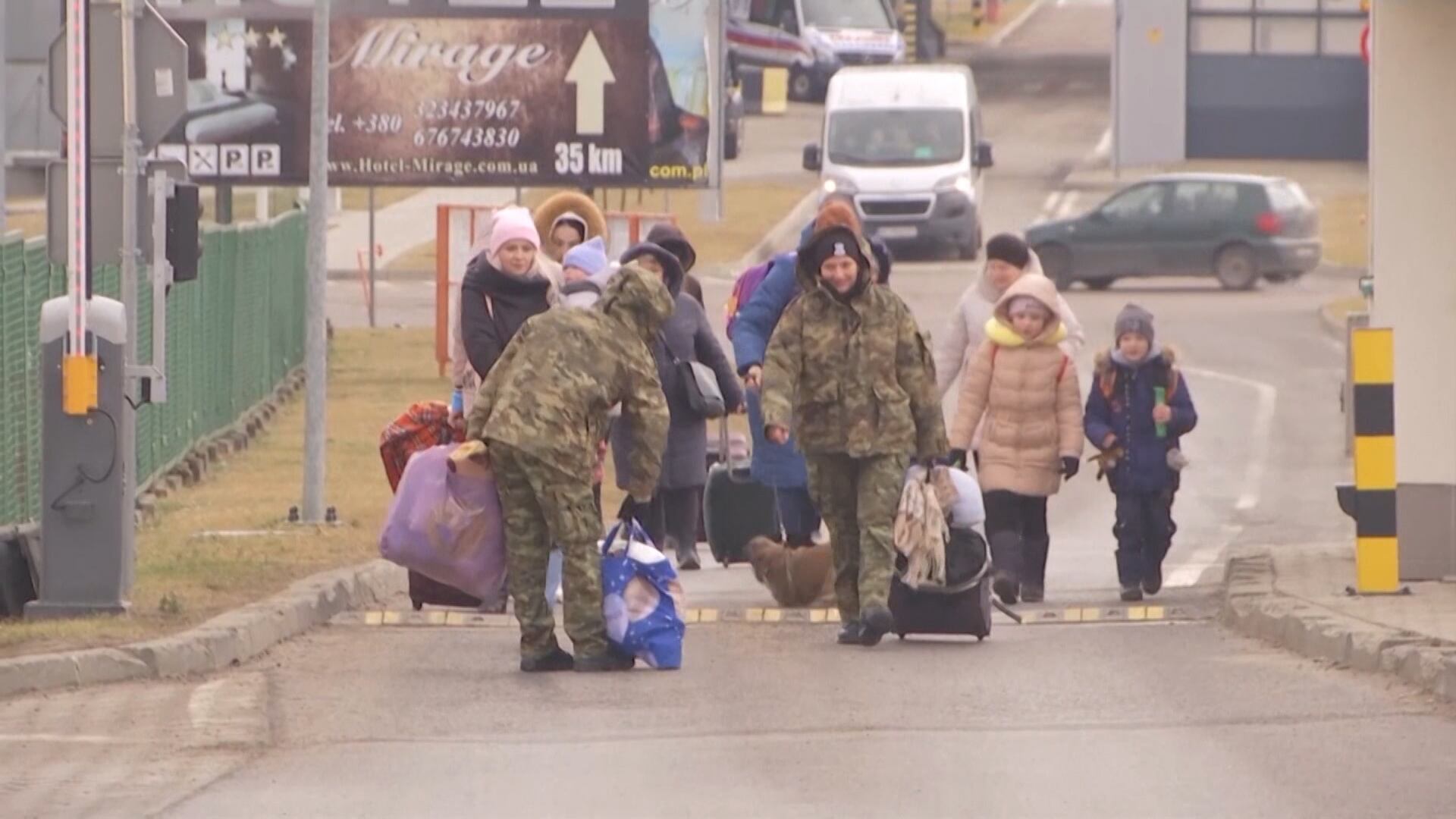
Tens of thousands of people have fled Ukraine in attempts to escape the Russian Invasion. According to the U.N. neighboring countries like Poland, Hungary, and even Romania have seen half a million refugees. While the hospitality is being welcomed by many, it also highlights the mistreatment of migrants and refugees from the Middle East and Africa. Professor of Philosophy and Director of Politics at Northeastern University Serena Parekh, joined Cheddar, to discuss more.
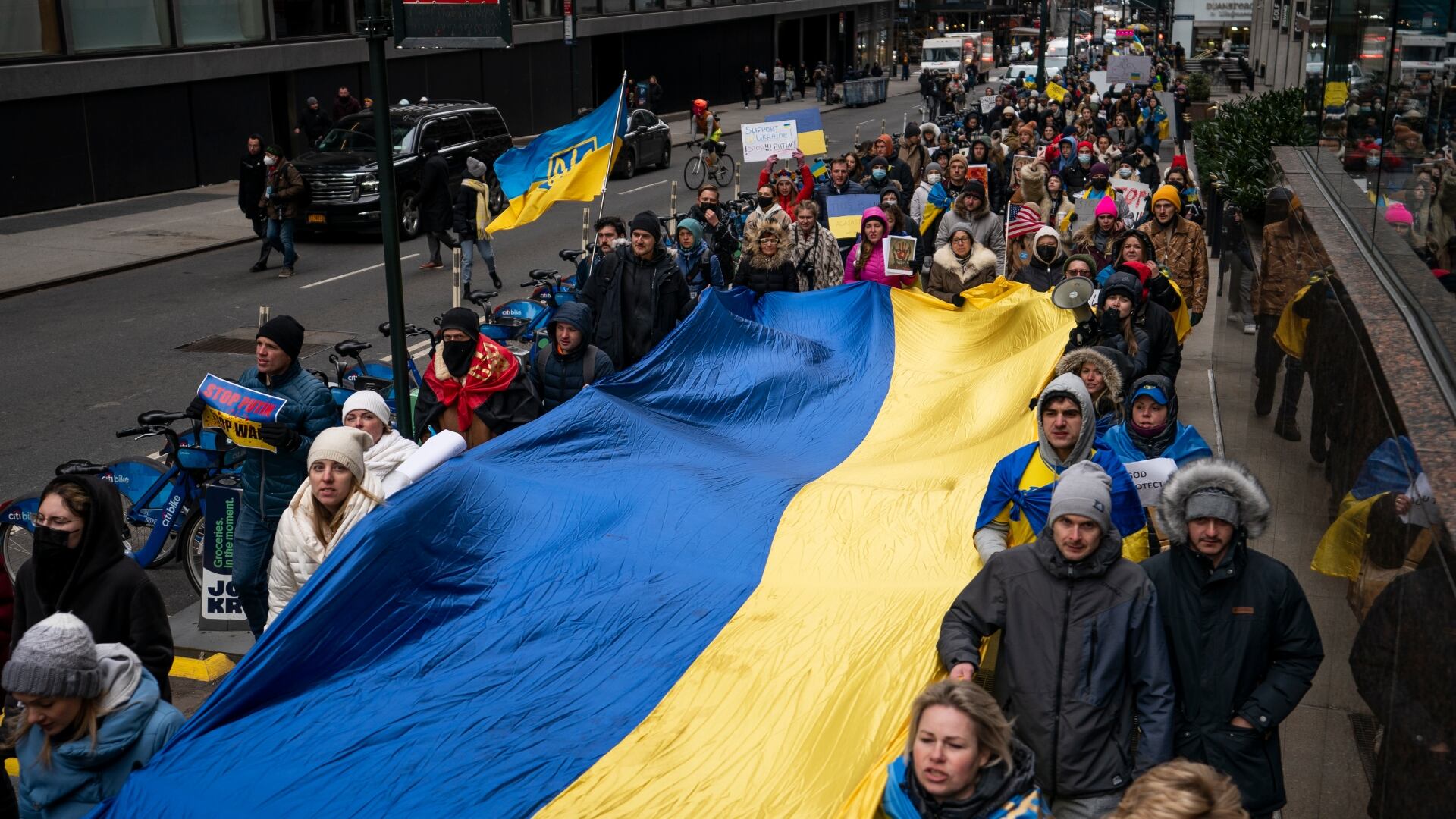
As Russia unleashed war in the country of Ukraine, global leaders have started inflicting punishment on Vladimir Putin's regime via commercial and financial penalties. According to President Joe Biden Putin's aggression is "a flagrant violation of international law and it demands a firm response from the international community".However, the main question is will these sanctions actually work. Partner at Jenner & Block LLP, Rachel Alpert, joined Cheddar to discuss more.