Daniel Di Martino planned to spend this summer packing up his life in Kentucky for a big move to New York City. He is scheduled to start a Ph.D. program in economics at Columbia University in the fall.
But with many universities still undecided about how to tackle the fall semester, he is caught in a kind educational limbo.
"I just know I'm going to stay here in Kentucky until the end of August," he said, echoing the uncertainty felt by so many people across the country navigating a new normal.
However, Di Martino has an added concern: he is an international student. Originally from Venezuela, he has been studying and working in the United States on a student visa for the past four years, but now the rules for visa-holders are changing, leaving Di Martino to question his future in the country.
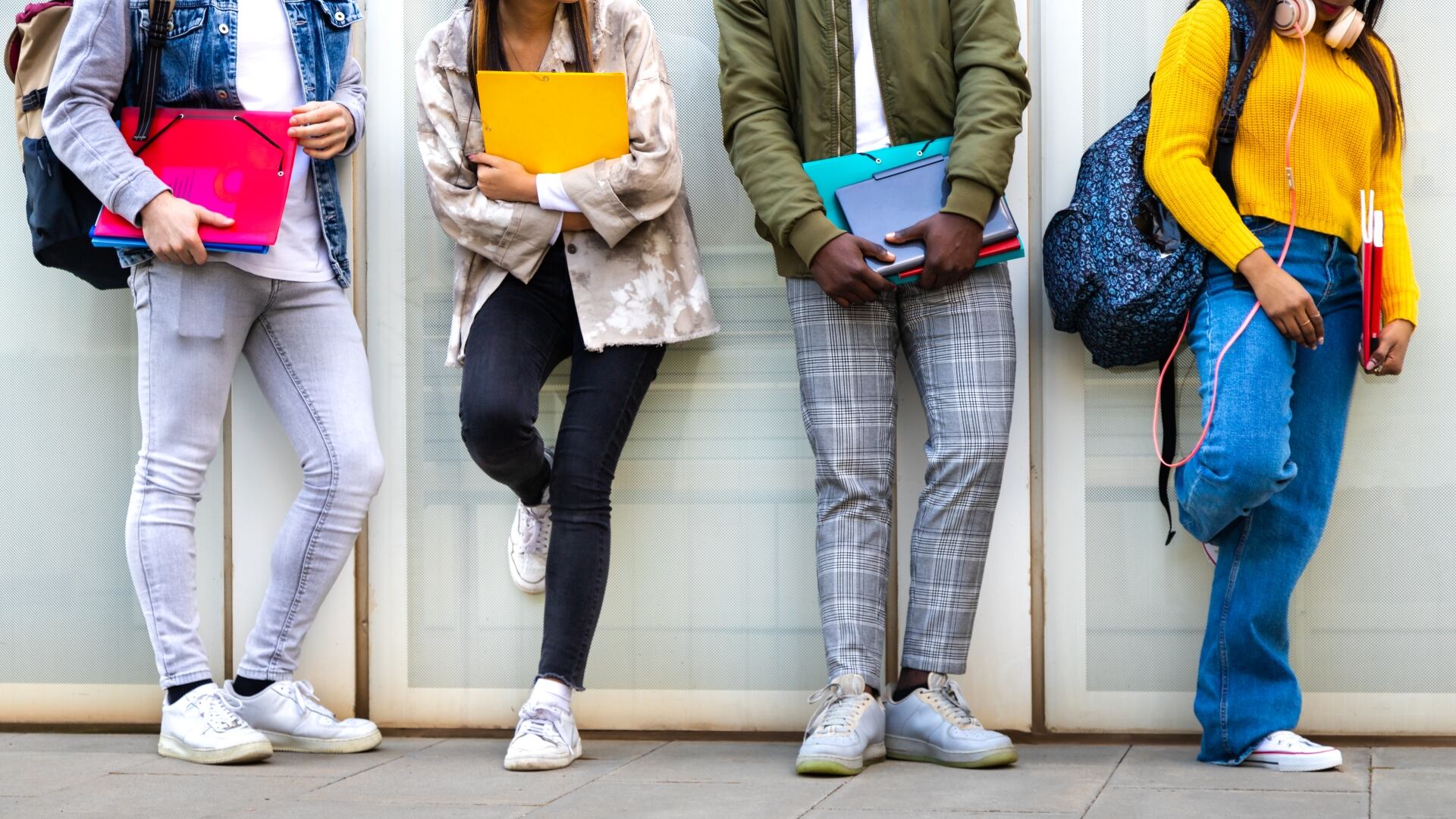
Immigration and Customs Enforcement, the agency that oversees student visas, just released new guidelines for international students, which say that if an international student is enrolled in a program that decides to go fully virtual, they must leave the county.
The rule states: "Active students currently in the United States enrolled in such programs must depart the country or take other measures, such as transferring to a school with in-person instruction to remain in lawful status. If not, they may face immigration consequences including, but not limited to, the initiation of removal proceedings."
It also prohibits students who are not already in the U.S. from entering the country if their schools provide classes only online.
The policy shift comes as schools are releasing plans for the fall semester, many of which focus on online learning as a health and safety measure to combat the spread of coronavirus.
Caught in the middle are international students like Di Martino whose lives, homes, and futures are in the United States.
"Logistically, this is a disaster for people," Di Martino said. "I have all my belongings here in Kentucky."
"It would be much easier to move all my things to New York, which was my plan, or to stay in Kentucky," he explained.
Two years ago, Di Martino's parents moved from Venezuela to Spain to join family there. If he is forced to leave the U.S., he will be moving to a country he has never lived in at a time when his family has been hit especially hard by the coronavirus.
"My grandfather died two and a half months ago of COVID-19 in Spain. My family owns a restaurant and they had to close down because of the pandemic," Di Martino expressed.
He has economic concerns about joining his family in Spain as well.
"How am I going to live for six months or a year in Spain," he wondered. "What am I going to do for money?"
There are also just simple realities. For instance, students attending a university in the United States while living in a different time zone will have to adjust their schedules, sometimes dramatically.
"Six hours [between New York and Spain] is a little compared to what students from China and India are going to go through," he remarked.
Some countries may not have the same access to infrastructure to support higher education in a virtual environment. Di Martino worries about his fellow Venezuelans who will effectively be unable to stay in school while in the South American country.
"They will literally not be able to see classes. There is no internet. The internet goes off pretty often. You don't even have enough data on your cell phone," he explained.
Separate from logistical issues, Di Martino also worries that these guidelines may have far-reaching consequences beyond just the semester ahead.
"Even if this rule were to be withdrawn, the damage is already done. International students are not going to even apply to the United States anymore," he warned.
International students, like Di Martino, contribute about $45 billion to the U.S. economy every year, according to the Department of Commerce.
A major loss of international students could also have an outsized impact on local economies. More than one million international students matriculate at U.S. colleges and universities annually. While universities with large endowments can weather the loss of those overseas dollars, most small-town schools that recruit heavily internationally cannot take that kind of hit and could face closure, further widening the gap of higher education access across the country.
Plus, Di Martino highlights another lost opportunity: The experience of learning from international students would be gone if students are unable to stay.
"We're going to teach American students. They're going to learn from us," he explained, saying graduate students bring their experiences to the classrooms they lead. Even undergraduate students will benefit from spending time with students from different backgrounds: "Most Americans don't get to study abroad. But they get to learn about the rest of the world from us."
Now, Di Martino and a million other students wait in limbo for their colleges to decide how to balance keeping international students in the U.S. with keeping them safe in the classroom.
"If the goal of this policy is to force universities to reopen, there's no reason to play with people's lives like this."