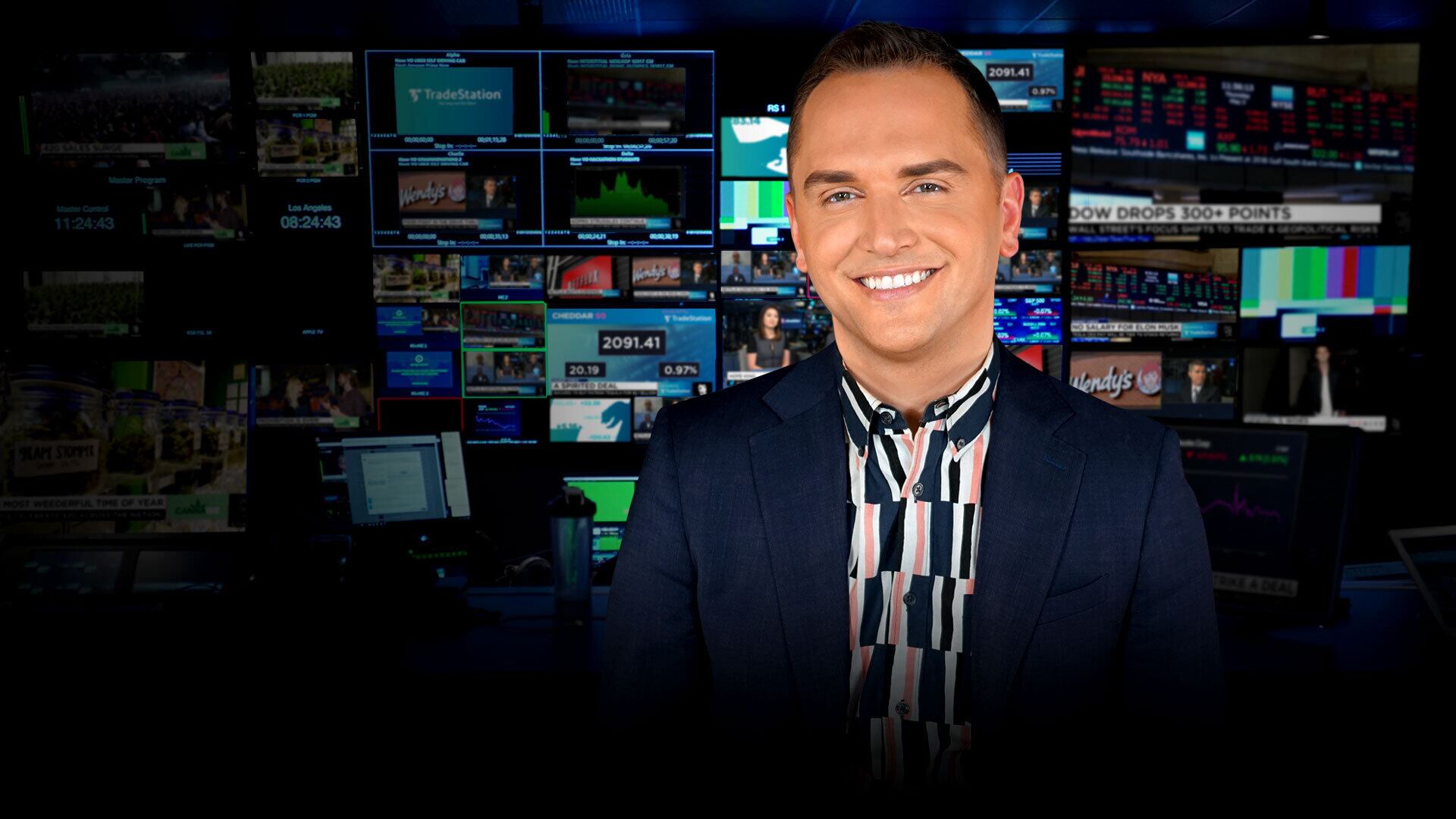
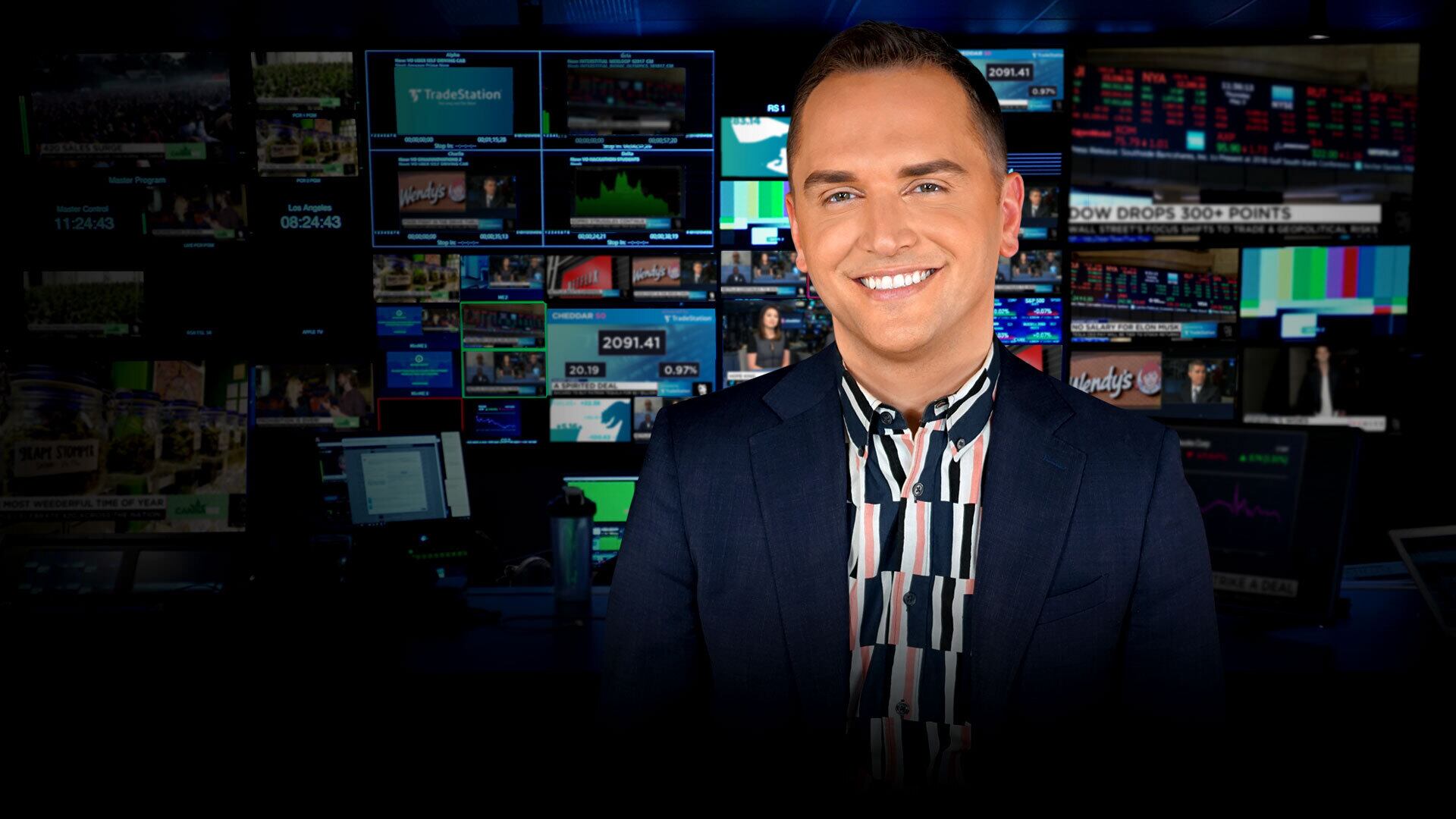
VNTANA is leading the industry in creating AR holograms that not only appear life-like, but can also interact. Alyssa Julya Smith went to VNTANA's studios in Los Angeles to see how these holograms really work, and had a chance to interact with them as well.
CEO and co-founder Ashley Crowder explains that the holograms are images projected from a monitor, but they can actually move and look extremely human-like. VNTANA has made holograms of movie actors and sports stars that people can actually move with and dance alongside as an interactive display.
VNTANA also recently released its A.I. hologram concierge service. It works to help consumers in any industry with answers to questions about products and services. The consumer stands in front of the hologram display and the concierge greets them with a custom message. The consumer asks a question, the hologram listen, and immediately responds appropriately. The system also uses facial recognition to track consumer data and determine product preferences.
Activision Blizzard on Thursday released its first annual report on diversity and inclusion, and the results showed that the company has a long way to go before hitting its goals.
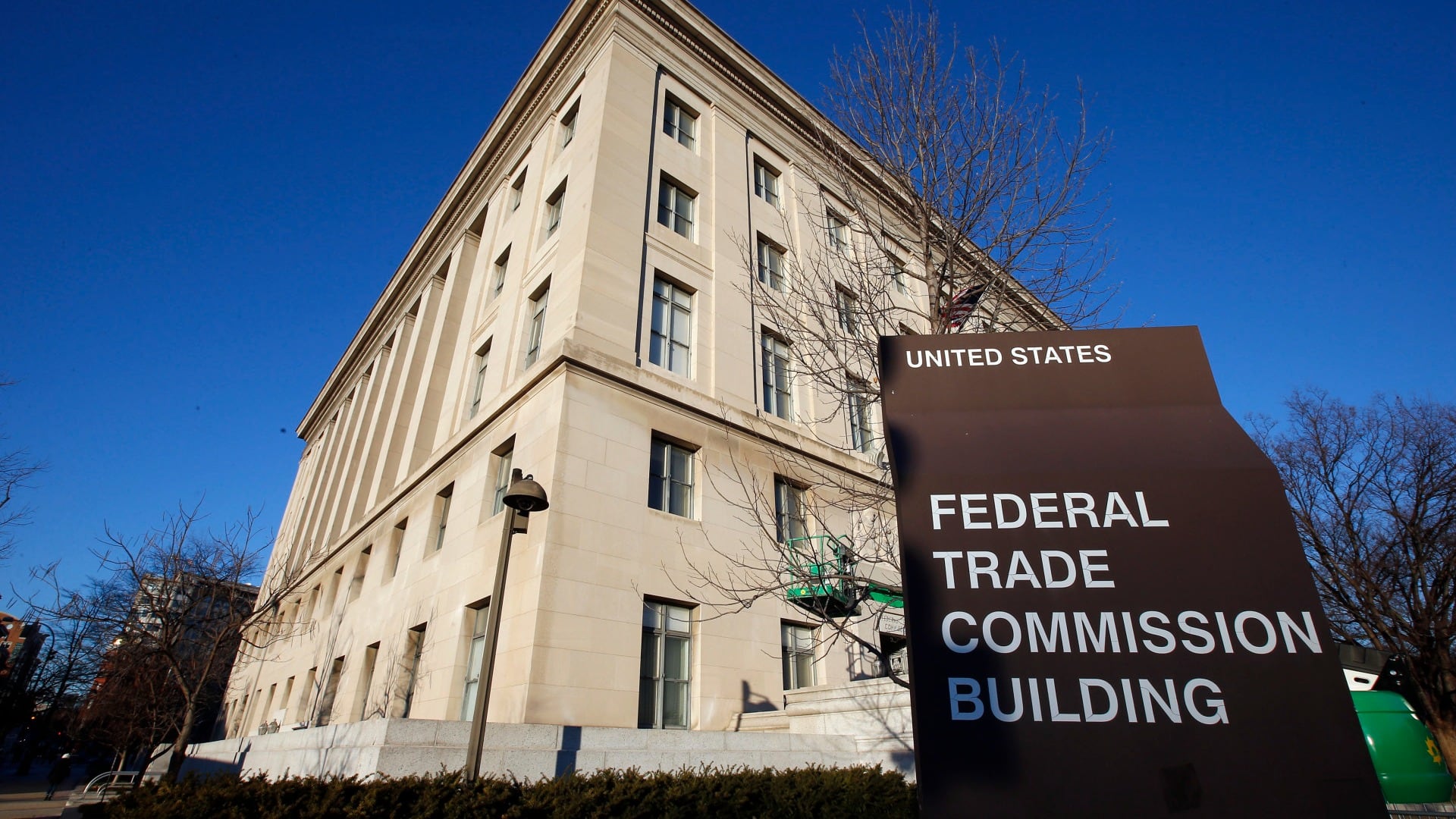
The Federal Trade Commission (FTC) has proposed a new rule that would make it easier for consumers to cancel free subscriptions. The so-called "click to cancel" provision requires sellers to make it as easy for users to cancel subscriptions as it was to subscribe.
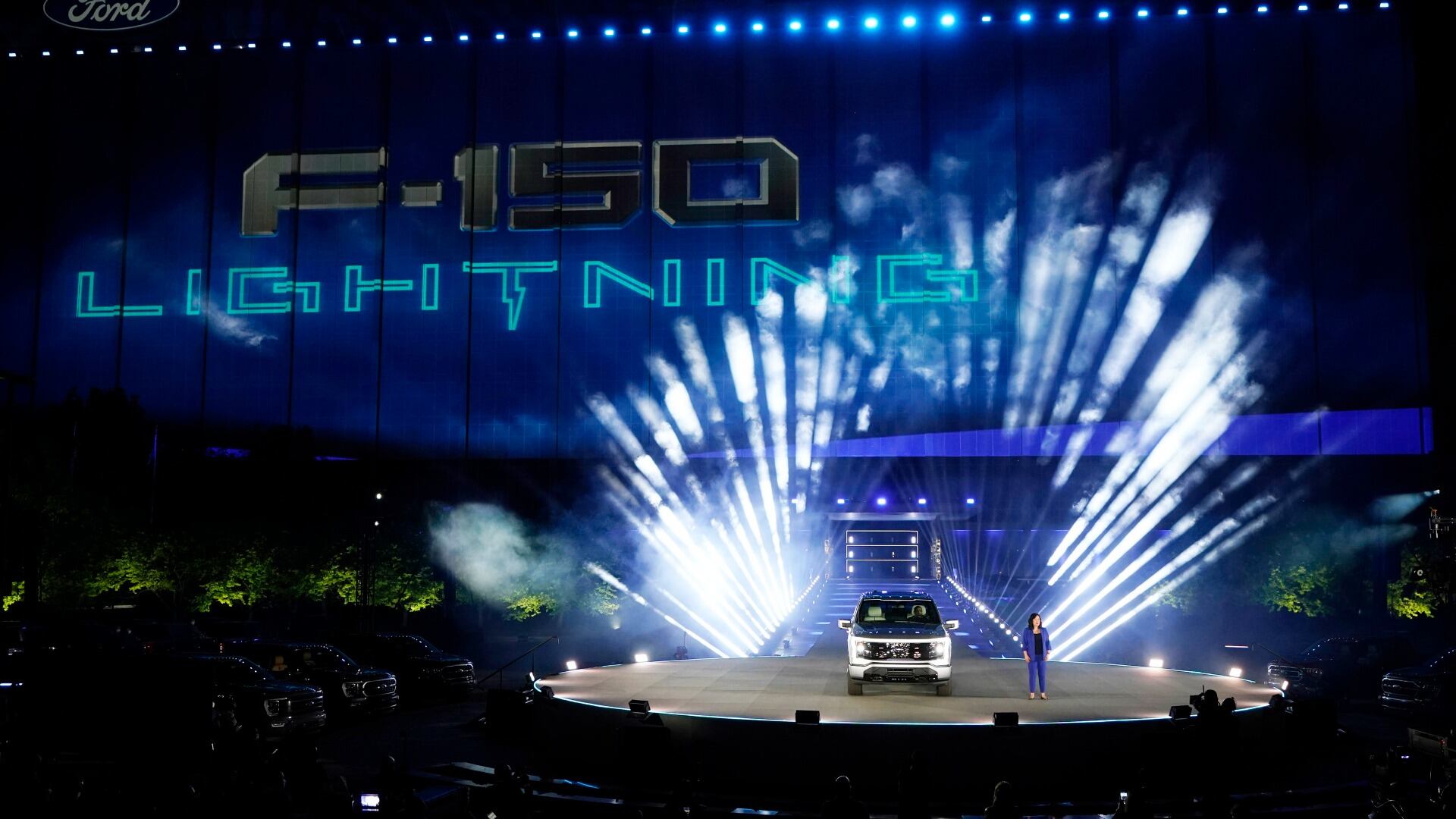
Ford's business will gradually transition from its internal combustion vehicles to battery electric vehicles, but combustion vehicles will continue to grow for the next few years, CFO John Lawler told Cheddar News.
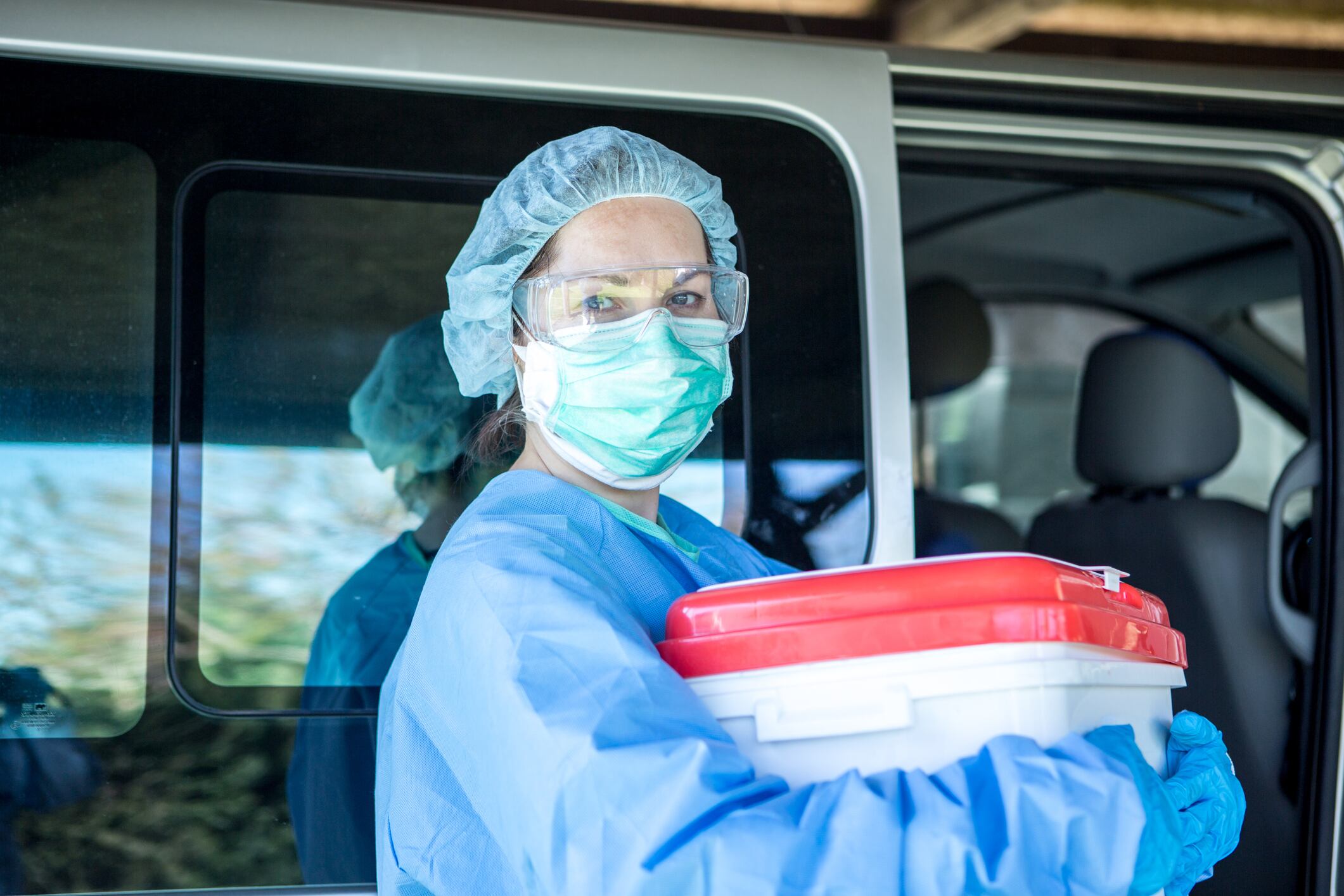
The U.S. Department of Health and Human Services has released a plan to overhaul the nation's organ transplant system, which has long been plagued by sometimes lethal delays and IT failures.