Mobileye, a subsidiary of Intel specializing in self-driving technology, is partnering with venture-backed startup Udelv to deliver 35,000 autonomous delivery vehicles by 2028.
"This partnership with Mobileye is literally a revolution in the industry," Daniel Laury, CEO and co-founder of Udelv, told Cheddar. "It's the first of its kind in the autonomous delivery world."
Udelv's autonomous vehicle, dubbed the Transporter, will employ Mobileye's vision-sensing technology to improve features such as pedestrian and cyclist detection and collision warning.
Laury said the Transporter will be outfitted to transport 80 percent of last-mile deliveries, from small items such as pharmaceuticals to bags of groceries and large auto parts.
The vehicle features "adaptive shelving" allowing an operator to add or remove shelves depending on the size of the items being delivered. The car also uses automated software to open on specific shelves within the van designated for each package.
Laury explained that last-mile deliveries make up 53 percent of the cost of logistics, with drivers on average making up 65 percent of that amount.
"By removing the driver, you're going to be generating billions in savings through the industry in general," he said.
This is where "Mobileye Drive" comes in. The self-driving system offers a full technology stack, including vast map coverage of North America, for Udelv to integrate into its Transporters.
Donlen, one of the largest commercial fleets in the U.S., has already pre-ordered 1,000 Udelve Transporters.
"Our deal with Udelv is significant for its size, scope and rapid deployment timeline, demonstrating our ability to deliver Mobileye Drive for commercial use now and in volume," said Mobileye President and CEO Amnon Shashua in a release. "COVID-19 has accelerated demand for autonomous goods delivery, and we are delighted to partner with Udelv to address this demand in the near term."
Transporters are set to start hitting streets in 2023.
Not only is April Financial Literacy Month, it’s also the kickoff of the spring homebuying season. So now is the time to make sure you have a financial plan in place – and why it might not be wise for that to include buying your first home.
While the U.S. may slowly be on the path to lowering inflation (and therefore interest rates), Europe has thoroughly trounced America, putting it on the path to lower rates by this summer.
April's release of the monthly Housing Starts and Building Permits reports by the Census Bureau provides crucial insights into the construction activity in the housing market. These reports are an economic indicator, shedding light on the current state of the housing market and its broader economic impact.
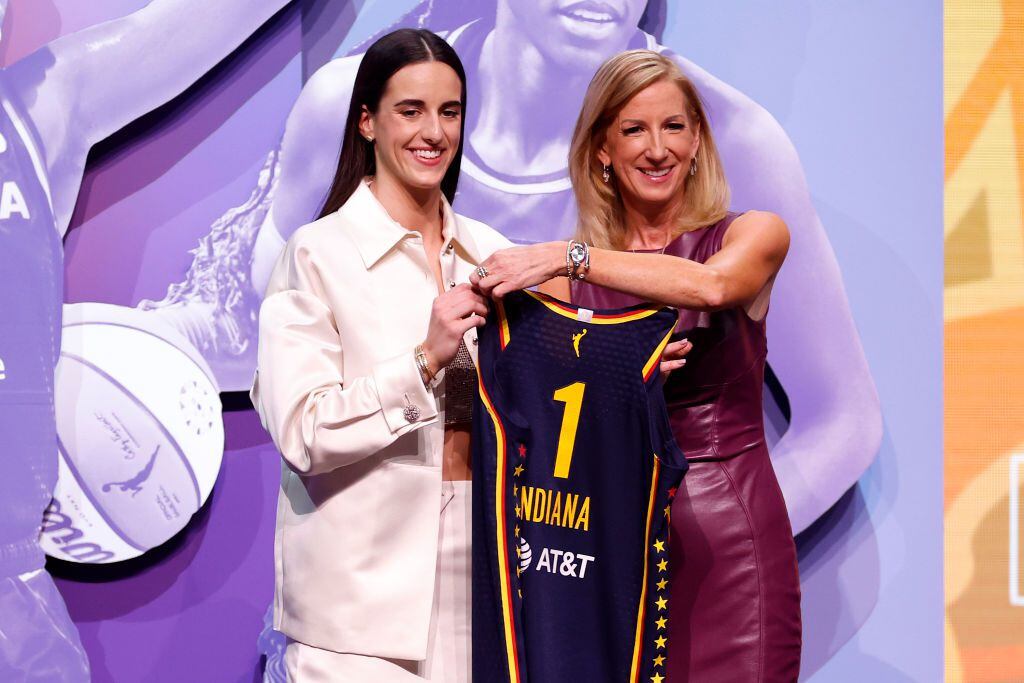
Caitlin Clark is heading to the Indiana Fever, the number one draft pick and the highest-scoring college basketball player of all time. And while she may not be getting millions from the WNBA, there's a few ways she'll net compensation for her generational talents.
Author of 'Clean Meat,' Paul Shapiro joins Cheddar to discuss how the cellular agricultural revolution helps lower rates of foodborne illness and greatly improves environmental sustainability. Plus, how his company The Better Meat Co. is bringing healthier food options to the table.
Recent headlines might make it sound like World War III is imminent, but when it comes to your finances, it's not the time to panic. The market is coming off its longest winning streak since 2011.
You may have noticed fewer new venture capital-backed startups (like Airbnb or Uber) lately. The market slowed to a crawl after 2021, but things are expected to take off again in 2025.
Corporate earnings season is underway, that time when companies share their billions in sales or double-digit profits. But the data shows even companies are struggling with high inflation and interest rates.
Boeing continues their terrifying trend of having their planes fall apart mid-flight, inflation — checks notes — is still up and the future of AI looks terrifying. Cheery!
Food waste – uneaten scraps or leftovers sent to landfills – is responsible for 10% of global emissions. Mill, a new product from the co-founder of Nest, thinks technology can play a role in eliminating it.