*By Jacqueline Corba*
Voters are effectively pressuring lawmakers on both sides of the aisle to publicly support the easing cannabis laws, said the deputy director of the National Organization for Marijuana Laws.
In an interview Tuesday with Cheddar, the deputy director, Paul Armentano said politicians were realizing that marijuana enjoyed greater popularity than they did.
"With the midterm elections approaching, more and more members of Congress from both parties now acknowledge that advocating for marijuana policy reform is not a political liability, rather its a political opportunity," said Armentano.
Last Friday ー on 4/20, of all days ー Sen. Chuck Schumer, Democrat of New York and the minority leader, introduced a bill to decriminalize weed. A few days earlier, the majority leader, Sen. Mitch McConnell of Kentucky, had introduced a bill to remove hemp from the list of controlled substances.
Senators Kamala Harris (D-CA) and Orrin Hatch (R-UT) have called on Attorney General Jeff Sessions to stop using federal anti-drug laws to block medical marijuana research. And even President Trump changed his tune last week when he promised Sen. Cory Gardner, a Colorado Republican, he would support legal protections in states where marijuana is legal.
A majority of Americans ー 60 percent, according to a Pew Research Center poll ー said they support marijuana legalization.
For full interview, [click here](https://cheddar.com/videos/inside-the-momentum-driving-politicians-to-back-cannabis).
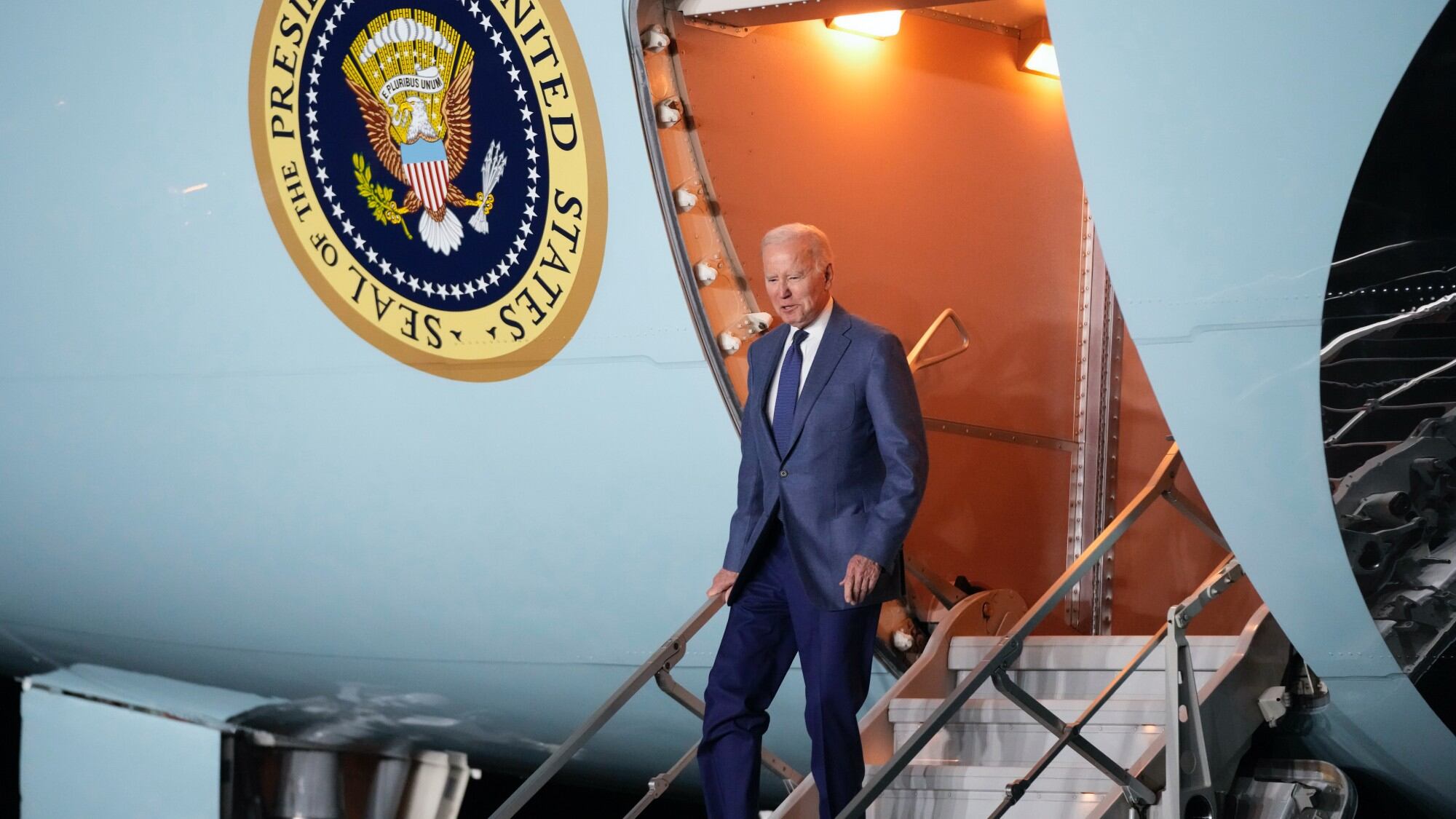
In Ireland this week, well-wishers have lined the streets to catch a mere glimpse of President Joe Biden. Photos of his smiling face are plastered on shop windows, and one admirer held a sign reading, “2024 — Make Joe President Again.”
A Massachusetts Air National Guardsman has appeared in court, accused in the leak of highly classified military documents.
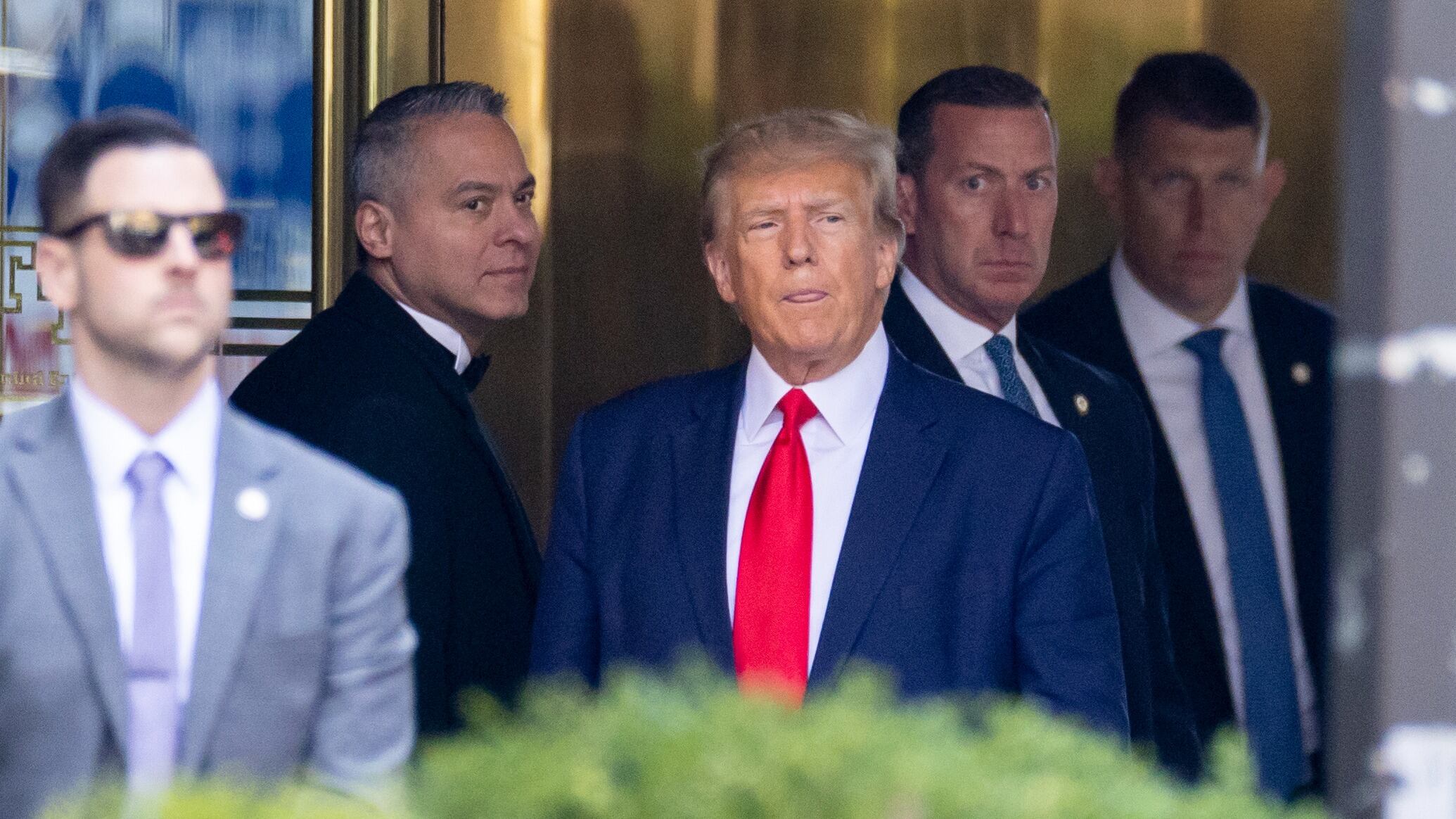
Former President Donald Trump answered questions for nearly seven hours Thursday during his second deposition in a legal battle with New York's attorney general over his company's business practices, reversing an earlier decision to invoke his Fifth Amendment protection against self-incrimination and remain silent.
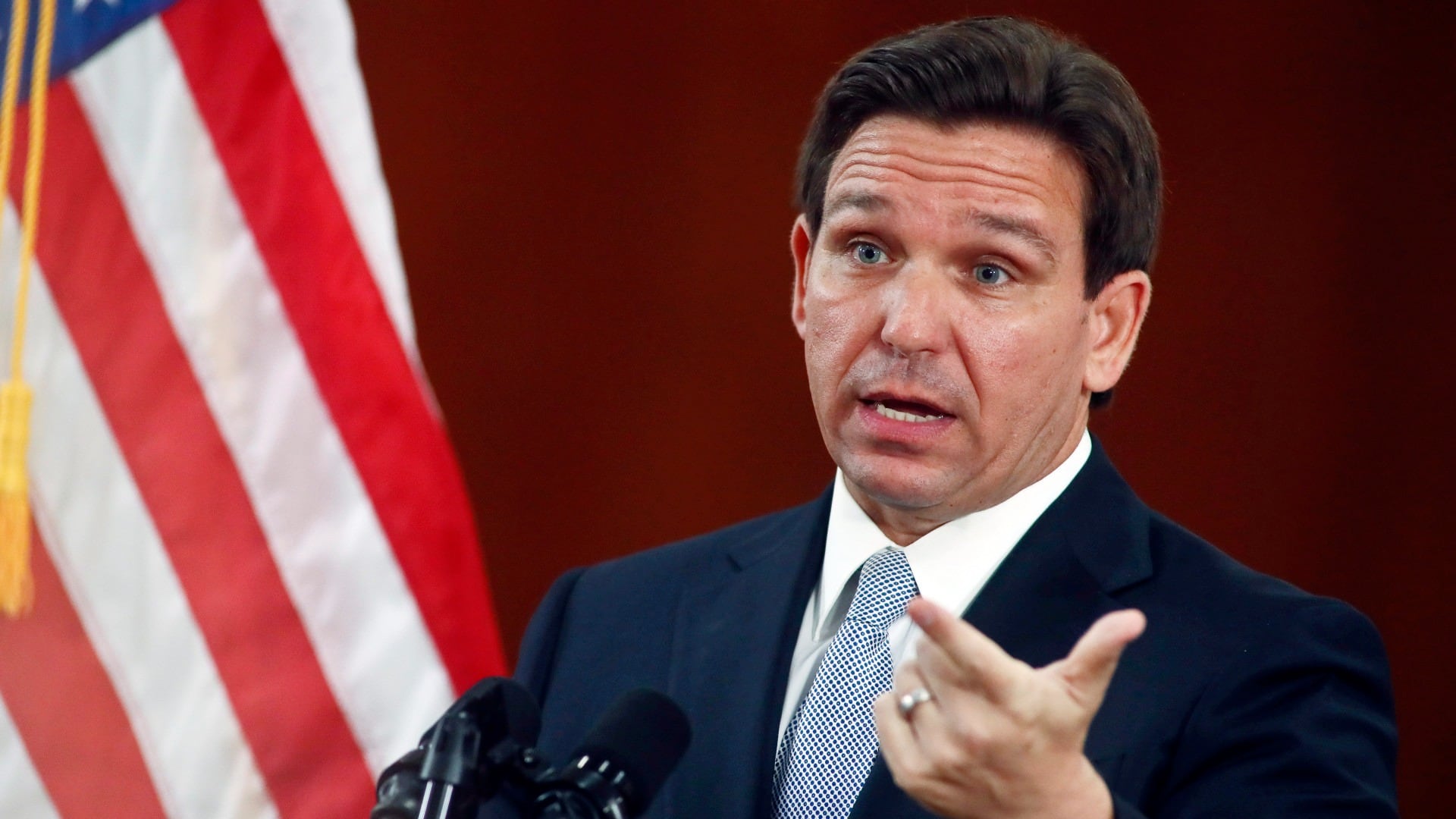
Republican Gov. Ron DeSantis has signed into law a bill approved by the Republican-dominated Florida Legislature to ban abortions after six weeks of pregnancy.
The legislation would ban abortions after a period when many women don't know they're pregnant yet.
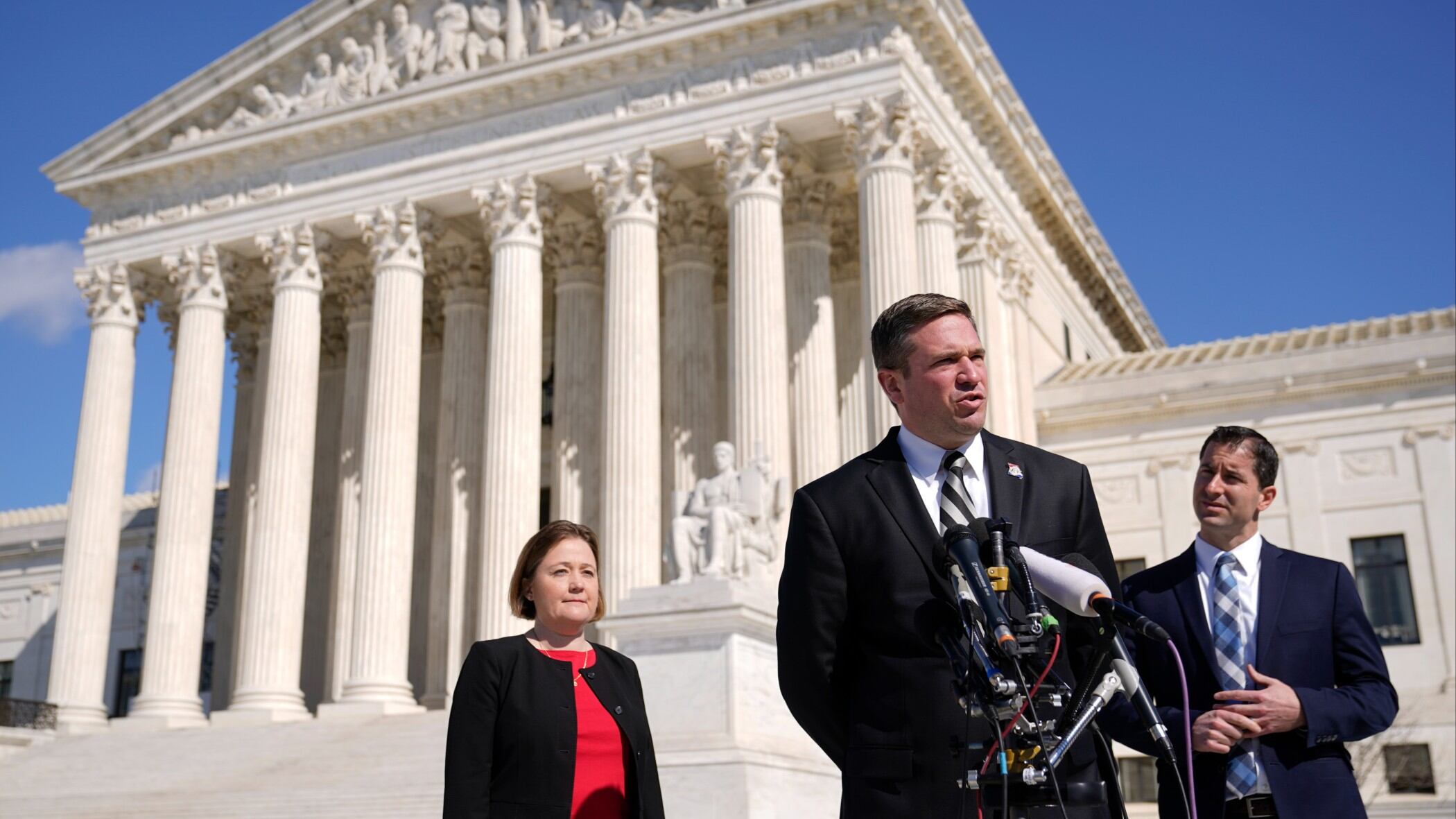
The attorney general's new restrictions on gender-affirming care is believed to be the first that also restricts adults, not just minors.
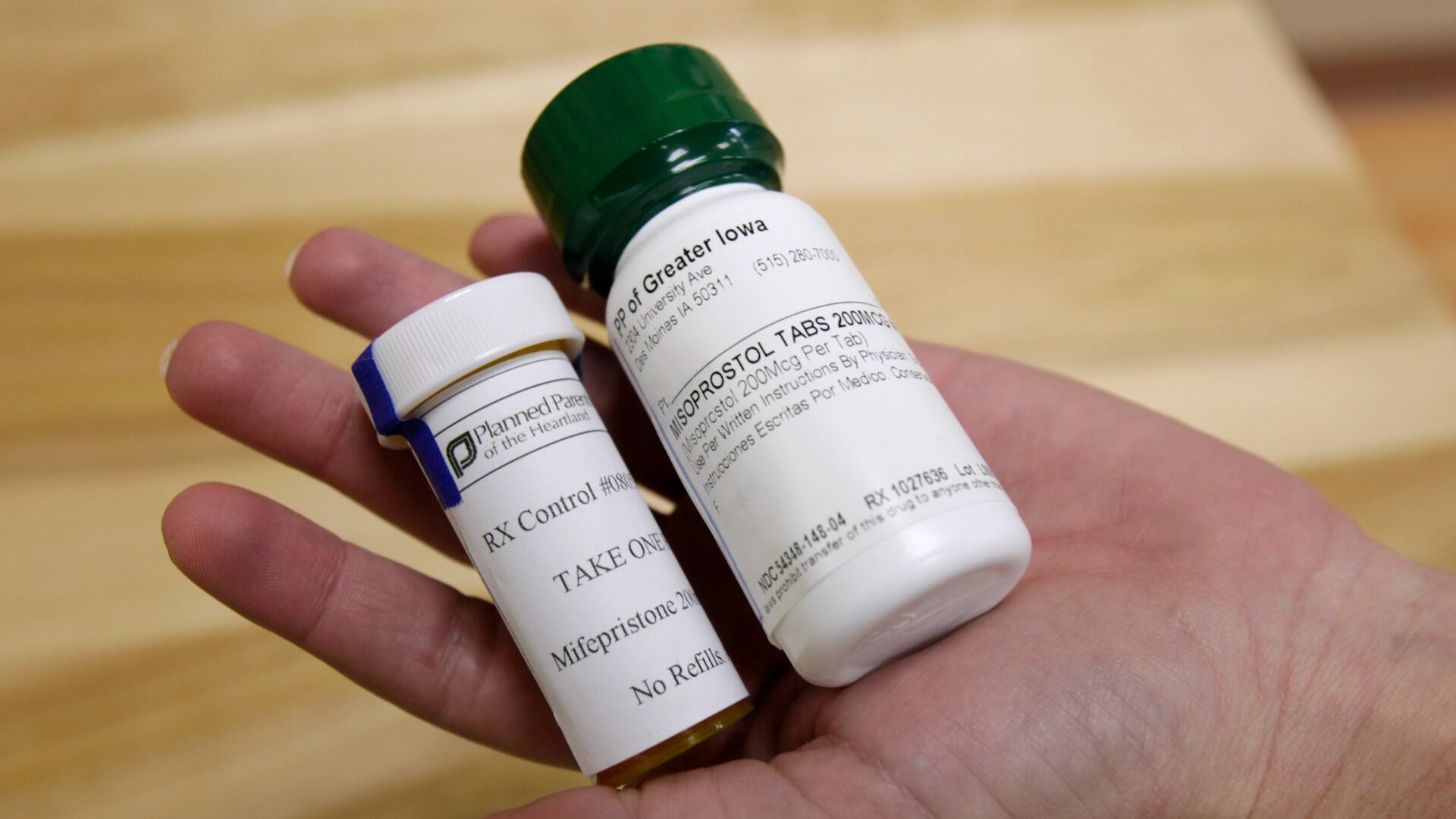
A federal appeals court has ruled that the abortion pill mifepristone can still be used for now but reduced the period of pregnancy when the drug can be taken and said it could not be dispensed by mail.
EPA Proposes Stringent Emissions Standards on Automakers in Effort to Reduce Pollution
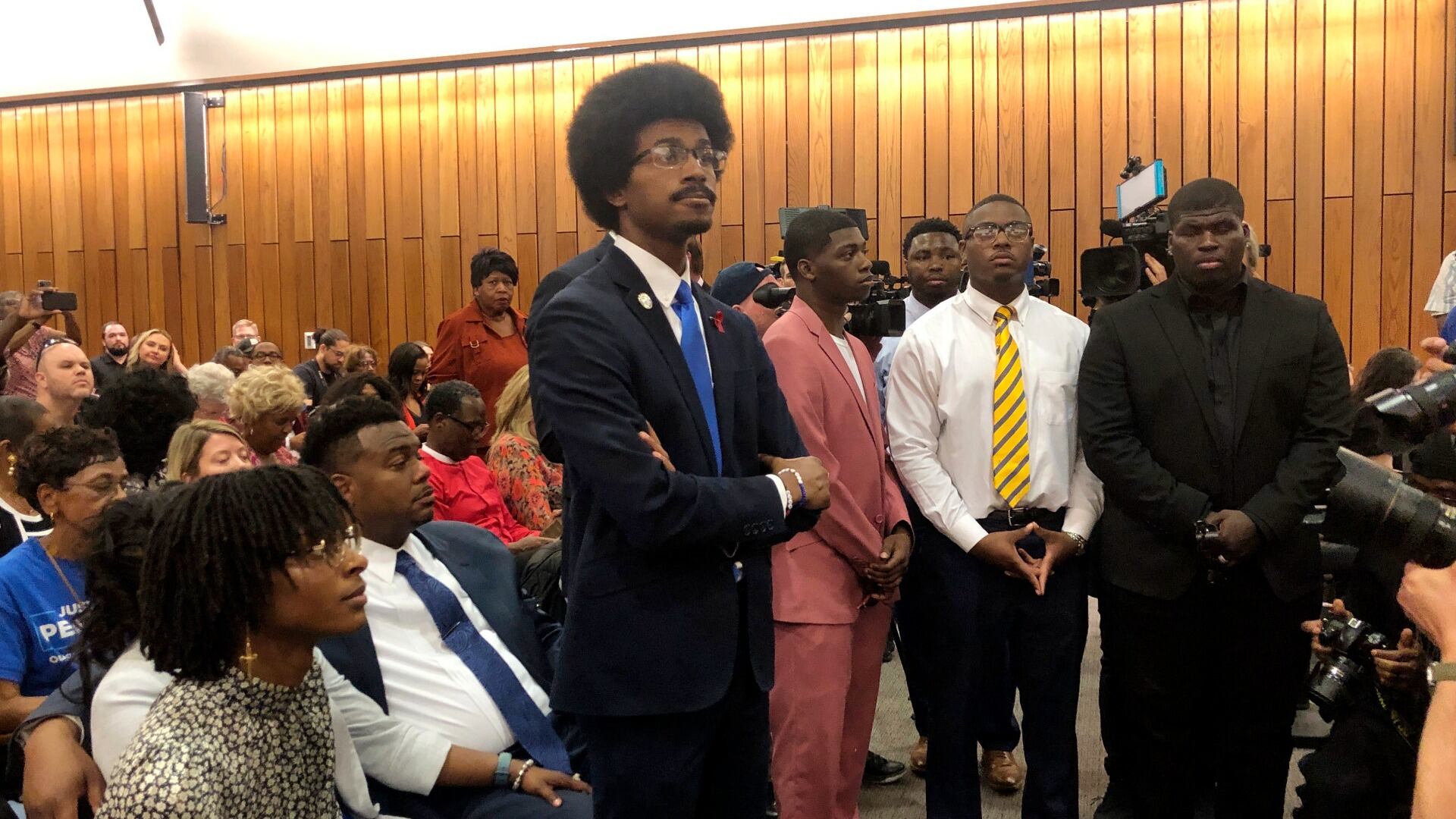
The second of two Black Democrats expelled from the Republican-led Tennessee House will return to the Legislature after a Memphis commission voted to reinstate him Wednesday.
Some abortion clinics are fielding lots of calls from patients since a court ruling last Friday threatened the availability of a main drug used in medication abortion, mifepristone.