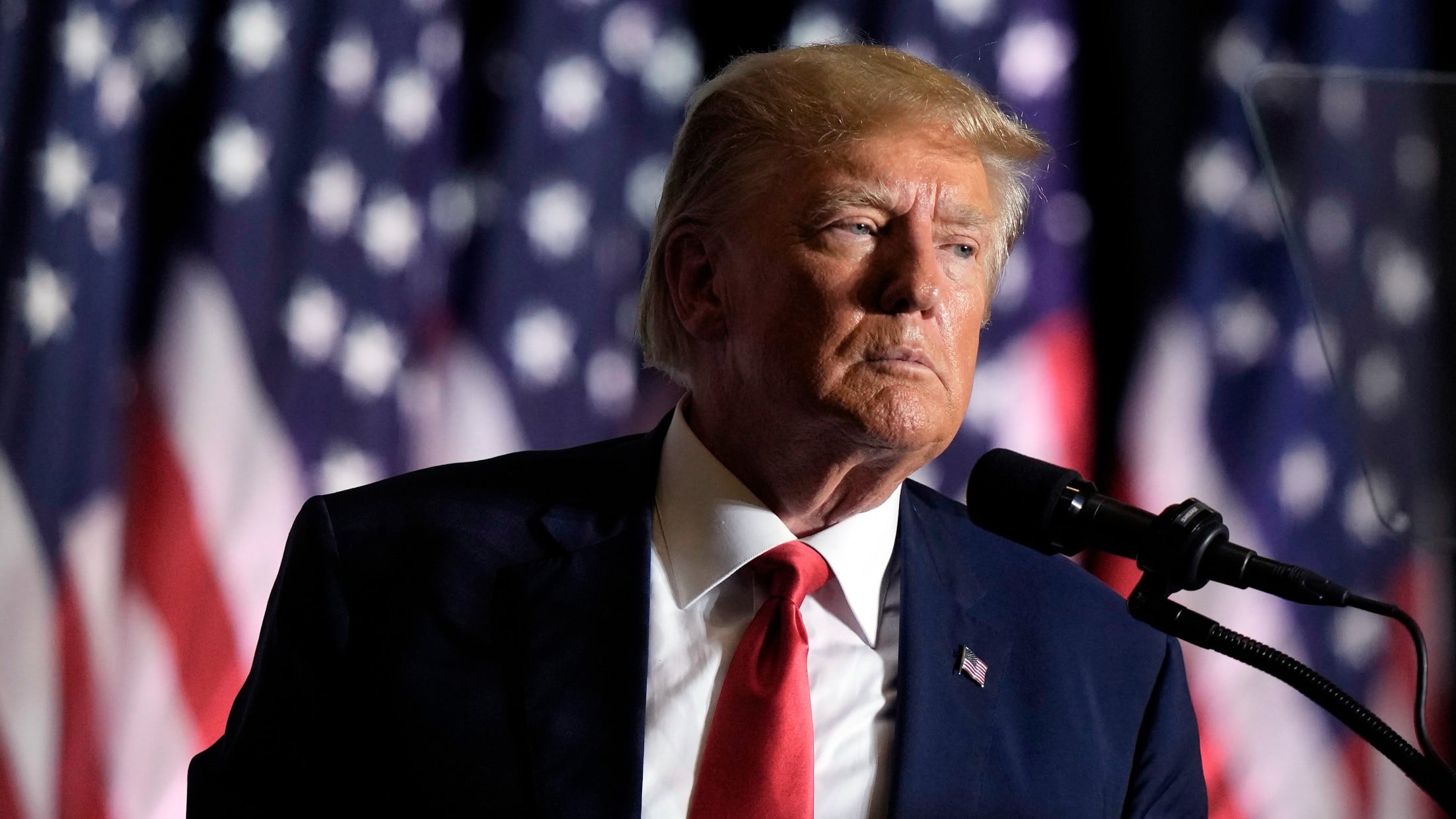
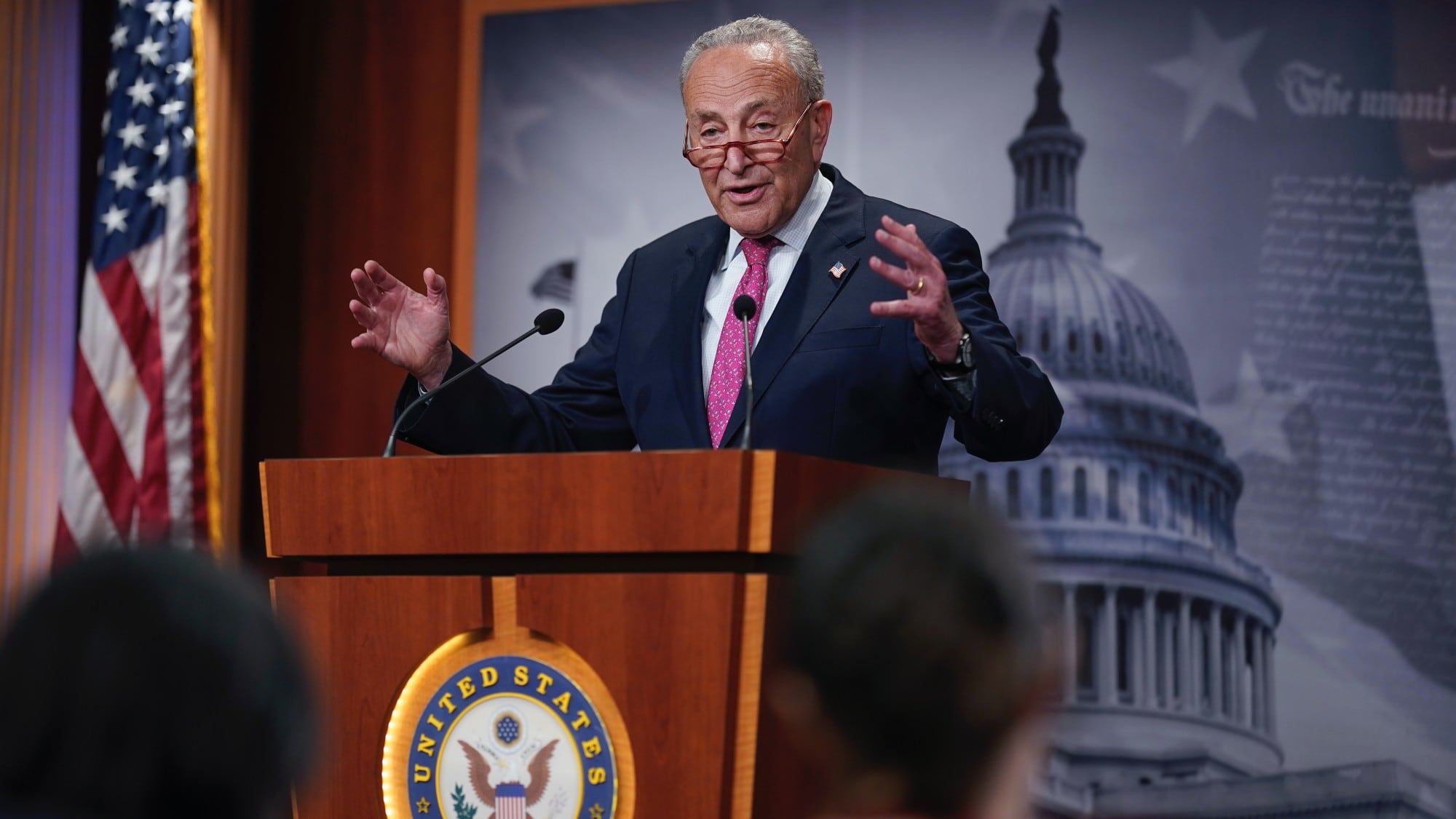
*By Jacqueline Corba* Voters are effectively pressuring lawmakers on both sides of the aisle to publicly support the easing cannabis laws, said the deputy director of the National Organization for Marijuana Laws. In an interview Tuesday with Cheddar, the deputy director, Paul Armentano said politicians were realizing that marijuana enjoyed greater popularity than they did. "With the midterm elections approaching, more and more members of Congress from both parties now acknowledge that advocating for marijuana policy reform is not a political liability, rather its a political opportunity," said Armentano. Last Friday ー on 4/20, of all days ー Sen. Chuck Schumer, Democrat of New York and the minority leader, introduced a bill to decriminalize weed. A few days earlier, the majority leader, Sen. Mitch McConnell of Kentucky, had introduced a bill to remove hemp from the list of controlled substances. Senators Kamala Harris (D-CA) and Orrin Hatch (R-UT) have called on Attorney General Jeff Sessions to stop using federal anti-drug laws to block medical marijuana research. And even President Trump changed his tune last week when he promised Sen. Cory Gardner, a Colorado Republican, he would support legal protections in states where marijuana is legal. A majority of Americans ー 60 percent, according to a Pew Research Center poll ー said they support marijuana legalization. For full interview, [click here](https://cheddar.com/videos/inside-the-momentum-driving-politicians-to-back-cannabis).