Inside the Legal Ramifications of Trump's Attempt to Fire Mueller
President Trump reportedly ordered the firing of Robert Mueller over the summer but reversed course after the White House special counsel threatened to resign. That's according to a recent report in the New York Times. Fordham University Law Professor Jed Shugerman explains the potential legal ramifications of these revelations.
"This now becomes part of a longer timeline for Mueller," said Shugerman. "The statue that covers obstruction of justice depends upon proving that there was a corrupt intent. So the more events that show a corrupt intent the stronger the case would be."
Former White House Communication Director Anthony Scaramucci took to Twitter, tweeting "...@POTUS should be able to have a private conversation with WH Counsel without the content being leaked." Shugerman says presidents can have private conversations, but they cannot conspire to commit felonies.
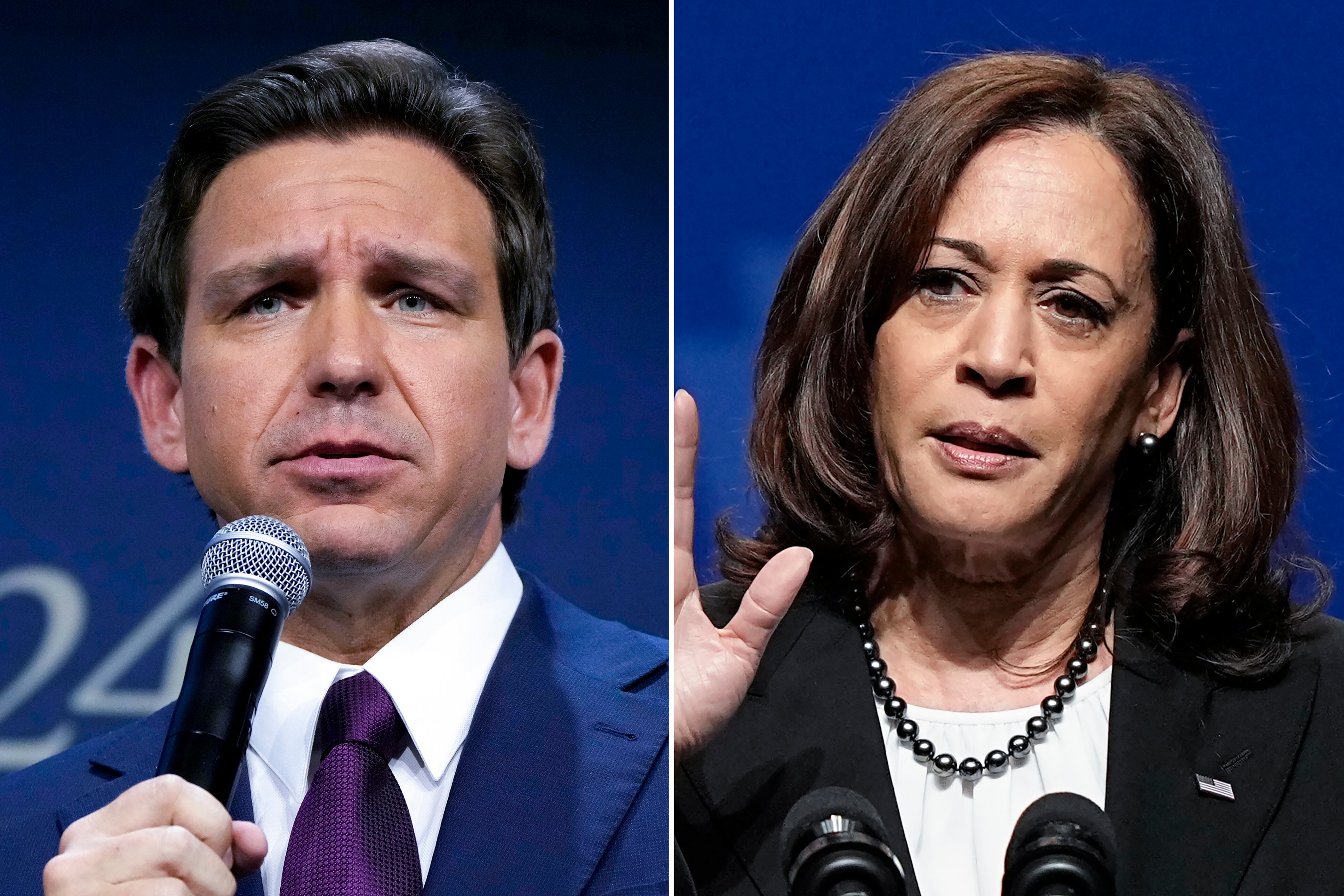
Vice President Kamala Harris has publicly declined Florida Gov. Ron DeSantis' invitation to debate new standards in Black history education in Florida.
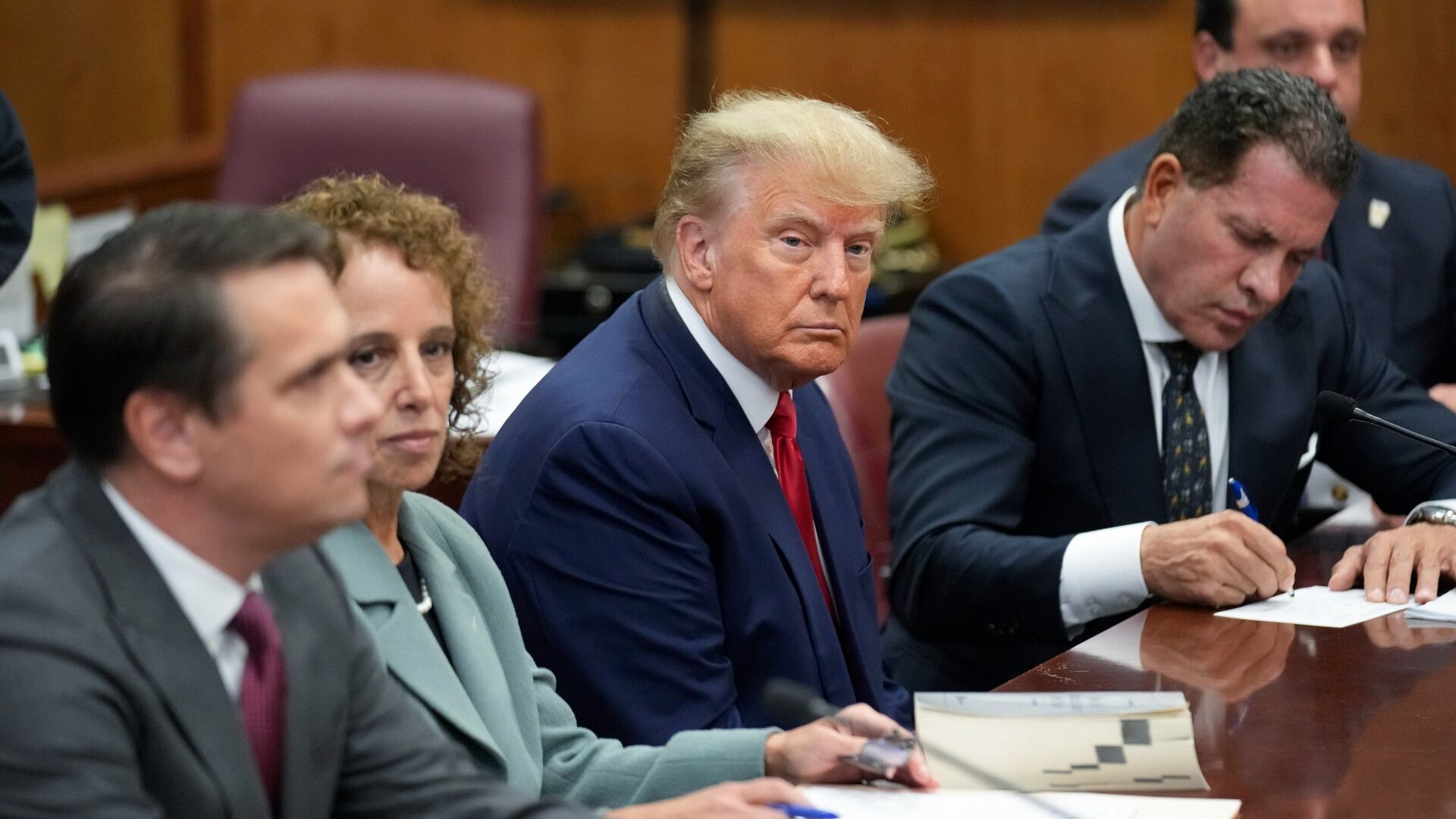
The Justice Department's four-count indictment Tuesday accuses the former president of assaulting the underpinnings of democracy in a frantic but ultimately failed effort to cling to power.
Thousands of Marines backed by advanced U.S. fighter jets and warships are slowly building up a presence in the Persian Gulf. It’s a sign that while America’s wars in the region may be finished, its conflict with Iran over its advancing nuclear program continues to worsen, with no solutions in sight.
President Joe Biden has decided to keep U.S. Space Command headquarters in Colorado, overturning a last-ditch decision by the Trump administration to move it to Alabama. The choice ended months of thorny deliberations, but an Alabama lawmaker vowed to fight on.
Lawyers representing impeached Texas attorney general Ken Paxton filed motions with the state Senate seeking to dismiss most of the charges against him.