Inside the Legal Ramifications of Trump's Attempt to Fire Mueller
President Trump reportedly ordered the firing of Robert Mueller over the summer but reversed course after the White House special counsel threatened to resign. That's according to a recent report in the New York Times. Fordham University Law Professor Jed Shugerman explains the potential legal ramifications of these revelations.
"This now becomes part of a longer timeline for Mueller," said Shugerman. "The statue that covers obstruction of justice depends upon proving that there was a corrupt intent. So the more events that show a corrupt intent the stronger the case would be."
Former White House Communication Director Anthony Scaramucci took to Twitter, tweeting "...@POTUS should be able to have a private conversation with WH Counsel without the content being leaked." Shugerman says presidents can have private conversations, but they cannot conspire to commit felonies.
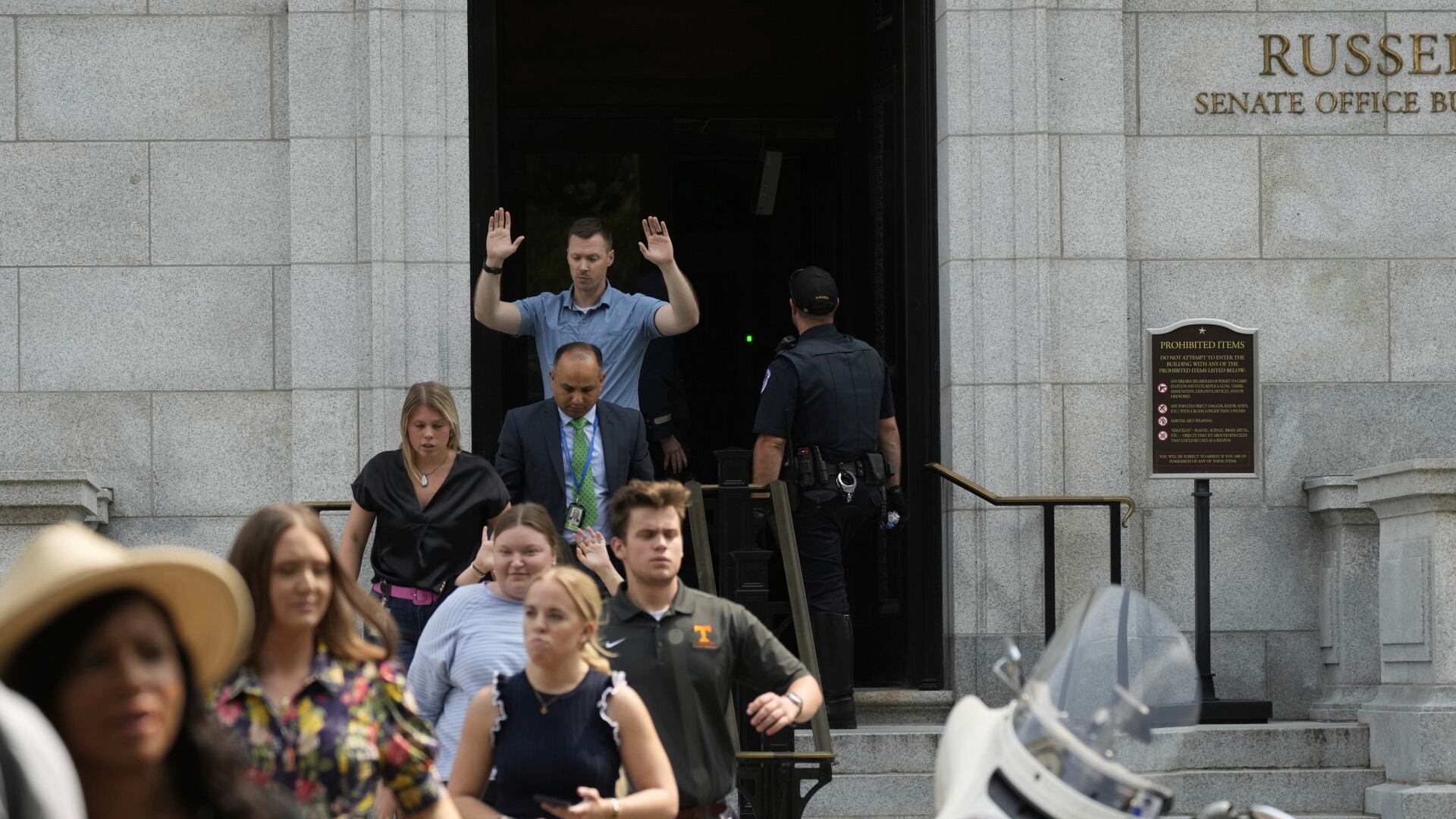
Capitol Police Chief Tom Manger said the false alarm "may have been a bogus call" but that law enforcement agencies are ready to stop any attempt to disrupt the court case of former President Donald Trump, who was indicted Tuesday on charges of trying to overthrow the 2020 election.
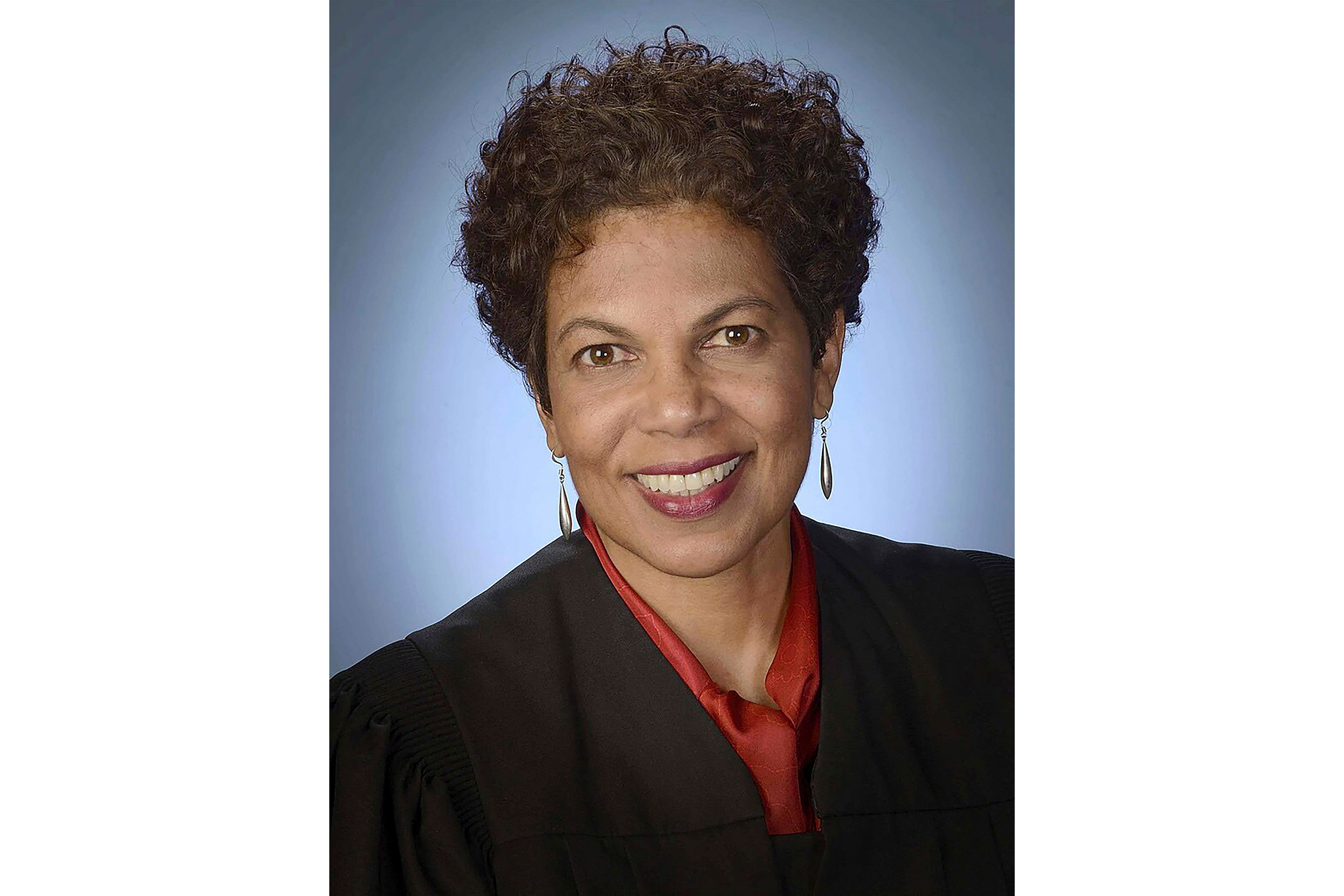
The federal judge assigned to the election fraud case against former President Donald Trump has stood out as one of the toughest punishers of rioters who stormed the U.S. Capitol in an attack fueled by Trump's baseless claims of a stolen election. She has also ruled against him before.