Inside the Legal Ramifications of Trump's Attempt to Fire Mueller
President Trump reportedly ordered the firing of Robert Mueller over the summer but reversed course after the White House special counsel threatened to resign. That's according to a recent report in the New York Times. Fordham University Law Professor Jed Shugerman explains the potential legal ramifications of these revelations.
"This now becomes part of a longer timeline for Mueller," said Shugerman. "The statue that covers obstruction of justice depends upon proving that there was a corrupt intent. So the more events that show a corrupt intent the stronger the case would be."
Former White House Communication Director Anthony Scaramucci took to Twitter, tweeting "...@POTUS should be able to have a private conversation with WH Counsel without the content being leaked." Shugerman says presidents can have private conversations, but they cannot conspire to commit felonies.
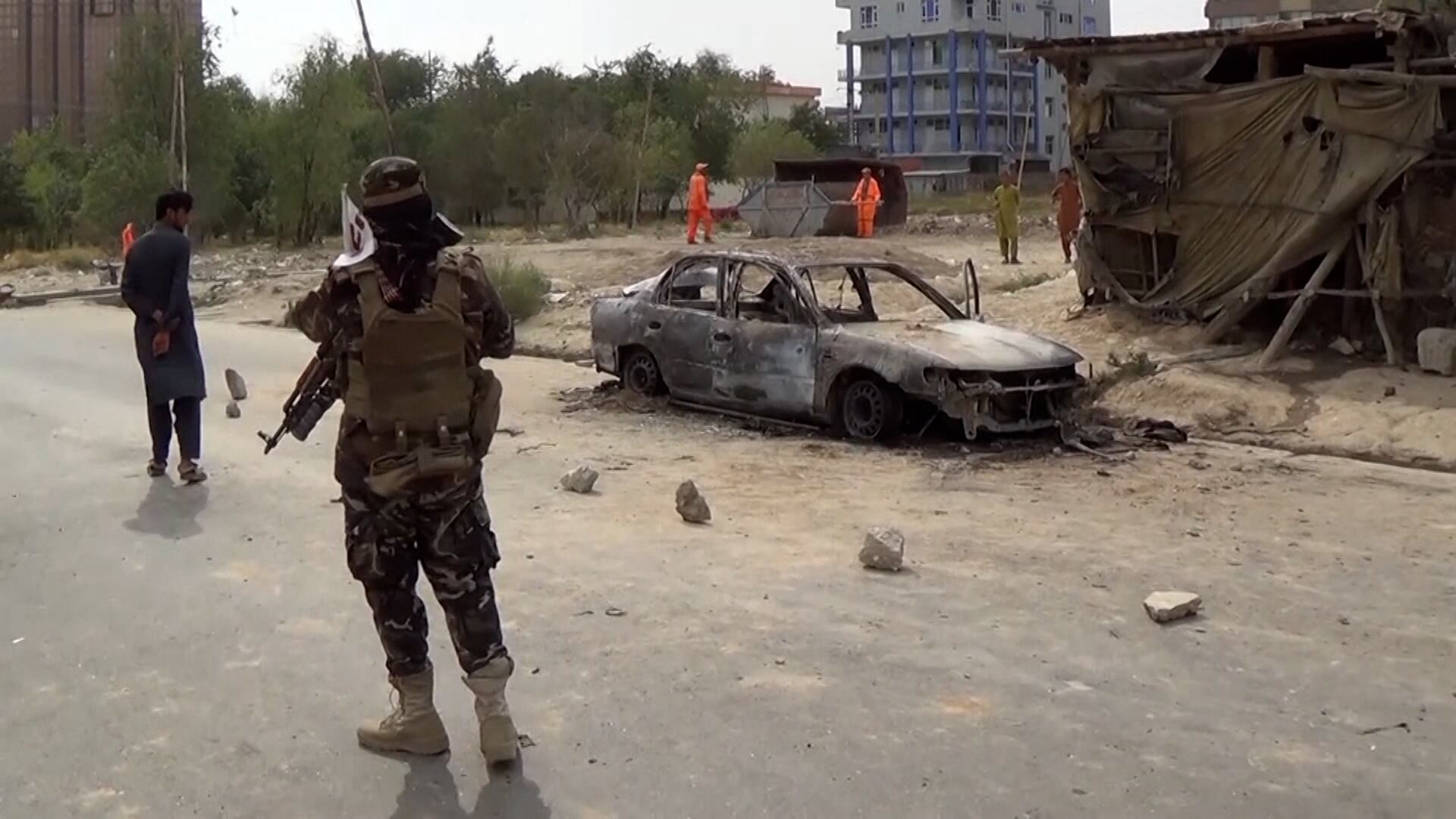
There has been a series of violent attacks in Afghanistan in the past week as U.S. troops withdrawal deadline approaches. The evacuation effort is winding down with 1,200 people evacuated in the last 24 hours, compared to last week's 24-hour span high of 21,000, and it is reported that there are around 250 people still waiting to be airlifted.
Dan Lamothe, national security reporter at The Washington Post, joined Cheddar's Opening Bell to discuss more on what is going to happen when all evacuation and withdrawal missions are completed.
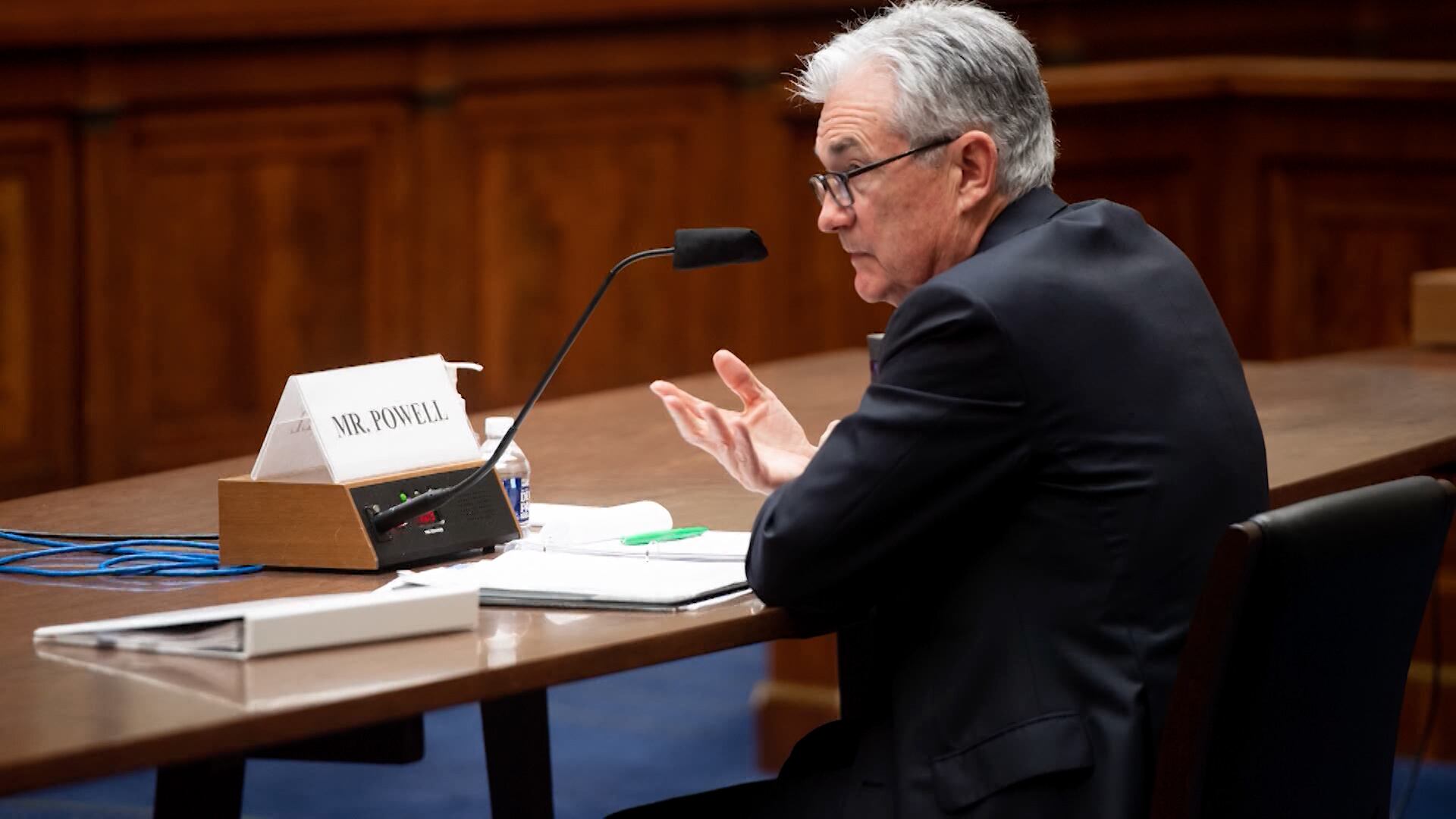
Futures pointed to a slightly higher open on the heels of Fed Chair Jerome Powell saying the central bank is on track to taper its asset purchases later this year. Milton Ezrati, Chief Economist at Vested joined Wake Up with Cheddar to discuss.