Inside the Legal Ramifications of Trump's Attempt to Fire Mueller
President Trump reportedly ordered the firing of Robert Mueller over the summer but reversed course after the White House special counsel threatened to resign. That's according to a recent report in the New York Times. Fordham University Law Professor Jed Shugerman explains the potential legal ramifications of these revelations.
"This now becomes part of a longer timeline for Mueller," said Shugerman. "The statue that covers obstruction of justice depends upon proving that there was a corrupt intent. So the more events that show a corrupt intent the stronger the case would be."
Former White House Communication Director Anthony Scaramucci took to Twitter, tweeting "...@POTUS should be able to have a private conversation with WH Counsel without the content being leaked." Shugerman says presidents can have private conversations, but they cannot conspire to commit felonies.
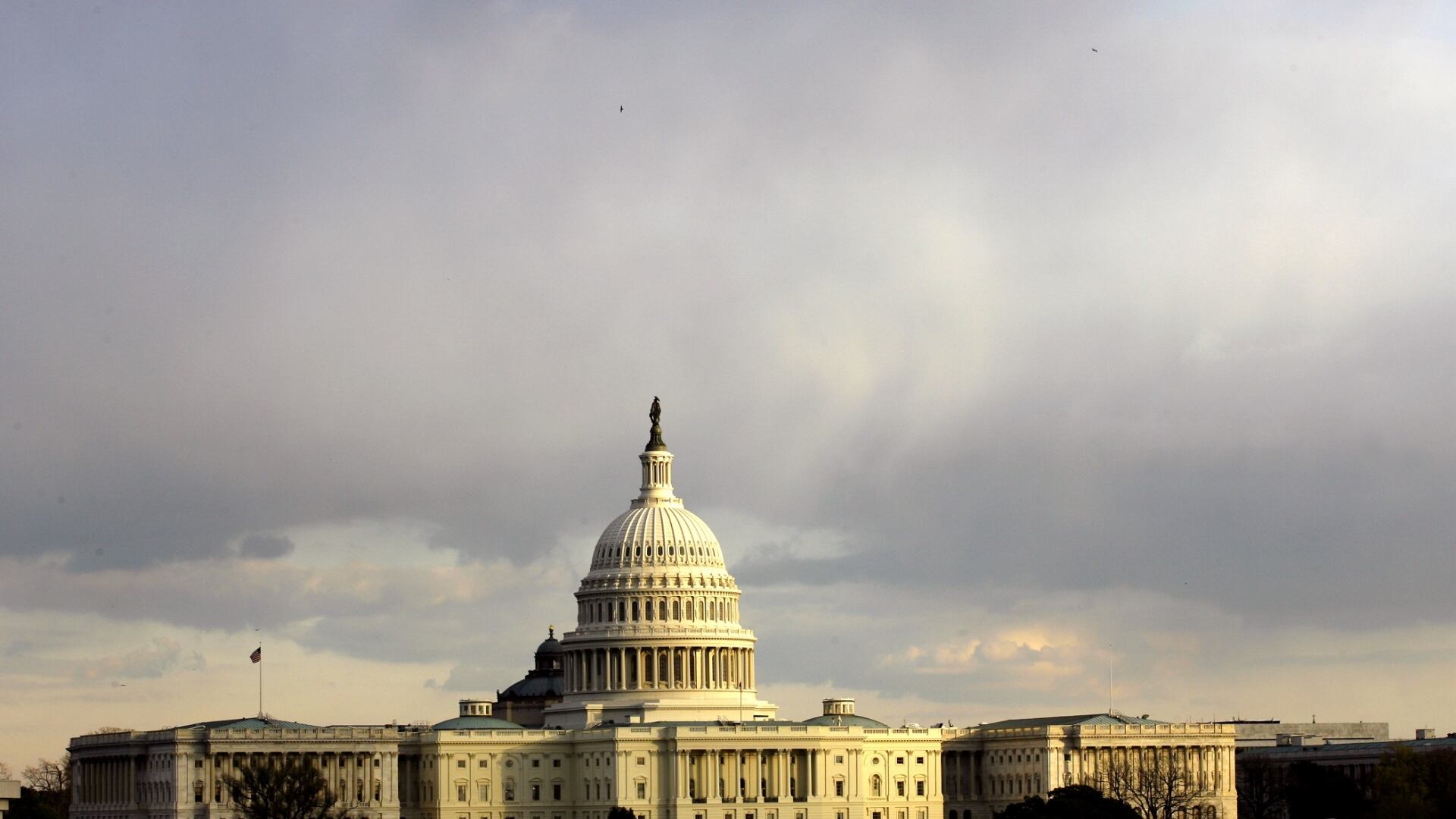
The Senate passed a stopgap funding bill that will finance the government through December 3. The bill now moves onto the House where it is expected to pass as well.
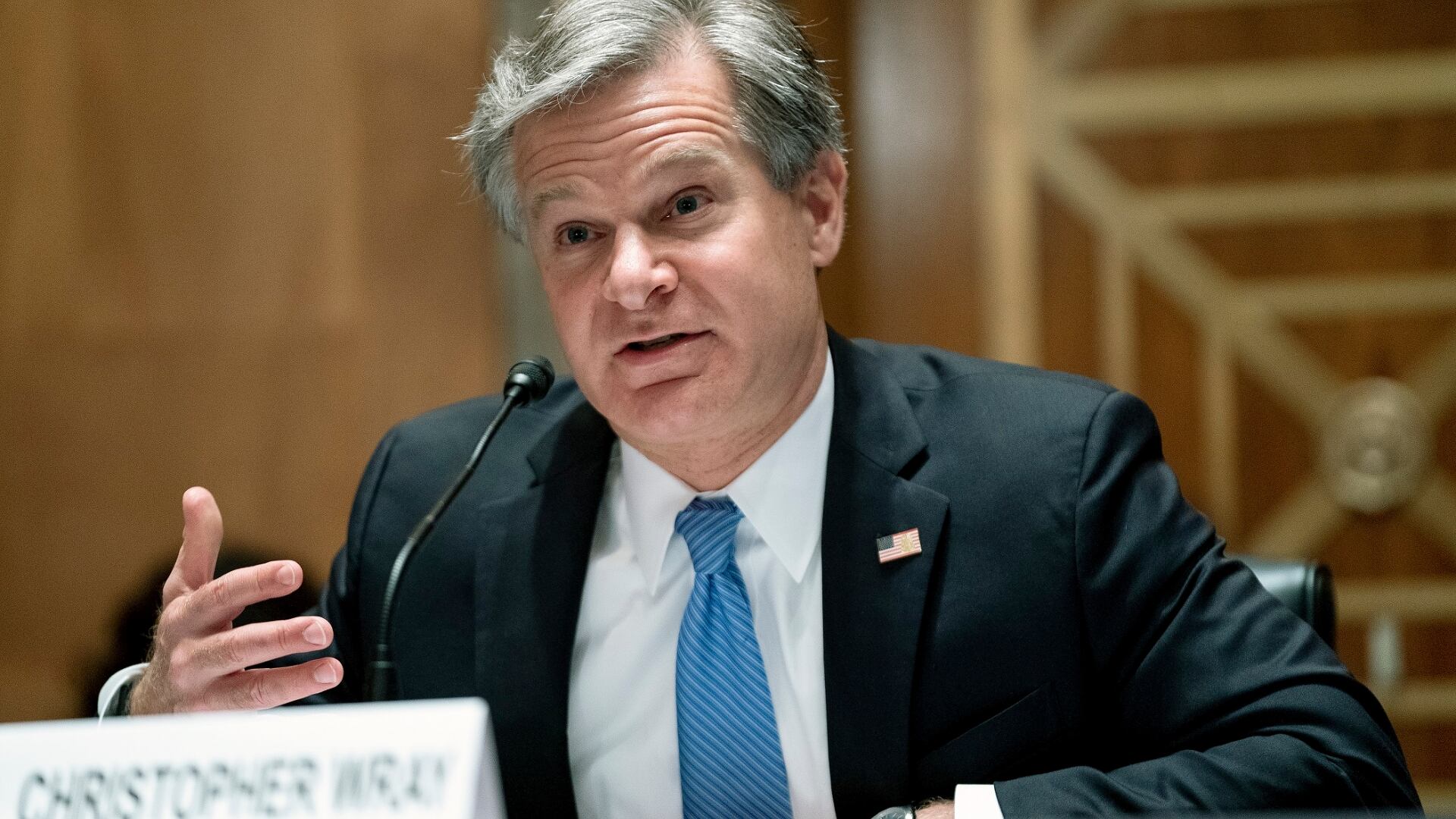
On Monday, the FBI unveiled a report showing a 30 percent increase in homicides in 2020. Cheddar's Chloe Aiello looks into the bureau's numbers that show a steep increase in gun violence amid the growing pandemic.