President Trump reportedly ordered the firing of Robert Mueller over the summer but reversed course after the White House special counsel threatened to resign. That's according to a recent report in the New York Times. Fordham University Law Professor Jed Shugerman explains the potential legal ramifications of these revelations.
"This now becomes part of a longer timeline for Mueller," said Shugerman. "The statue that covers obstruction of justice depends upon proving that there was a corrupt intent. So the more events that show a corrupt intent the stronger the case would be."
Former White House Communication Director Anthony Scaramucci took to Twitter, tweeting "...@POTUS should be able to have a private conversation with WH Counsel without the content being leaked." Shugerman says presidents can have private conversations, but they cannot conspire to commit felonies.
The world is in a “sorry state" because of myriad “interlinked” challenges including climate change and Russia's war in Ukraine that are “piling up like cars in a chain reaction crash,” the U.N. chief said at the World Economic Forum's meeting Wednesday.
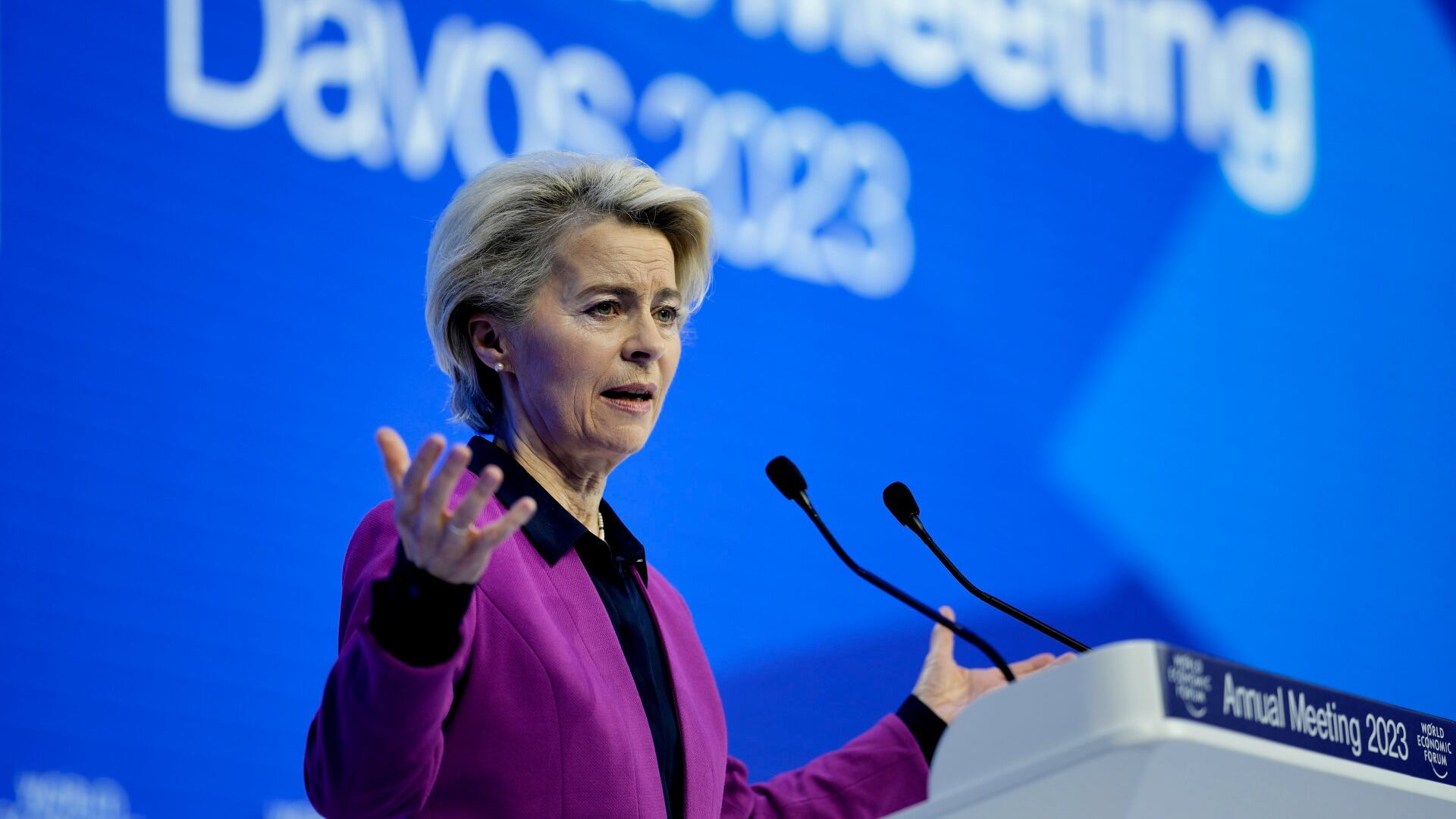
European Commission President Ursula von der Leyen presented the outlines for her “Green Deal Industrial Plan” at the World Economic Forum at Davos.
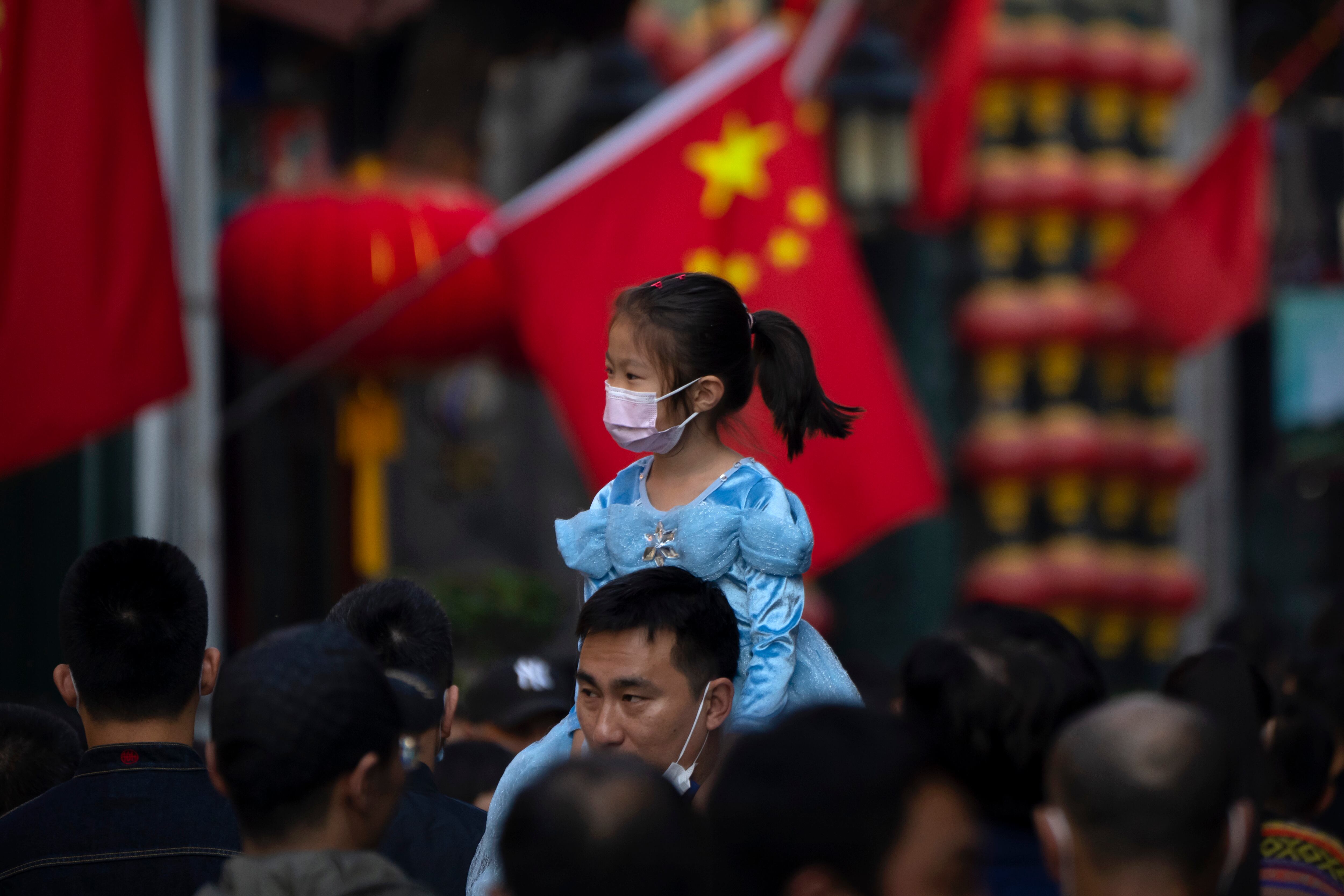
For the first time in decades, China has fewer people than it did at the start of last year, according to official figures released Tuesday.
Solomon Pena was arrested in connection with a recent series of drive-by shootings targeting Democratic lawmakers in New Mexico.
The request comes after the White House's weekend disclosure that more classified records were found at the president's Delaware residence.
The winter meetup of CEOs and heads of state is the first since 2020.
The U.S. Treasury notified Congress that the debt ceiling could hit next week.
Google said a liability case before the Supreme Court could potentially "upend the internet" and lead to massive censorship online.
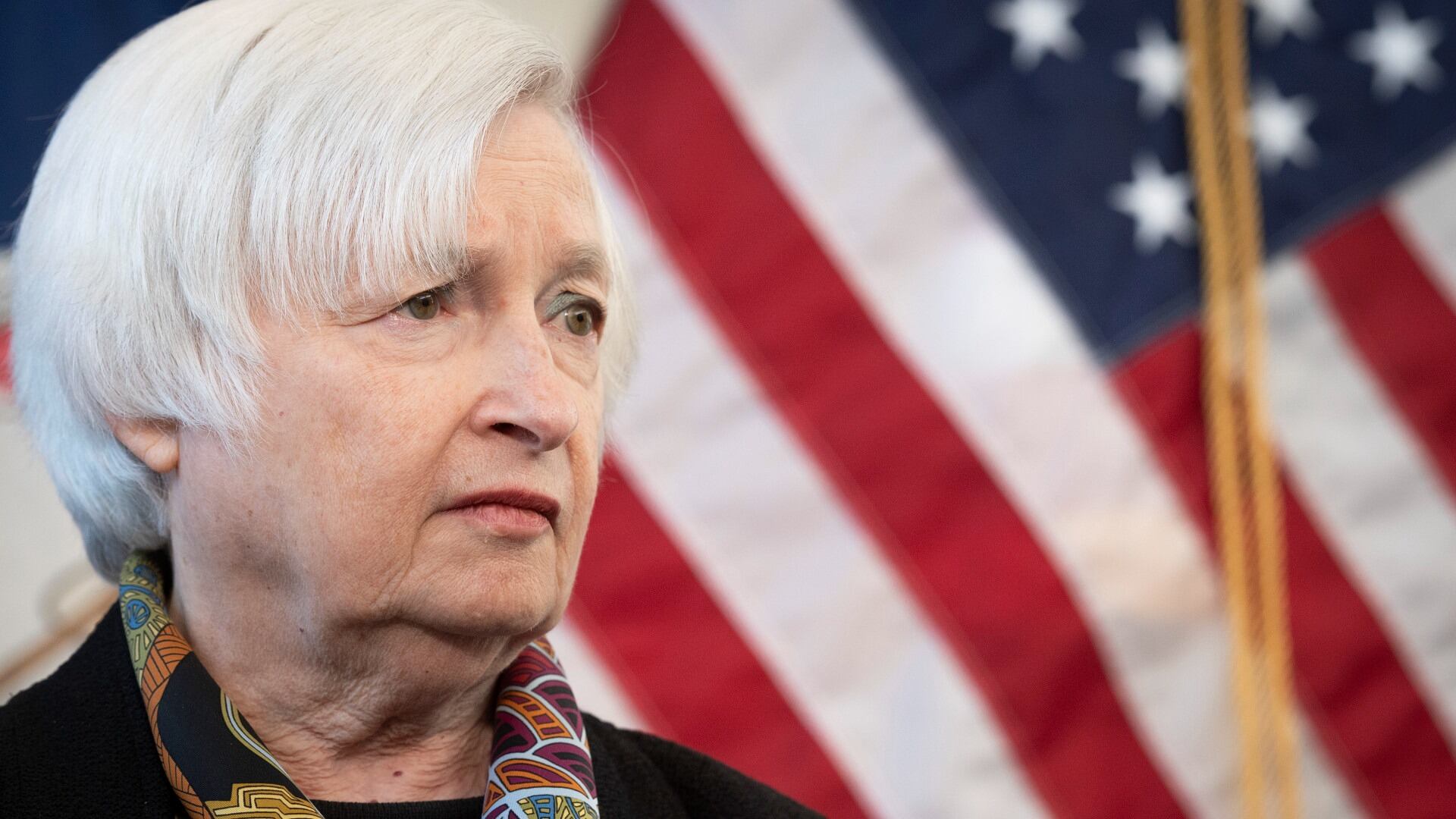
Treasury Secretary Janet Yellen notified Congress on Friday that the U.S. is projected to reach its debt limit on Thursday and will then resort to “extraordinary measures” to avoid default.
Thousands of New York City nurses are back at work after a strike ended at two of the city's biggest hospitals.