President Trump reportedly ordered the firing of Robert Mueller over the summer but reversed course after the White House special counsel threatened to resign. That's according to a recent report in the New York Times. Fordham University Law Professor Jed Shugerman explains the potential legal ramifications of these revelations.
"This now becomes part of a longer timeline for Mueller," said Shugerman. "The statue that covers obstruction of justice depends upon proving that there was a corrupt intent. So the more events that show a corrupt intent the stronger the case would be."
Former White House Communication Director Anthony Scaramucci took to Twitter, tweeting "...@POTUS should be able to have a private conversation with WH Counsel without the content being leaked." Shugerman says presidents can have private conversations, but they cannot conspire to commit felonies.
The U.S. Treasury Department has changed the standard for what kind of electric vehicles qualify for a federal tax benefit under the Inflation Reduction Act.
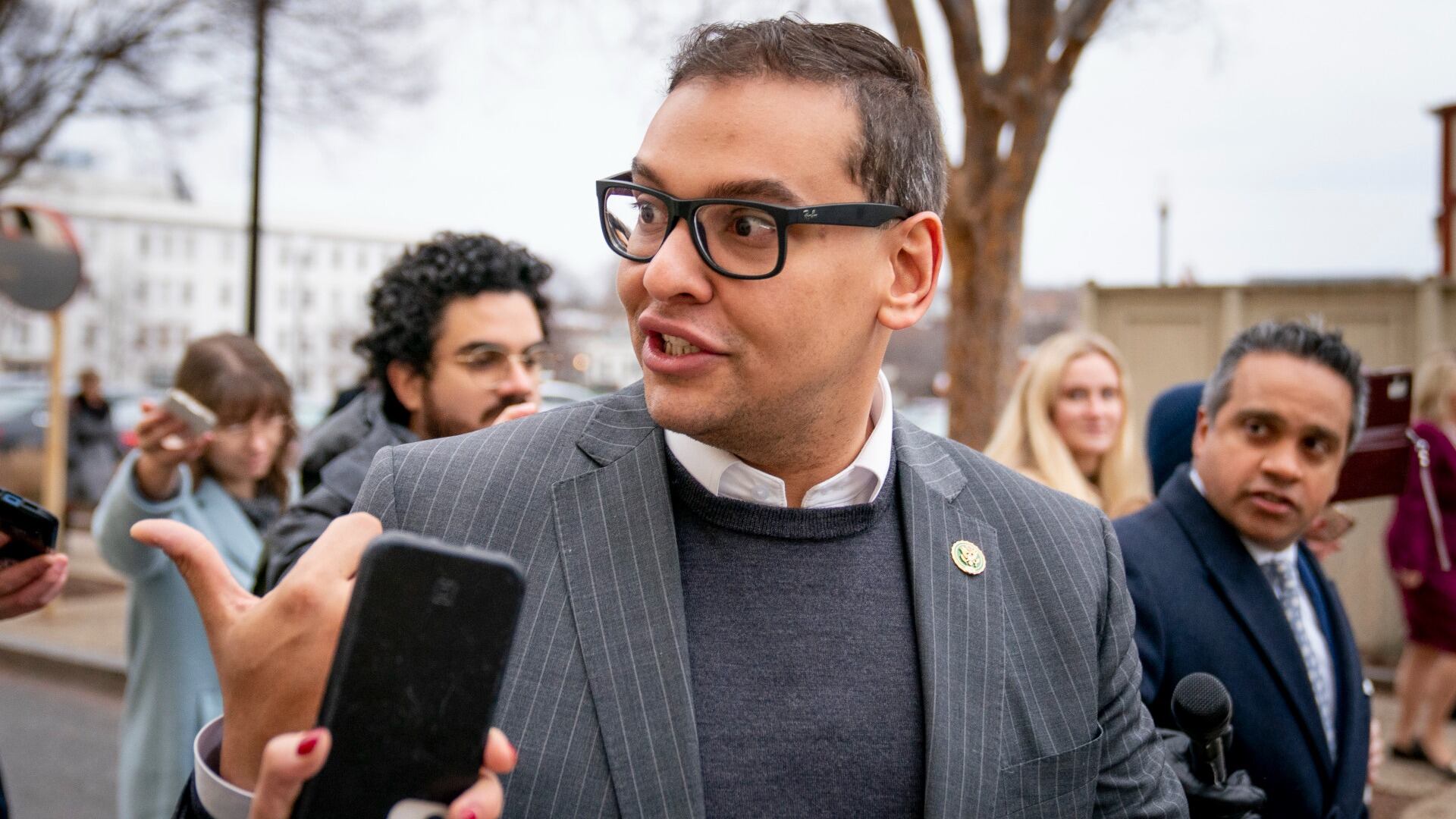
New York Republican Rep. George Santos is temporarily stepping down from his congressional committee assignments amid ongoing investigations surrounding his fabrications.
British energy giant BP predicts that fossil fuels as a primary energy source will decline from 80 percent in 2019 to between 55 and 20 percent in 2050.
The costs of COVID-19 vaccines are expected to skyrocket once the government stops buying them, with Pfizer saying it will charge as much as $130 per dose, and millions of people are expected to be kicked off of Medicaid.
TikTok CEO Shou Zi Chew will testify before Congress in March about the app's security and its ties to China.
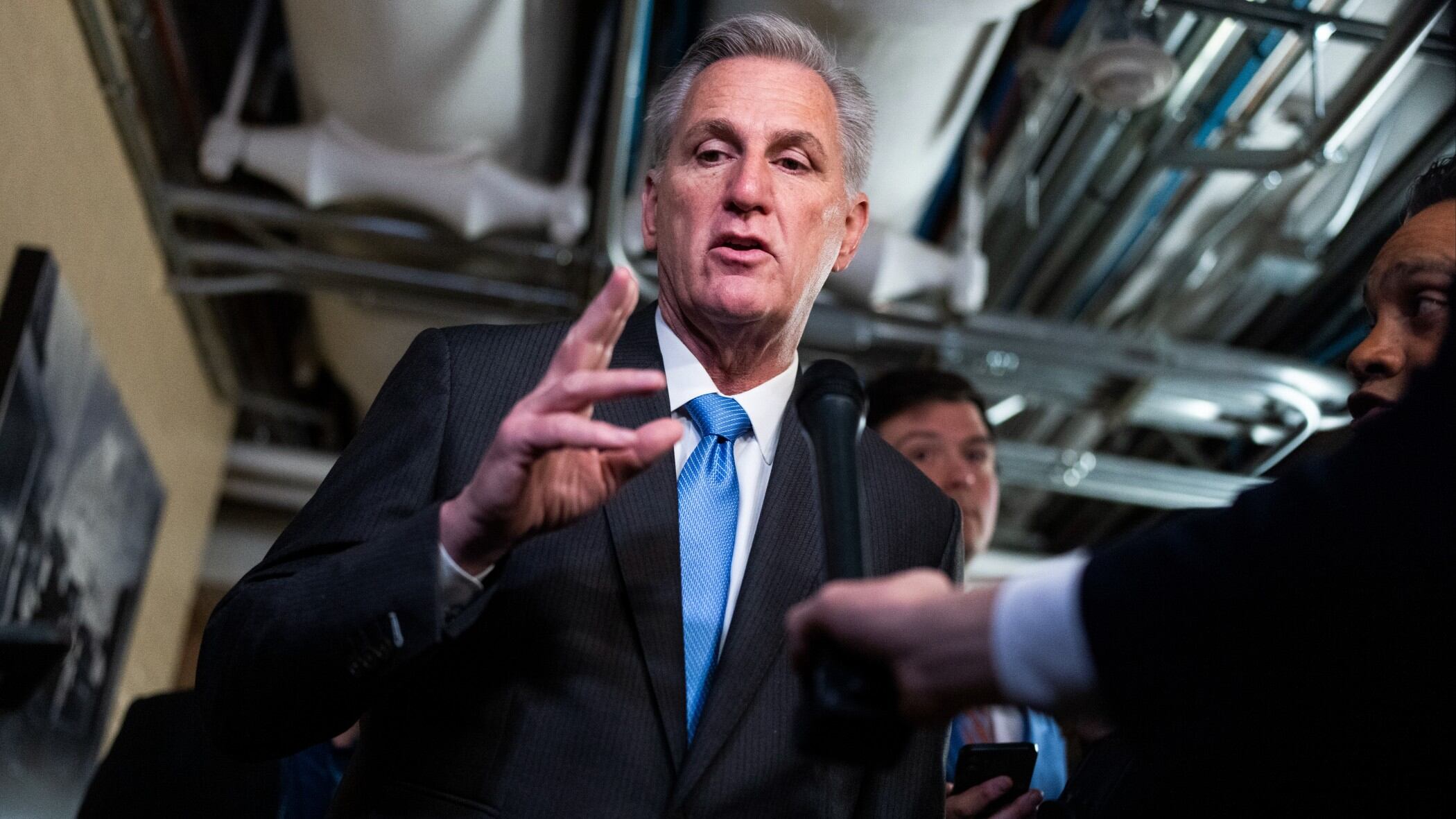
The House Speaker said he wants to address spending cuts along with raising the debt limit, even though the White House has ruled out linking those two issues together as the government tries to avoid a potentially devastating financial default.
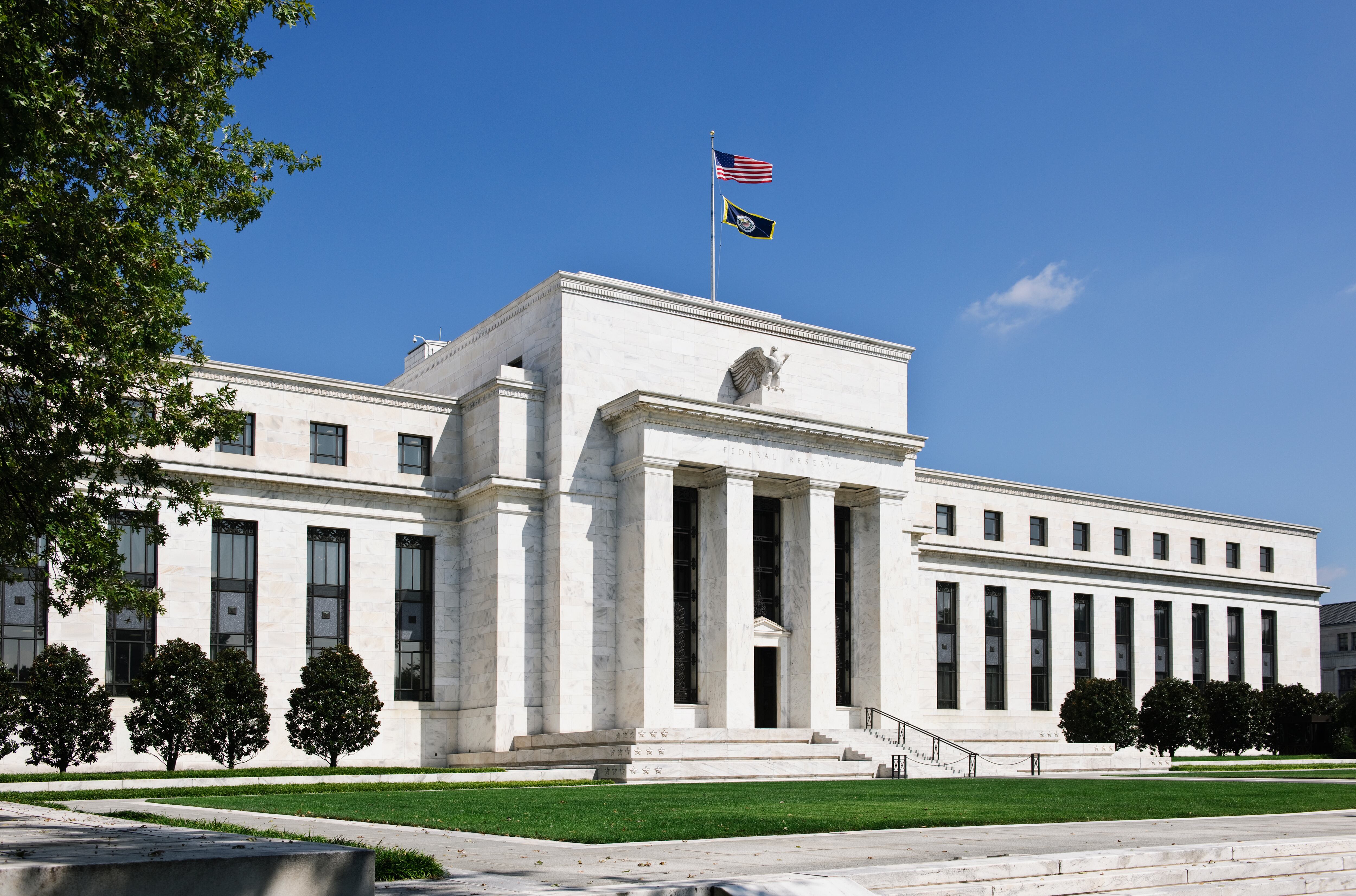
The Federal Reserve's preferred gauge of inflation showed the pace of price increases is slowing.
Newly released video shows the husband of former U.S. House Speaker Nancy Pelosi fighting for control of a hammer with his assailant during a brutal attack in the couple’s San Francisco home last year.
The Biden administration released the "renters' bill of rights" as rent prices soar.
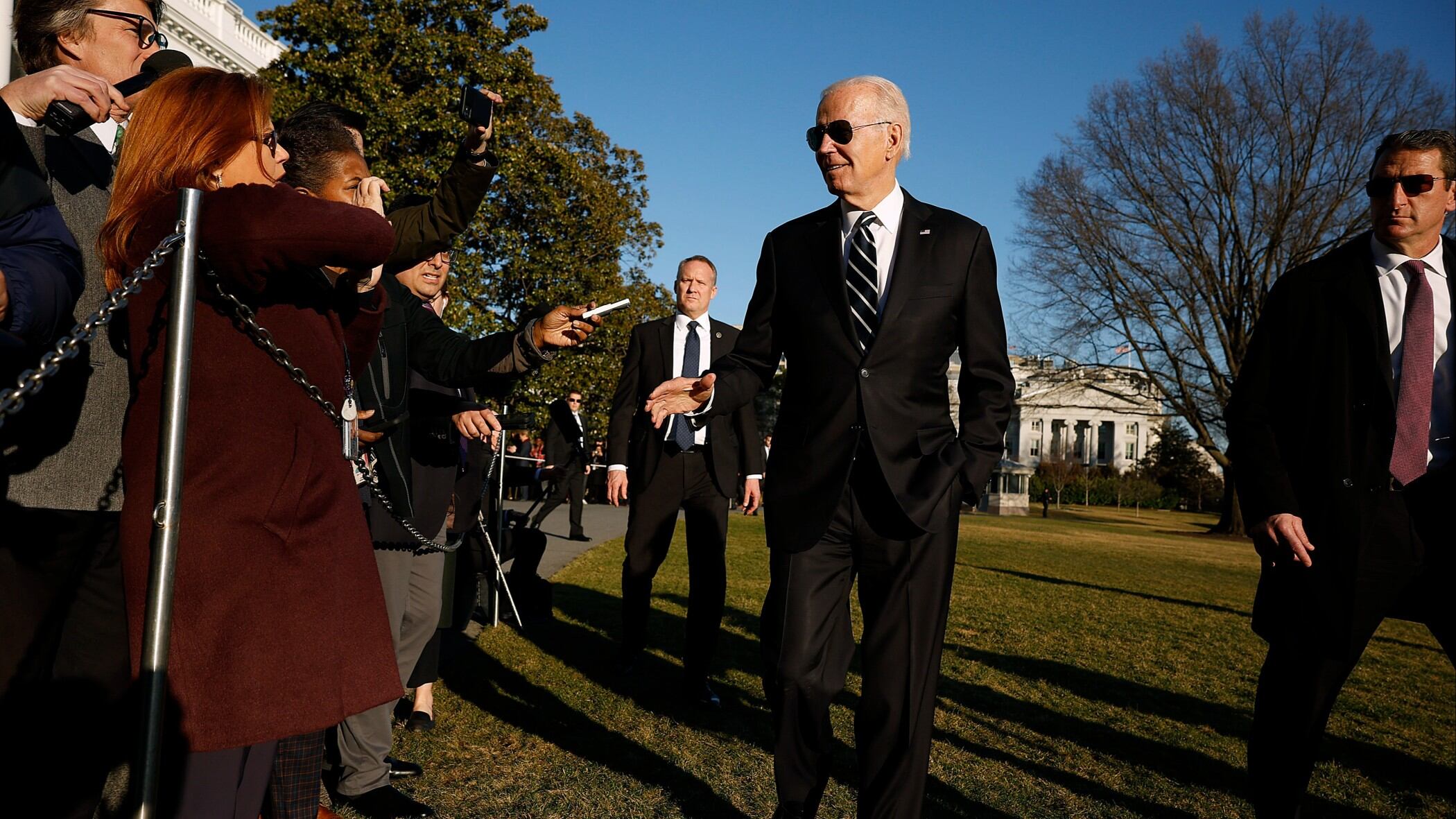
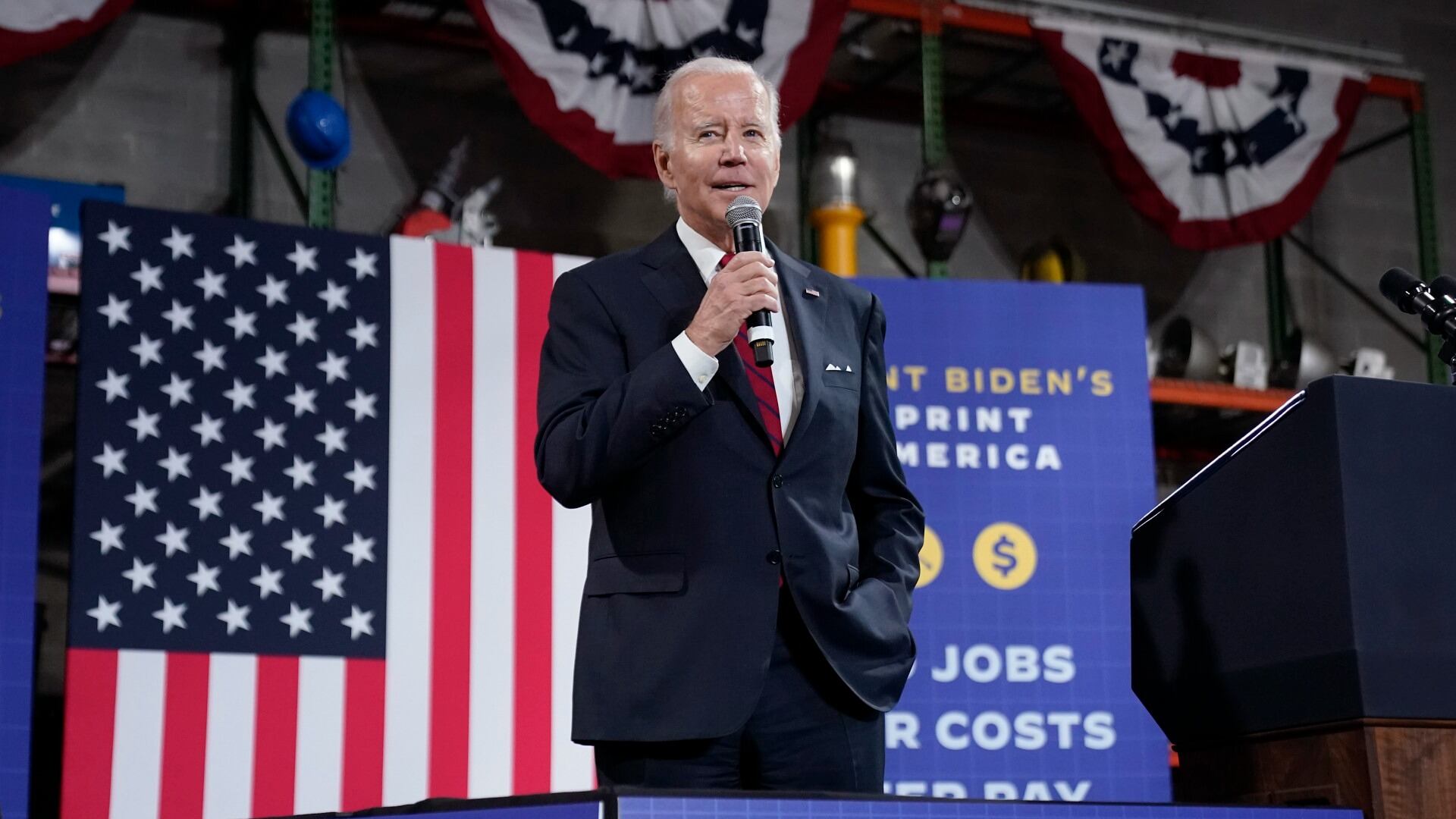
President Joe Biden touted the administration's economic achievements in a Virginia speech, while bashing Republicans for their handling of the nation's debt ceiling.