Inside the Biggest Marijuana Stock Gainers of 2018
Several marijuana companies are kicking off 2018 strong in the public market. Green Market Report's CEO and Editor-in-Chief Debra Borchardt explains the companies she see's capitalizing on the growing cannabis market.
Toronto-based Med Releaf is up nearly 20 percent in 2018. Borchardt says this company stands apart by being one of the lowest cost cannabis producers. "This is where we are seeing the real race in the marijuana community," says Borchardt.
Two other companies on Borchardt's watch list are Kush Bottles, and Aurora Cannabis.
New Jersey Governor Phil Murphy on Tuesday signed an executive order expanding access to medicinal marijuana. "They are expecting that it could generate 300 to 500 million in tax revenue," said Borchardt.
There were a record 2.6 million weddings in 2022, which is up from 1.9 million in 2021 and 1.3 million in 2020, according to a report from The Knot, a wedding planning agency.
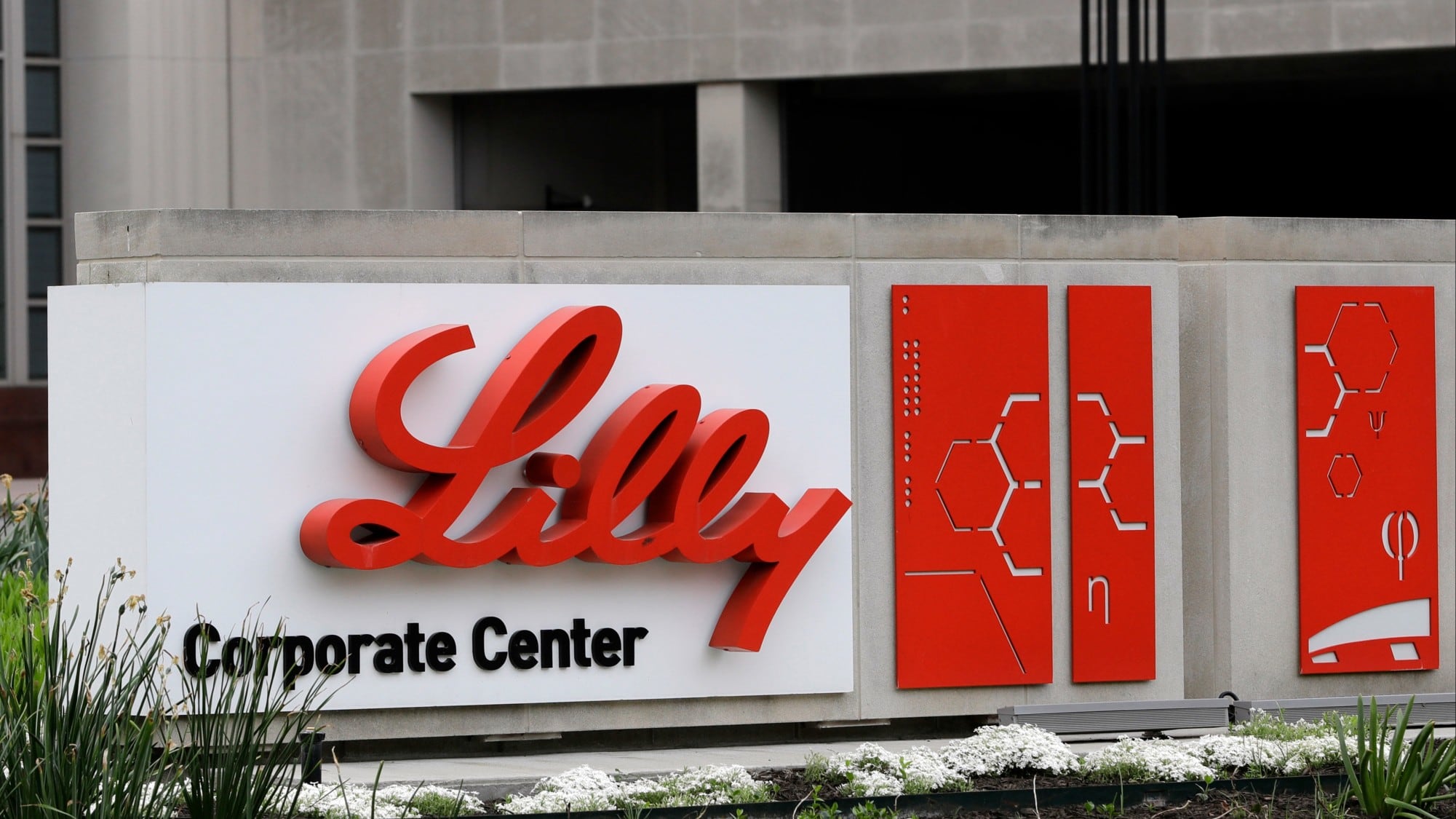
In line with a Biden administration proposal, pharmaceutical giant Eli Lilly is cutting the price of its most commonly prescribed insulins by 70 percent and capping out-of-pocket costs at $35 or less per month.
Demand for mortgage loan applications fell 5.7 percent in the last week of February, according to a survey from the Mortgage Bankers Association (MBA).
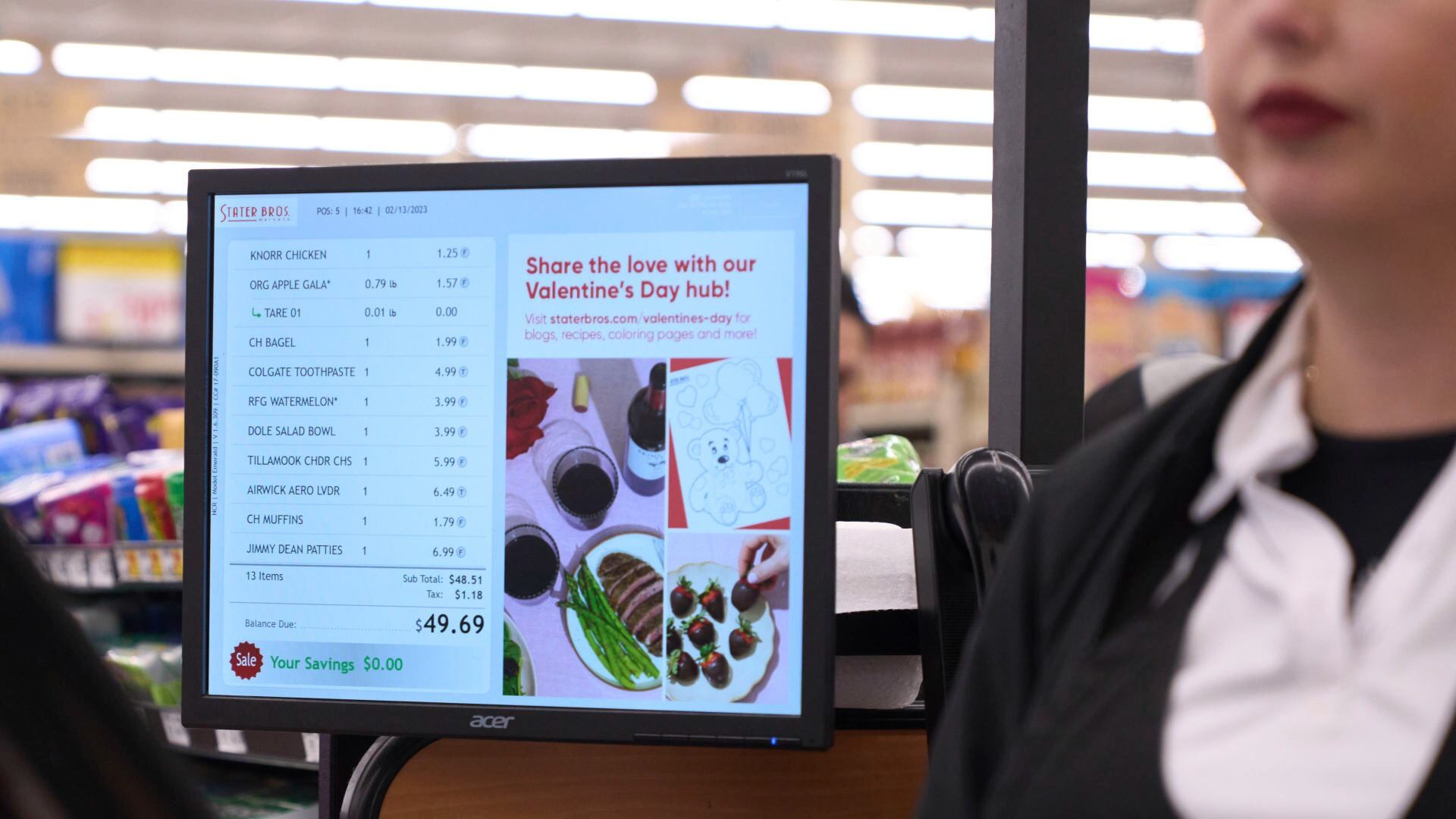
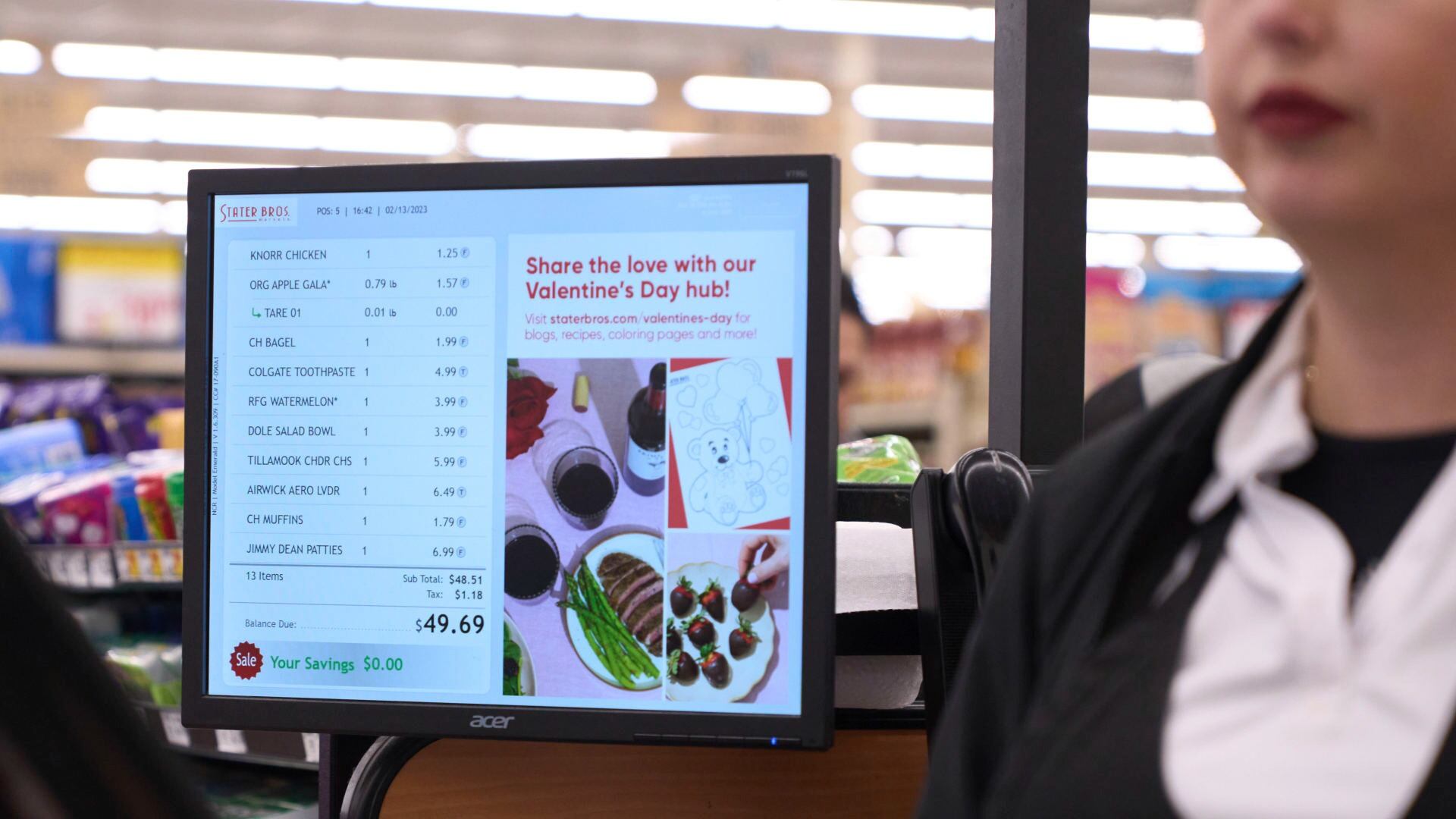
A large cross-section of Americans is at risk of falling below the poverty line as the program that provided more than 32 million people with extra SNAP benefits during the pandemic is set to end. Families received at least $95 extra per month to spend on food.
The Black Innovation Alliance is working to empower Black entrepreneurs and recently received a $3 million commitment from UBS to help with resources. Ifeoma Ike, director of policy and movement strategy with the Black Innovation Alliance, joined Cheddar News to explain further the organization's mission.
Shana Sissel, president & CEO of Banrion Capital Management, joined Cheddar News to discuss another down day on the last session of the month in trading as inflation, a restricted monetary policy, and layoffs continue to affect markets.