Spotify's acquisition last week of the music licensing start-up Loudr helps the streaming service to better manage its costs so that it can focus on attracting new subscribers for its premium service, said a digital media investment banker who helped Loudr close the deal.
Loudr's services are intended to make it easier for content creators and digital music services to identify, track, and pay royalties to music publishers more efficiently. Royalties are, of course, part of Spotify's recurring costs.
"It makes sense for Spotify, which is the largest music streaming service in terms of paid users, to take control of this important piece," said Sun Jen Yung, a partner and the head of digital media at Nfluence Partners.
Loudr makes the complex process of paying royalties easier through automation, she said Wednesday in an interview on Cheddar.
This week, Spotify announced it will update its mobile app soon in an effort to make it easier to use.
"To the extent that they can attract more users, that can hopefully help them upgrade to a premium service," said Yung.
For full interview, [click here](https://cheddar.com/videos/inside-spotifys-acquisition-of-loudr).
Jeff Burnstein, President of the Association for Advancing Automation (A3), discusses humanoid robots, AI, smart manufacturing, and the future of U.S. industry.
Should kids be banned from social media? Nick Lichtenberg of Fortune breaks down the global push to restrict under-16 users and what it means for Big Tech.
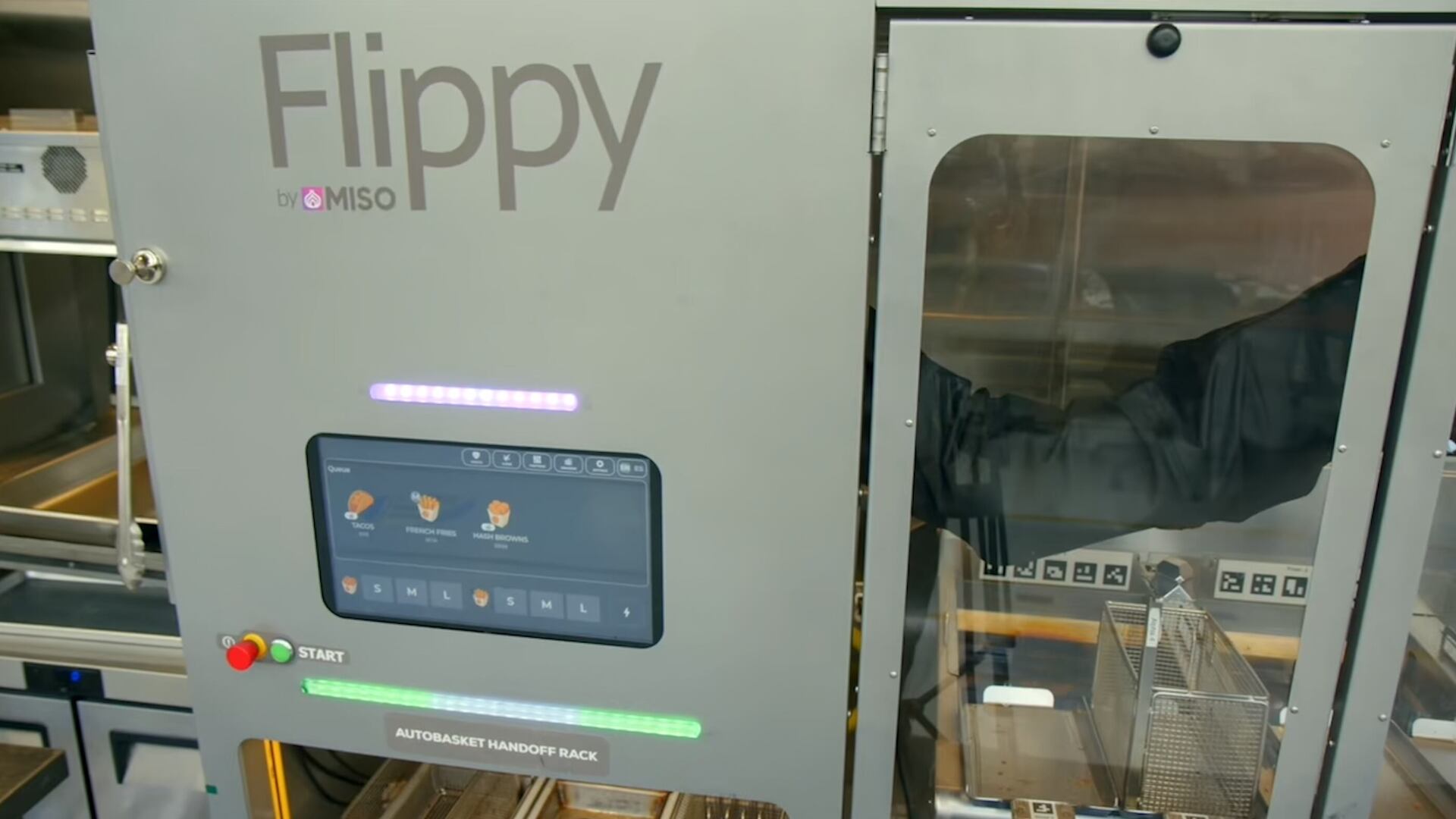
Miso Robotics CEO Rich Hull discusses Flippy Fry Station, the future of AI-powered restaurant automation and how acquiring Zume's IP could reshape food robotics
After two years of AI-fueled spending, Wall Street is asking what's next. Gil Luria breaks down monetization, valuations, winners, losers, and AI's future.
FIFA’s soccer World Cup promises to deliver $11.1 billion in spending and $30.5 billion economic impact for the U.S., but how much is it really helping?