Spotify's acquisition last week of the music licensing start-up Loudr helps the streaming service to better manage its costs so that it can focus on attracting new subscribers for its premium service, said a digital media investment banker who helped Loudr close the deal.
Loudr's services are intended to make it easier for content creators and digital music services to identify, track, and pay royalties to music publishers more efficiently. Royalties are, of course, part of Spotify's recurring costs.
"It makes sense for Spotify, which is the largest music streaming service in terms of paid users, to take control of this important piece," said Sun Jen Yung, a partner and the head of digital media at Nfluence Partners.
Loudr makes the complex process of paying royalties easier through automation, she said Wednesday in an interview on Cheddar.
This week, Spotify announced it will update its mobile app soon in an effort to make it easier to use.
"To the extent that they can attract more users, that can hopefully help them upgrade to a premium service," said Yung.
For full interview, [click here](https://cheddar.com/videos/inside-spotifys-acquisition-of-loudr).
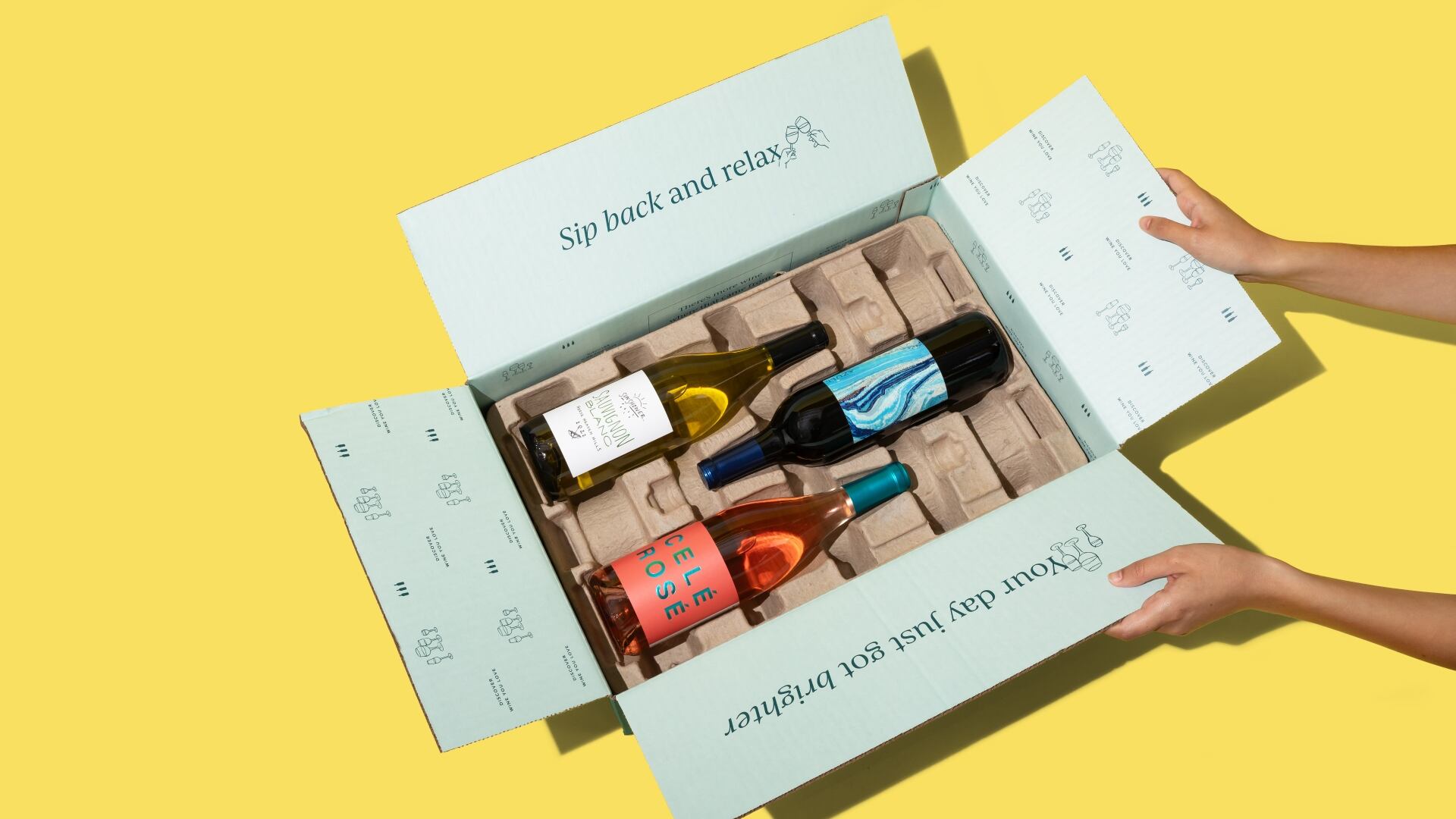
Full Glass Wine Co., the company behind Bright Cellars, Wine Insiders, and Winc, knows you fell in love with home delivery during the pandemic – and it’s investing millions into making it even better.
It might sound counterintuitive, but the Fed cutting interest rates three times this year could cause inflation to spike and actually be worse for markets and the economy as a whole.
Imagine a world with just a handful of mediocre beer options. Terrible, right? That was the U.S. before the explosion of craft breweries, the Samuel Adams founder says.
March was a blockbuster month for jobs, with 303,000 new positions – and paired with slower wage growth, an economist and a portfolio manager agree this could be the ‘best of both worlds.’