Snap keeps its data very close to its vest according to a report in The Daily Beast. The publication's tech reporter Taylor Lorenz who broke this story explains data she uncovered that suggests Snapchat is much more of a chat app than previously perceived.
"I got a hold of 5 months of daily active user information for nearly every feature of the app," said Lorenz. "Only about 20 percent of the app's users use Snapchat Discover." Lorenz said this could be disappointing to Snap investors.
"Internally the consensus is if the stock drops below $10 a share for a significant period of time I think they would walk," said Lorenz who interviewed several former and current employees for this story. Snap is currently rolling out a redesign of the app. Lorenz says this could be a "make or break" moment for the platform.
The Week's Top Stories is a guided tour through the biggest market stories of the week, from winning stocks to brutal dips to the facts and forecasts generating buzz on Wall Street.
Uncertainty continues to pummel the banking industry, despite assurances from financial regulators and bankers such as Jamie Dimon this week that the worst of the recent crisis is over and the health of the banking system remains strong.
Apple is leading Wall Street toward its biggest rally in nearly four months Friday after the market's most influential company reported a better profit than feared.
Apple once again posted an, until now, rare revenue decline in its latest fiscal quarter, but said its overall business improved from the December quarter and sales of its iPhones were solid.
America’s employers added a healthy 253,000 jobs in April, evidence of a labor market that still shows surprising strength despite rising interest rates, chronically high inflation and a banking crisis that could weaken the economy.
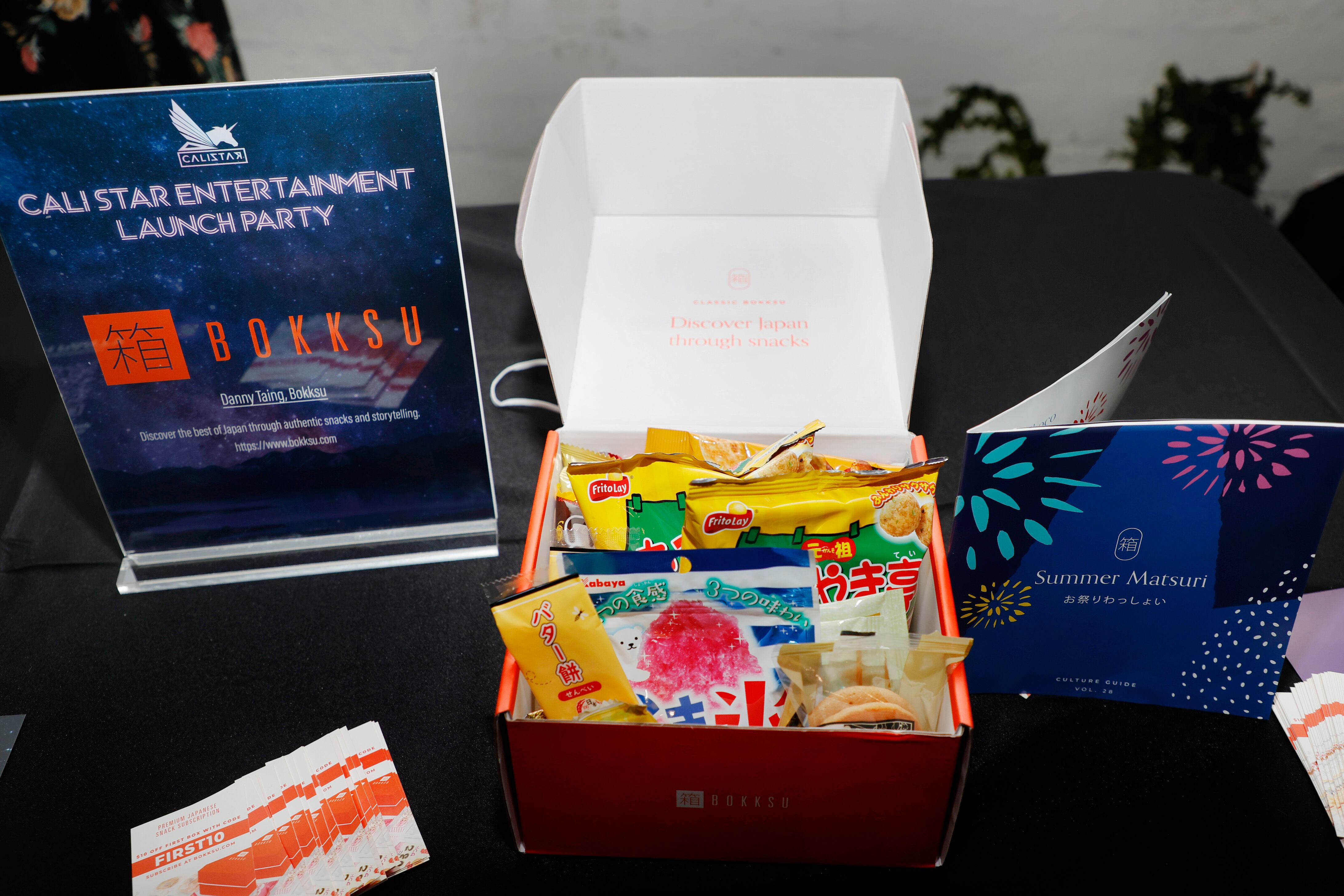
Danny Taing, founder and CEO of Bokksu, joined Cheddar News to discuss his path on how he became an entrepreneur to launch a company that delivers artisanal Japanese snacks. "When I moved back from Japan to New York, I had this bit of reverse culture shock ... a lot of people had somewhat of a one-dimensional view of Japan ... they saw this country where people ate sushi every day ... none of that is true," he said.