Snap keeps its data very close to its vest according to a report in The Daily Beast. The publication's tech reporter Taylor Lorenz who broke this story explains data she uncovered that suggests Snapchat is much more of a chat app than previously perceived.
"I got a hold of 5 months of daily active user information for nearly every feature of the app," said Lorenz. "Only about 20 percent of the app's users use Snapchat Discover." Lorenz said this could be disappointing to Snap investors.
"Internally the consensus is if the stock drops below $10 a share for a significant period of time I think they would walk," said Lorenz who interviewed several former and current employees for this story. Snap is currently rolling out a redesign of the app. Lorenz says this could be a "make or break" moment for the platform.
Lab-created diamonds come with sparkling claims: that they are ethically made by machines running on renewable energy. But many don't live up to these claims or don't respond to questions about their electricity sources, and lab diamonds require a lot of electricity.
Geoff Freeman, president and CEO of the U.S. Travel association, explains why other nations are outcompeting the U.S., and the innovations that would put American back on top.
Tony Drake, founder of Drake & Associates, breaks down the latest CPI report, why ‘inflation is still trending down,’ and why the Fed doesn’t want to cut rates too soon.
Make sure your love don't cost a thing this Valentine's Day to any scammers. Note: we're not talking about your partner that didn't do the dishes after saying they would.
Landing founder and CEO Bill Smith shares how the company’s new Nomad pass and partnership with Frontier Airlines allows subscribers unlimited airfare and accommodations.
The pandemic yielded government financial support and (eventually) a surprisingly strong job market — but racial wealth disparities grew. Why is it so difficult to close the wealth gap?
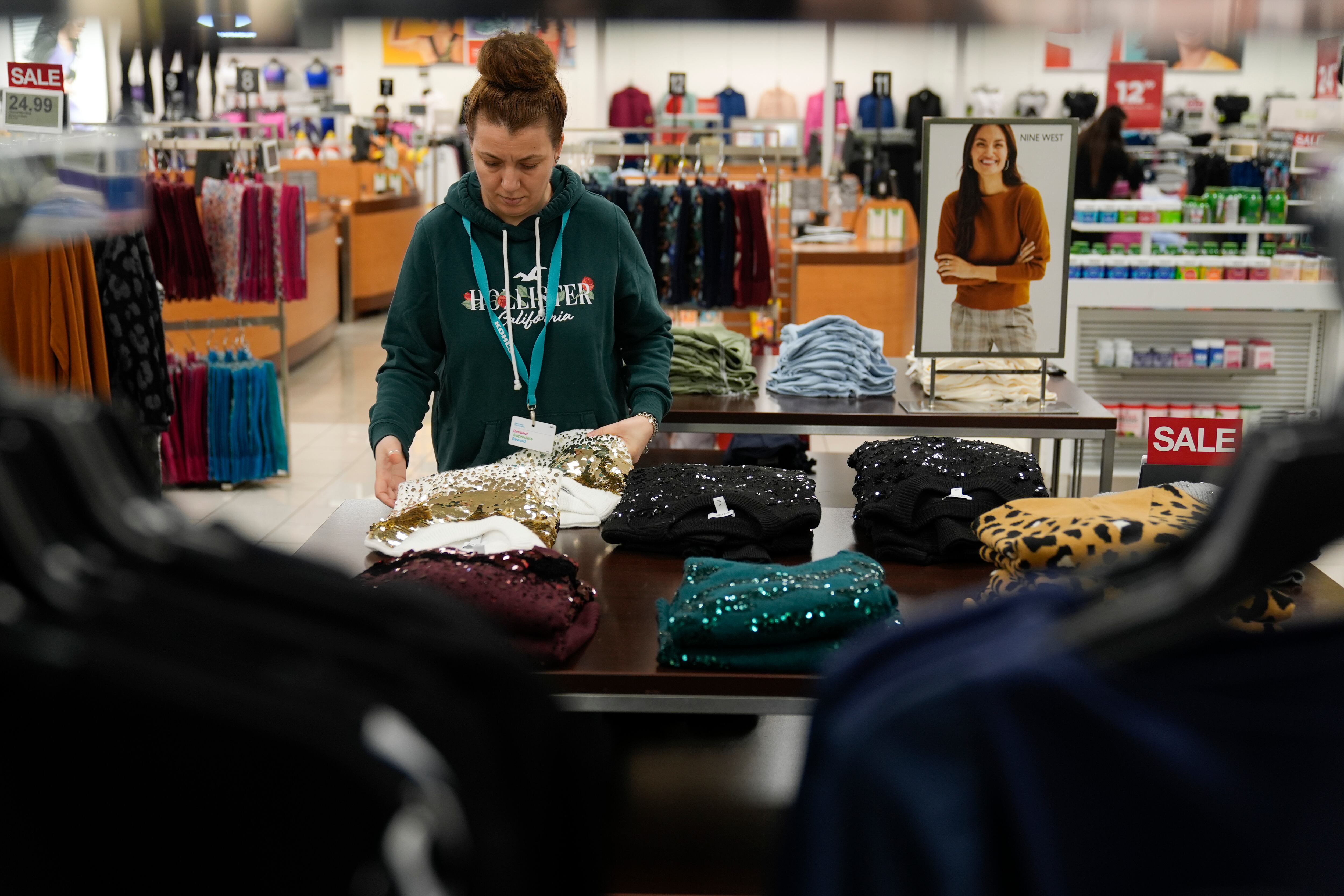
Plenty of retailers and suppliers are reducing the variety of their offerings to focus instead on what they think will sell best. Many businesses have decided less is better, justifying their limited selection by asserting shoppers don’t want so much choice.