Emily Chang, Host of "Bloomberg Technology" and Author of "Brotopia: Breaking Up the Boys' Club of Silicon Valley" joins The Hive to discuss the dark secrets of Silicon Valley.
Chang talks about the rising trend of polyamorous relationships and sex parties in the Valley. She talked to over three dozen people who are involved in this scene and found that women reported more double standards than men. She explains these parties are more about the power struggle than the sex, with a power dynamic that is lopsided.
She says that a lot has to be done, culturally, to change the way women are seen in the tech sector. The pay gap in Silicon Valley is 5 times the national average...which Chang says isn't publicized enough.
However, after years of reporting on Silicon Valley culture Chang is still surprised over one thing: in the 40s and 50s women played vital roles in the computer programming sector. She says in the 60s and 70s companies were desperate for talent and two psychologists said that good computer programmers "didn't like people." Well, if you're hiring someone based off that, Chang says you're most likely going to only hire men. Thus, the stereotype of the white nerd was born.
For the full interview, [click here](https://cheddar.com/videos/inside-silicon-valleys-brotopia-culture).
Complete sexual assault case folios containing intimate details were among more than 300,000 files dumped online in March after the 36,000-student Minneapolis Public Schools refused to pay a $1 million ransom. Other exposed data included medical records and discrimination complaints.
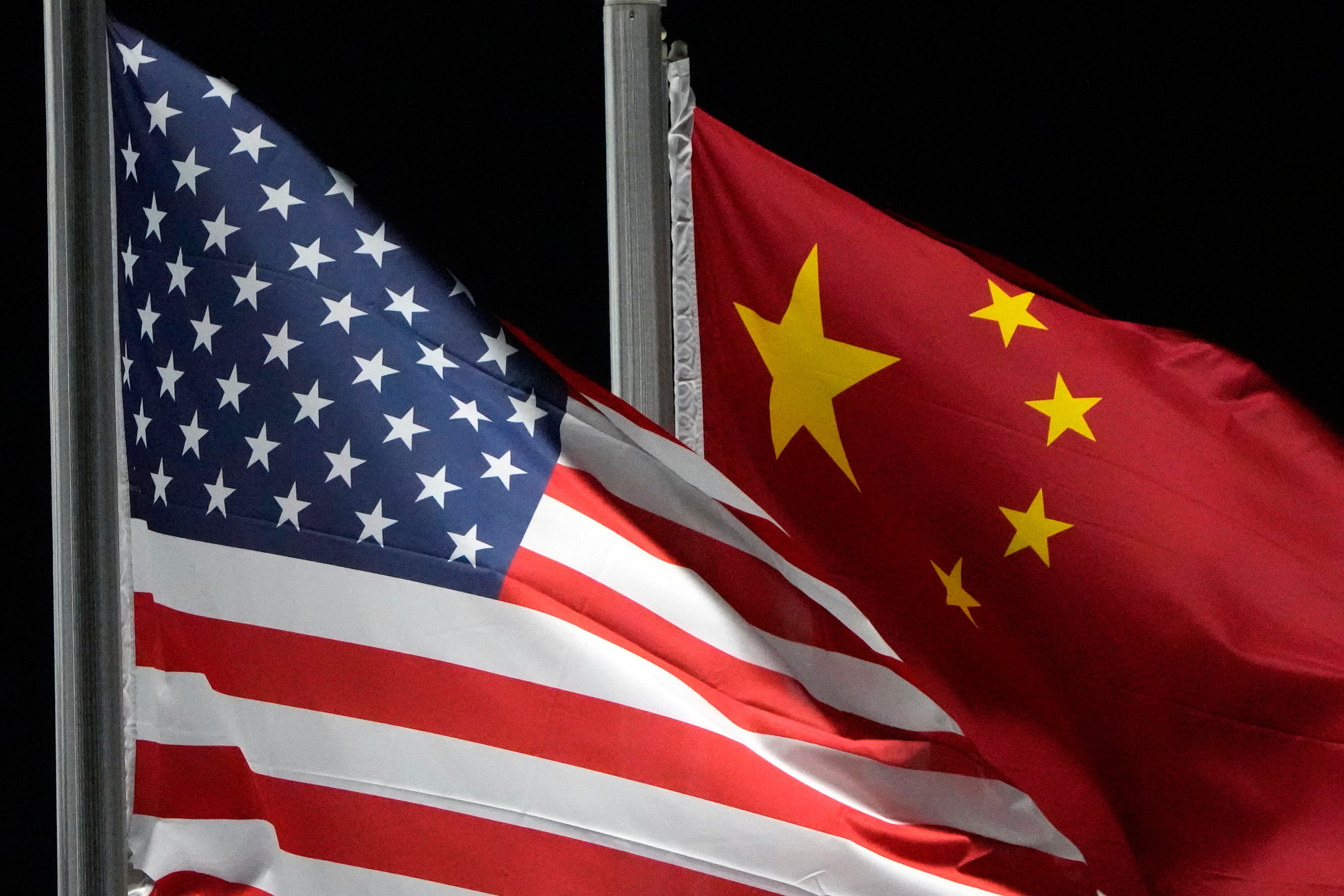
China has restricted exports of high-tech metals gallium and germanium, which are critical to making chips, in response to the U.S. blocking them from access to advanced chips.
Technology has changed the way people do everyday tasks, including grocery shopping. Cheddar News took a peek at a smarter way to shop with an AI-powered shopping cart.
Threatened by possible shortages of lithium for electric car batteries, automakers are racing to lock in supplies of the once-obscure “white gold” in a politically and environmentally fraught competition from China to Nevada to Chile.