Amazon's fourth annual Prime Day kicked off Monday to much fanfare, but it didn't quite go off without a hitch.
Some users [reported](https://twitter.com/CNET/status/1018934859505385472) getting error messages, while others got stuck in a loop that kept redirecting them back to the main sale site.
The issues came in the opening minutes of what the e-commerce giant has touted as a shopping holiday bigger than Black Friday or Cyber Monday. Research firm eMarketer estimated the company could bring in revenues of as much as $3.4 billion during the event, eclipsing the estimated $2.4 billion spent last year.
Whether the glitches affect results will be closely watched by analysts and investors ー shares of Amazon, which hit all-time highs early in the day Monday, pared gains after news of the problems.
Prime Day began at 3 pm ET on Monday and lasts 36 hours. This year's event is six hours longer than last year's.
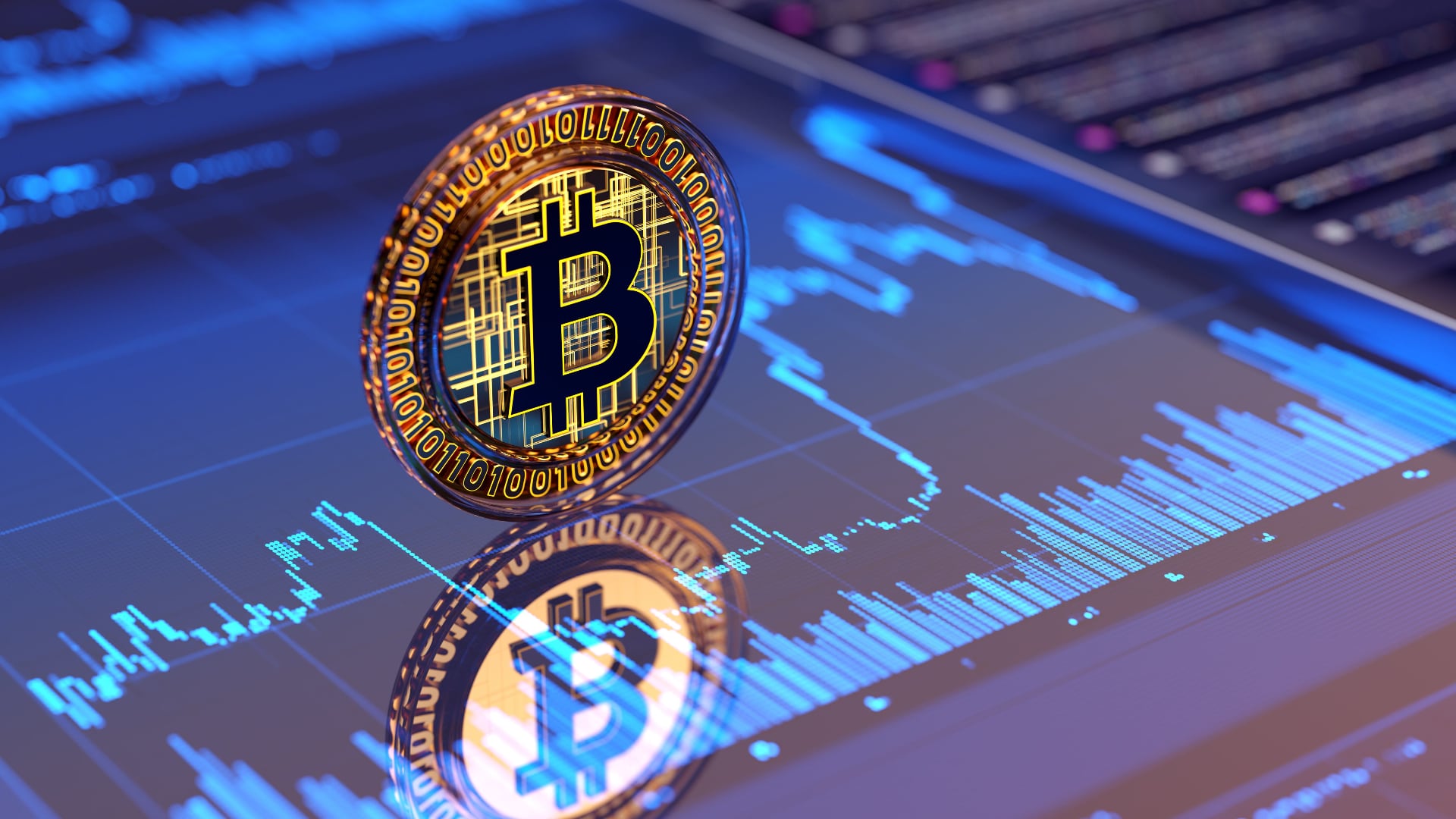
Karl Farmer, Vice President and Portfolio Managers at Rockland Trust Bank, breaks down why inflation and interest rates may stick at these levels, and why Bitcoin still carries some risks.
If you wince at the grocery store checkout, you’re not alone. Wall Street Journal reporter Jesse Newman breaks down why prices are so high – and not going down anytime soon.
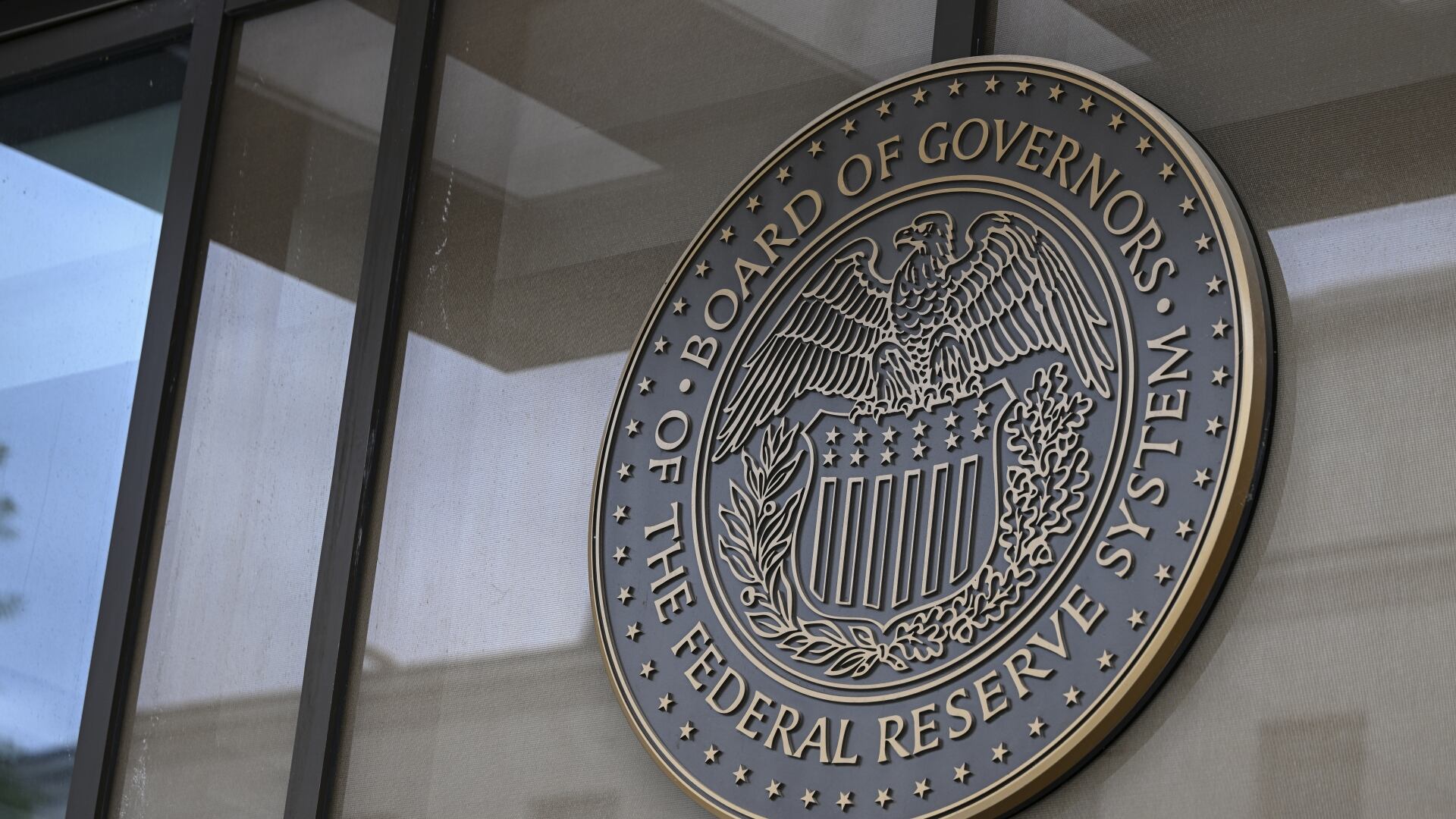
An inflation gauge favored by the Federal Reserve increased in January, the latest sign that the slowdown in U.S. consumer price increases is occurring unevenly from month to month. (Getty Images)
Glen Smith, CIO at GDS Wealth Management, shares how investors can allocate their assets as the market broadens and why he’s eyeing June for the first potential rate cut.
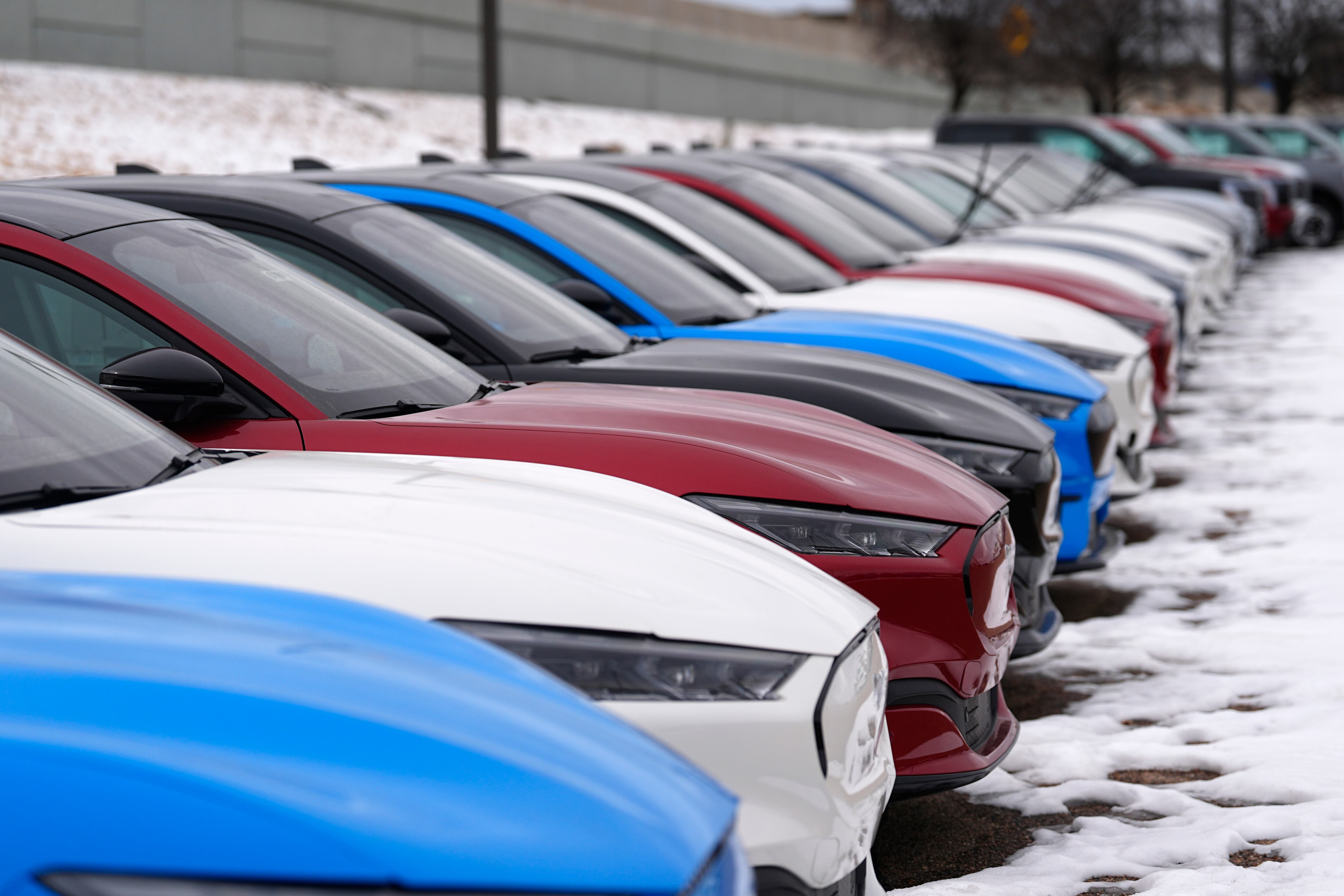
After years of price increases for cars and trucks in the United States, costs are slowing and in some cases falling, helping cool overall inflation and giving frustrated Americans more hope of finding an affordable vehicle.