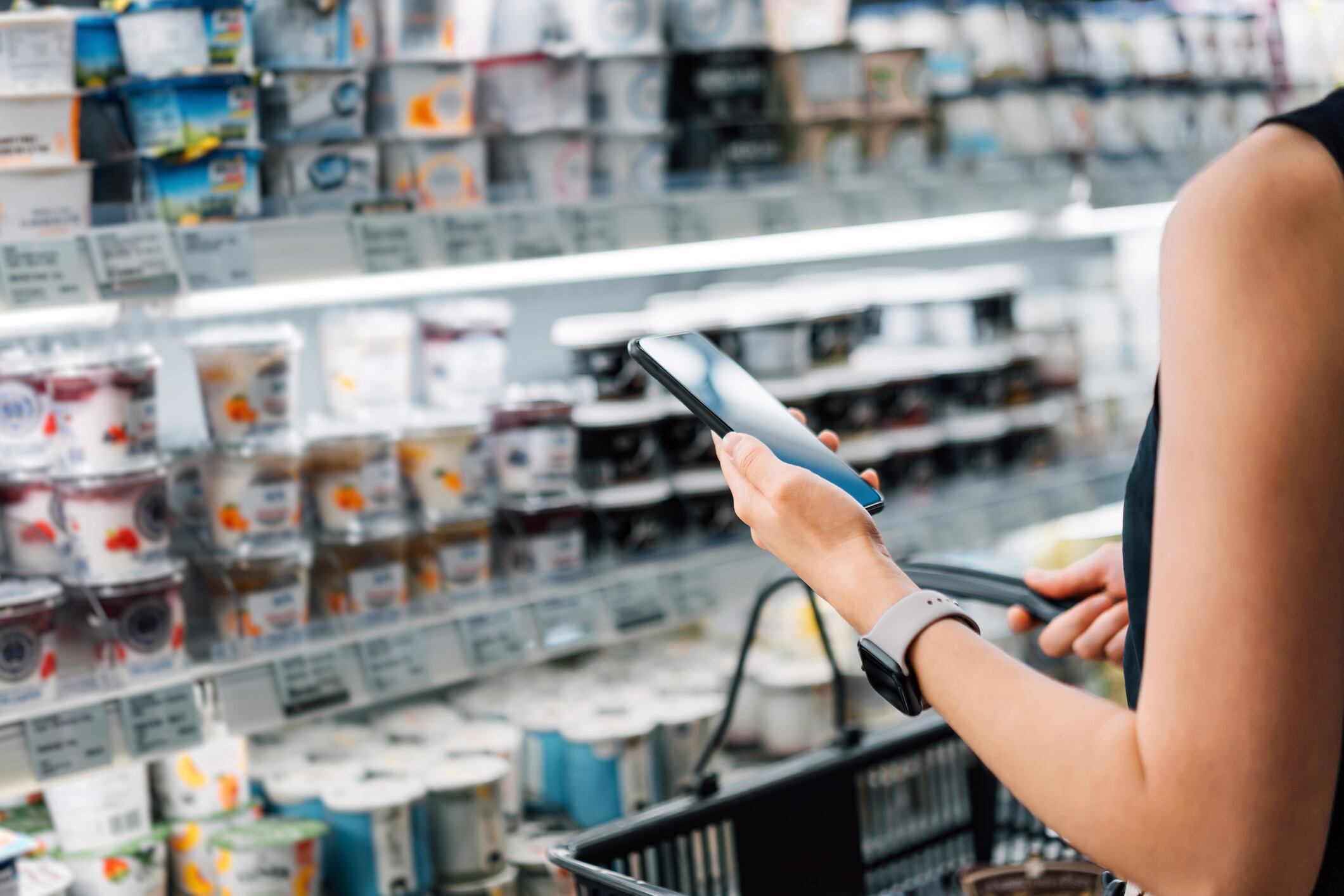
The rising cost of groceries is pushing more consumers to use Buy Now Pay Later (BNPL) services for necessities such as groceries, according to new data from Adobe Analytics.
In January and February, BNPL's share of online purchases jumped 10 percent year-over-year, while revenue fell by 19 percent. This suggests more consumers are using the services for smaller purchases. In the meantime, groceries share of BNPL purchases skyrocketed 40 percent.
That compares to a 8 percent increase for apparel and a 14 percent drop for electronics.
“The rise of Buy Now Pay Later usage for groceries tells us that consumers are likely making bigger purchases online to take advantage of special promotions and stock up on staples, thus managing living expenses in more flexible ways,” said Vivek Pandya, lead analyst at Adobe Digital Insights.
Overall, ecommerce demand is holding up despite economic uncertainty. In 2022, consumers spent $86.8 billion on groceries on ecommerce platforms, up 10.8 percent year-over-year.
“E-commerce demand has remained resilient in an uncertain economic environment, driven in part by lasting pandemic habits where consumers had no choice but to leverage online food and home furnishing shopping services,” Pandya said.
Dominick Passanante of Panasonic Connect breaks down the innovations behind TOUGHBOOK and why rugged tech is more relevant than ever in today's mobile workforce
Voya Financial CEO Heather Lavallee marks 10 years of Voya Cares, spotlighting research and expanding financial access for Americans with disabilities.
When Treasury Secretary Scott Bessent (above) and Fed chair Jay Powell jointly summon America’s top bankers to a meeting in Washington, you know it’s big.
Kim Crawford Goodman, CEO of Smarsh, breaks down how financial firms are scaling AI while managing compliance, risk, and regulation in a changing landscape.
Elizabeth Renter, Senior Economist at NerdWallet, breaks down how inflation and oil price shocks are driving higher costs and squeezing consumers today.