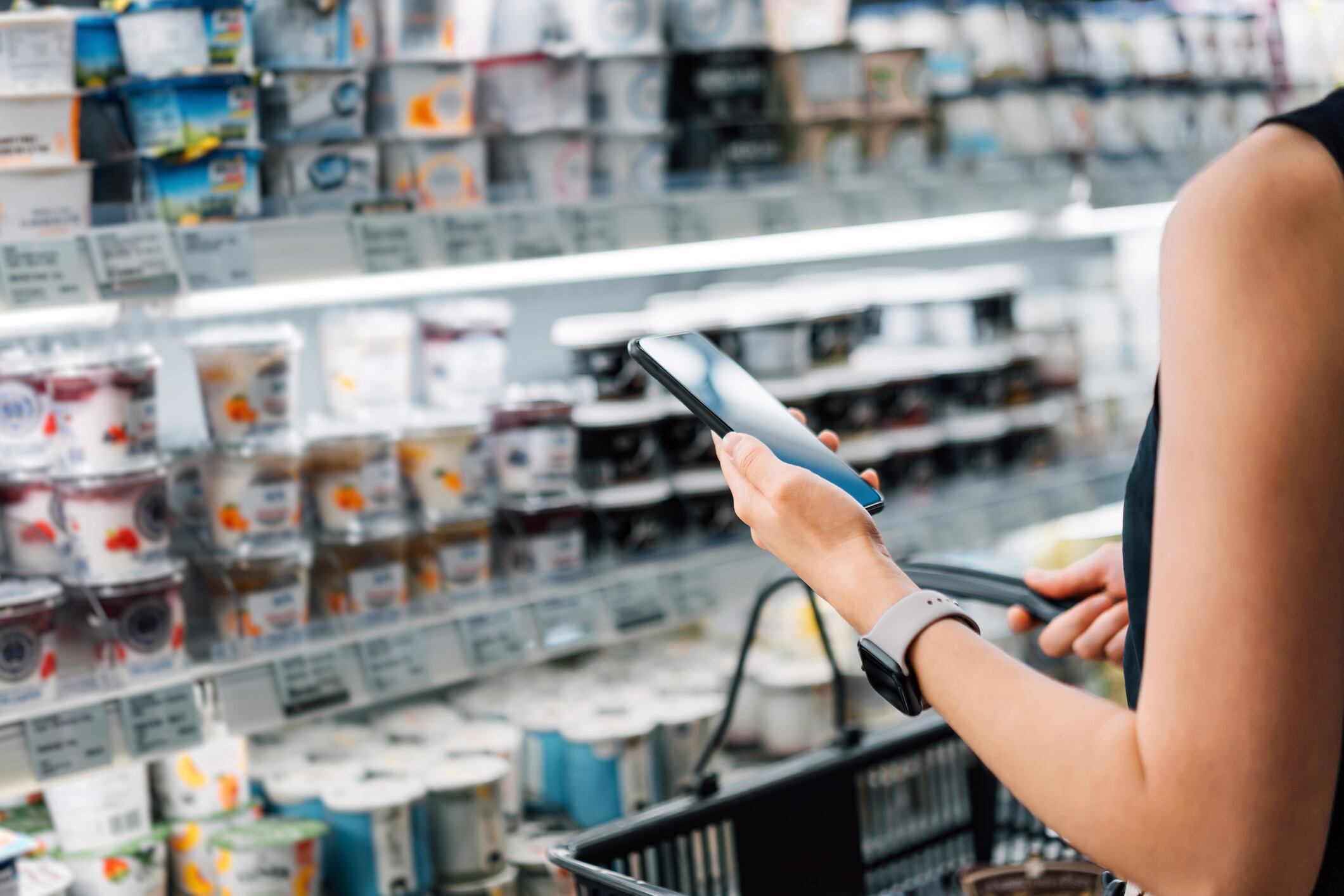
The rising cost of groceries is pushing more consumers to use Buy Now Pay Later (BNPL) services for necessities such as groceries, according to new data from Adobe Analytics.
In January and February, BNPL's share of online purchases jumped 10 percent year-over-year, while revenue fell by 19 percent. This suggests more consumers are using the services for smaller purchases. In the meantime, groceries share of BNPL purchases skyrocketed 40 percent.
That compares to a 8 percent increase for apparel and a 14 percent drop for electronics.
“The rise of Buy Now Pay Later usage for groceries tells us that consumers are likely making bigger purchases online to take advantage of special promotions and stock up on staples, thus managing living expenses in more flexible ways,” said Vivek Pandya, lead analyst at Adobe Digital Insights.
Overall, ecommerce demand is holding up despite economic uncertainty. In 2022, consumers spent $86.8 billion on groceries on ecommerce platforms, up 10.8 percent year-over-year.
“E-commerce demand has remained resilient in an uncertain economic environment, driven in part by lasting pandemic habits where consumers had no choice but to leverage online food and home furnishing shopping services,” Pandya said.
Food inflation affects eating and shopping. Students still get bulk deals, but are people trading down? Debate on price gouging and retailer control persists.
Arc'teryx CEO Stuart Haselden gives an exclusive look inside the outdoor sportswear brand's new NYC flagship store and introduces new MO/GO wearable hiking tech
The US Open kicks off in NYC, and USTA Chairman Dr. Brian Hainline discusses tennis’s growth, Djokovic's worries about pickleball, and the sport's future.
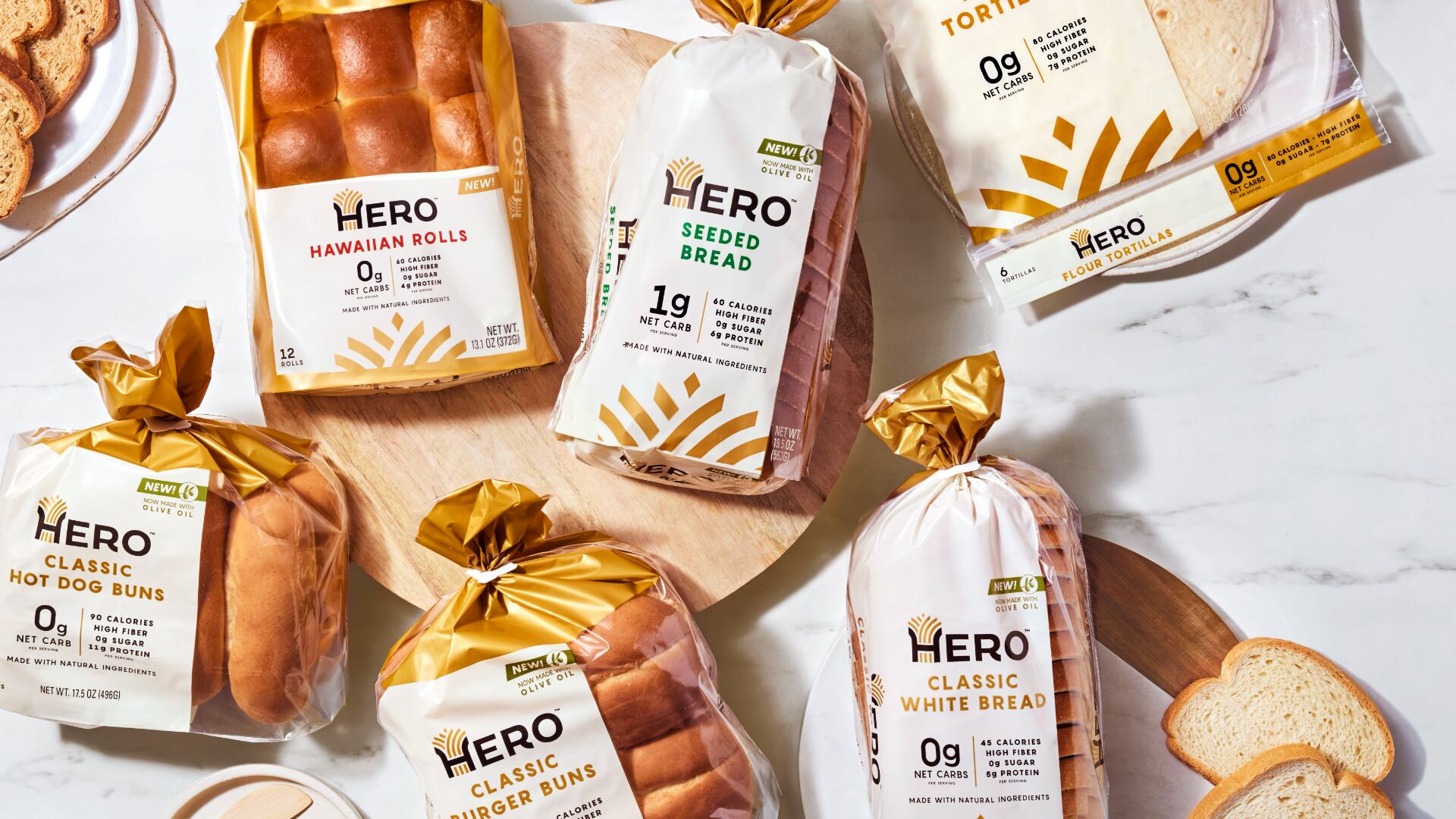
Hero Bread's viral low-carb, keto-friendly croissant, backed by celebrity investors like Tom Brady and Kevin Durant, is revolutionizing healthy eating.