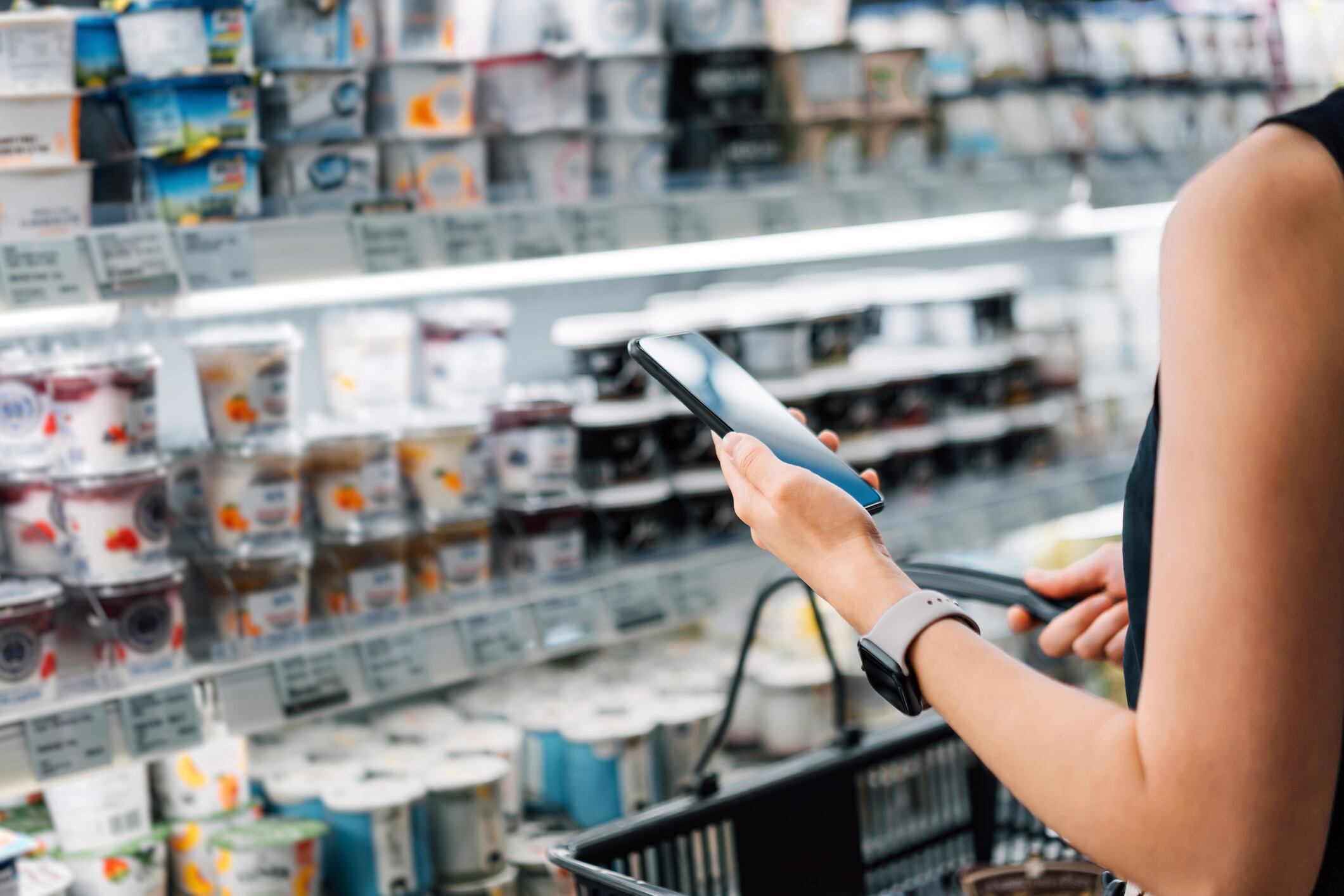
The rising cost of groceries is pushing more consumers to use Buy Now Pay Later (BNPL) services for necessities such as groceries, according to new data from Adobe Analytics.
In January and February, BNPL's share of online purchases jumped 10 percent year-over-year, while revenue fell by 19 percent. This suggests more consumers are using the services for smaller purchases. In the meantime, groceries share of BNPL purchases skyrocketed 40 percent.
That compares to a 8 percent increase for apparel and a 14 percent drop for electronics.
“The rise of Buy Now Pay Later usage for groceries tells us that consumers are likely making bigger purchases online to take advantage of special promotions and stock up on staples, thus managing living expenses in more flexible ways,” said Vivek Pandya, lead analyst at Adobe Digital Insights.
Overall, ecommerce demand is holding up despite economic uncertainty. In 2022, consumers spent $86.8 billion on groceries on ecommerce platforms, up 10.8 percent year-over-year.
“E-commerce demand has remained resilient in an uncertain economic environment, driven in part by lasting pandemic habits where consumers had no choice but to leverage online food and home furnishing shopping services,” Pandya said.
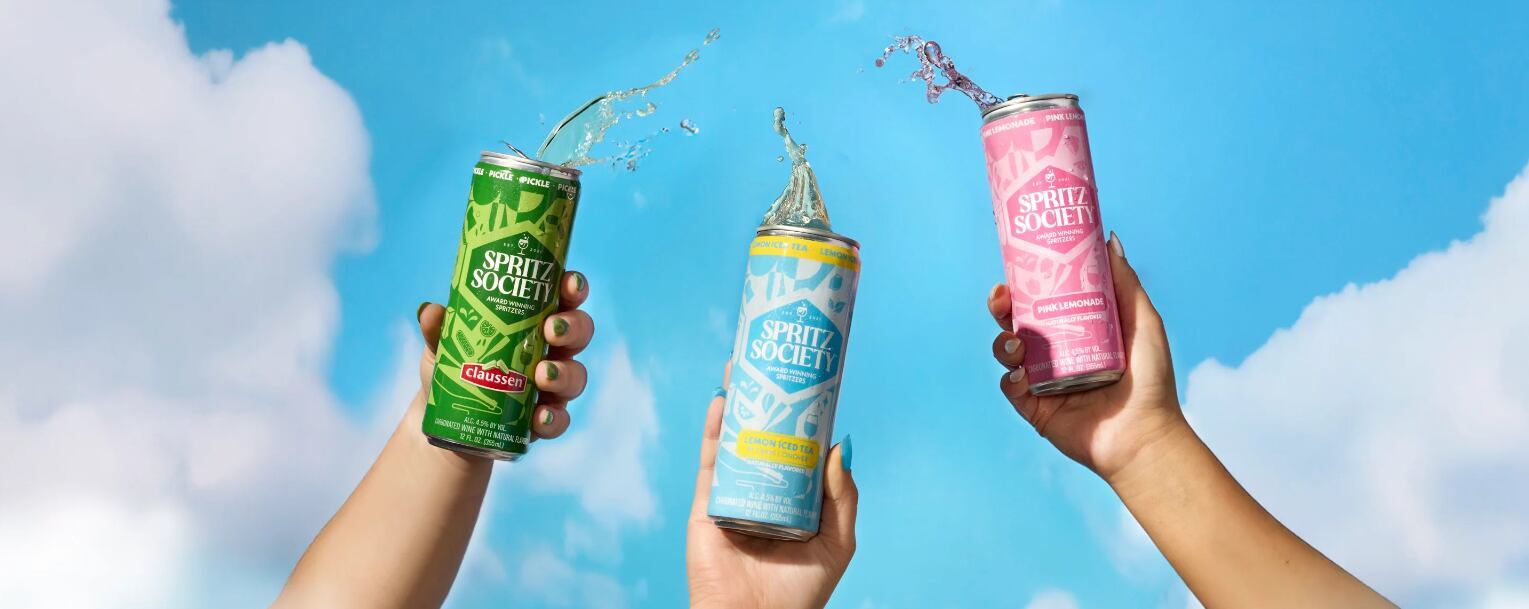
Ben Soffer, aka @boywithnojob, discusses his journey from social media influencer to entrepreneur and why he wanted to enter the competitive drink space. Watch!
StockstoTrade.com Technical Trainer, Tim Bohen, discusses why he thinks Trump is doing what he is doing and how it will affect the market going forward.
Jacob Sonenshine, Stock Pick Writer at Barron's, unpacks the current state of the markets, Trump's tariffs and if more volatility is on the way. Watch!
RedFin's Chen Zhao joins Cheddar to breakdown the current state of the housing market in the United States and what prospective homebuyers need to know. Watch!
That's what his former Commerce secretary says in this interview. Plus: IRS audits, TV news ratings, nasty insults, Minecraft, Prada, and the Panama Canal.