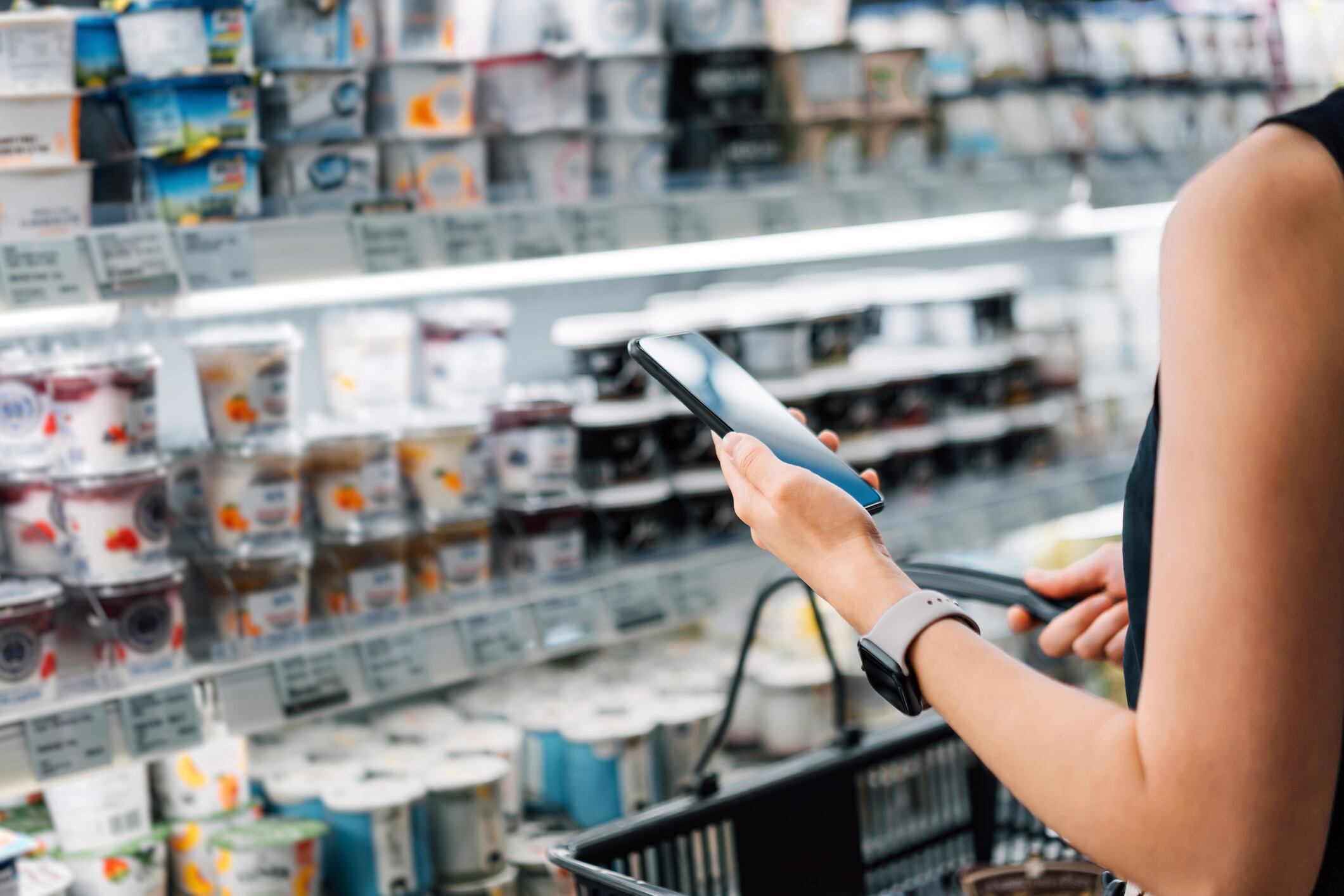
The rising cost of groceries is pushing more consumers to use Buy Now Pay Later (BNPL) services for necessities such as groceries, according to new data from Adobe Analytics.
In January and February, BNPL's share of online purchases jumped 10 percent year-over-year, while revenue fell by 19 percent. This suggests more consumers are using the services for smaller purchases. In the meantime, groceries share of BNPL purchases skyrocketed 40 percent.
That compares to a 8 percent increase for apparel and a 14 percent drop for electronics.
“The rise of Buy Now Pay Later usage for groceries tells us that consumers are likely making bigger purchases online to take advantage of special promotions and stock up on staples, thus managing living expenses in more flexible ways,” said Vivek Pandya, lead analyst at Adobe Digital Insights.
Overall, ecommerce demand is holding up despite economic uncertainty. In 2022, consumers spent $86.8 billion on groceries on ecommerce platforms, up 10.8 percent year-over-year.
“E-commerce demand has remained resilient in an uncertain economic environment, driven in part by lasting pandemic habits where consumers had no choice but to leverage online food and home furnishing shopping services,” Pandya said.
Skift Editor-In-Chief Sarah Kopit discusses how summer travel plans remain uncertain for most as many international travelers are leery to travel abroad. Watch!
Seth Schachner, Managing Director at Strat Americas, on Hollywood's latest blockbusters utilizing content creation. Plus, the future of YouTube and TikTok.
Ashley Gold, Axios' Tech/Policy reporter, discusses what the future of Google and search engines will look like after the tech giant faces an antitrust trial.
Seth Goldstein, Equity Strategist at Morningstar, breaks down Tesla's earnings report, talks Musk's future with the company and how stocks have responded.
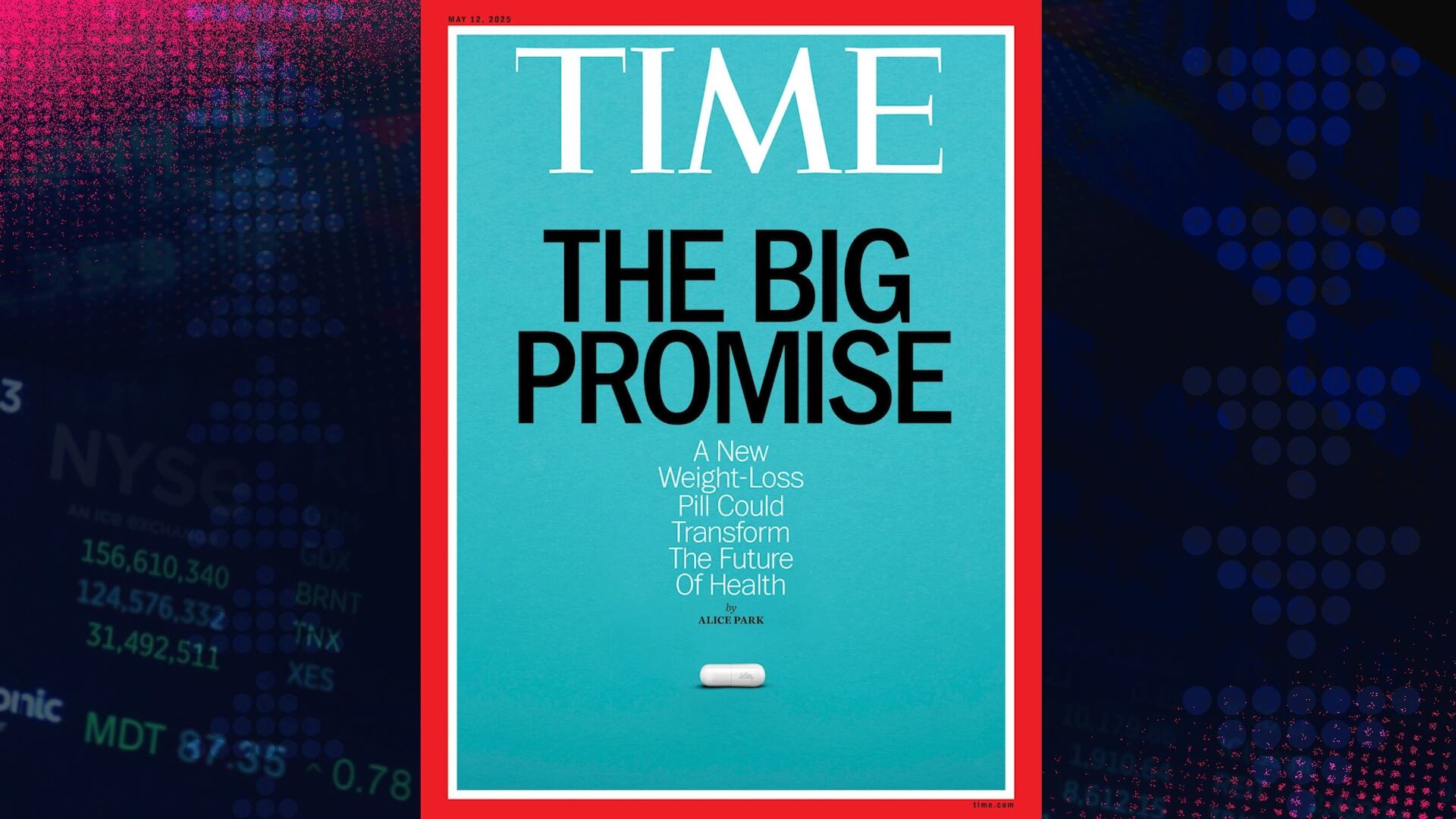
Senior Health Correspondent for TIME, Alice Park, gives us a deeper look into how Eli Lilly's new pill orforglipron may change the healthcare industry.
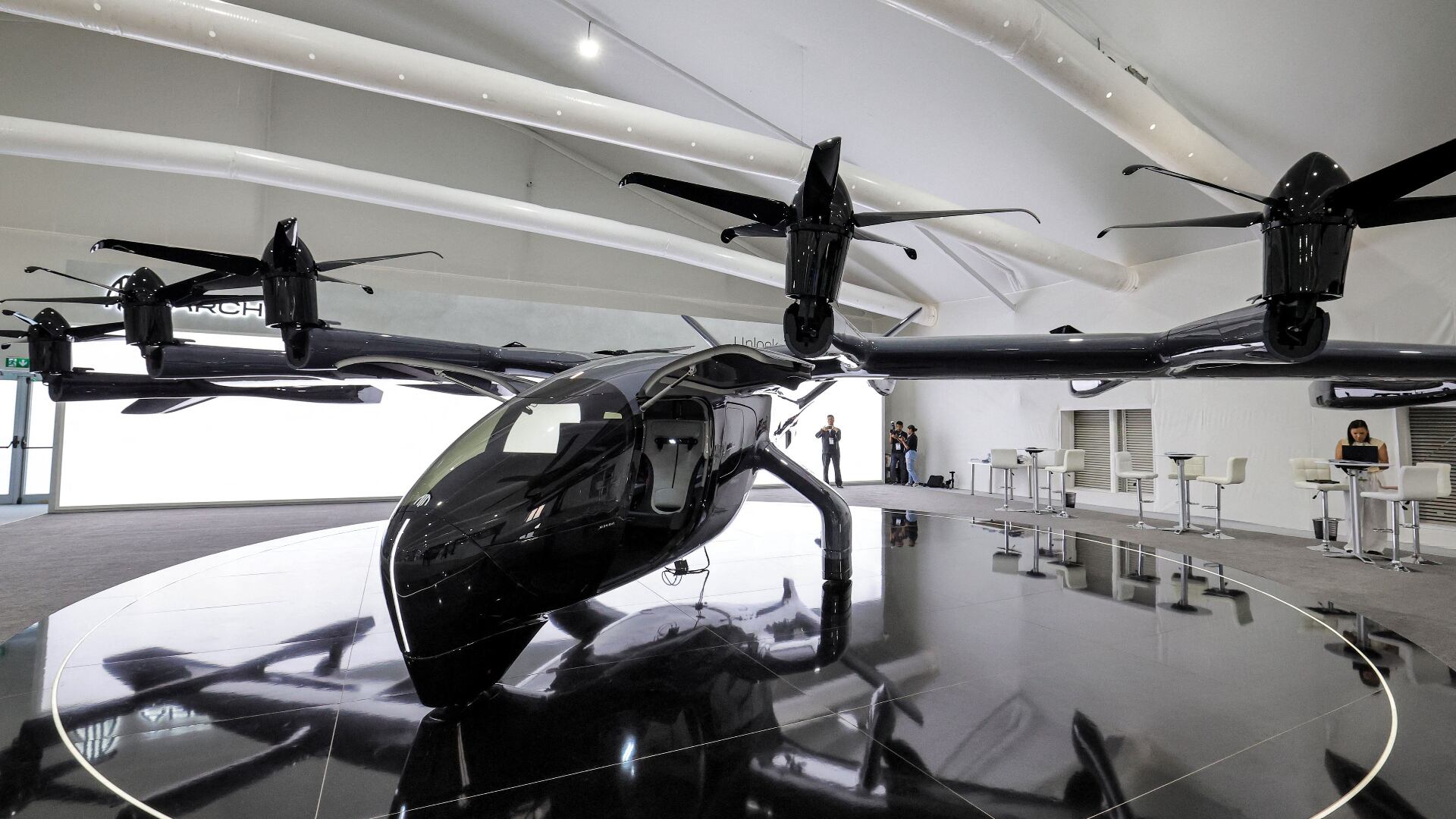
Archer Aviation CEO Adam Goldstein talks about the advancements in electric air taxis and how his company is changing the future of air transportation. Watch!