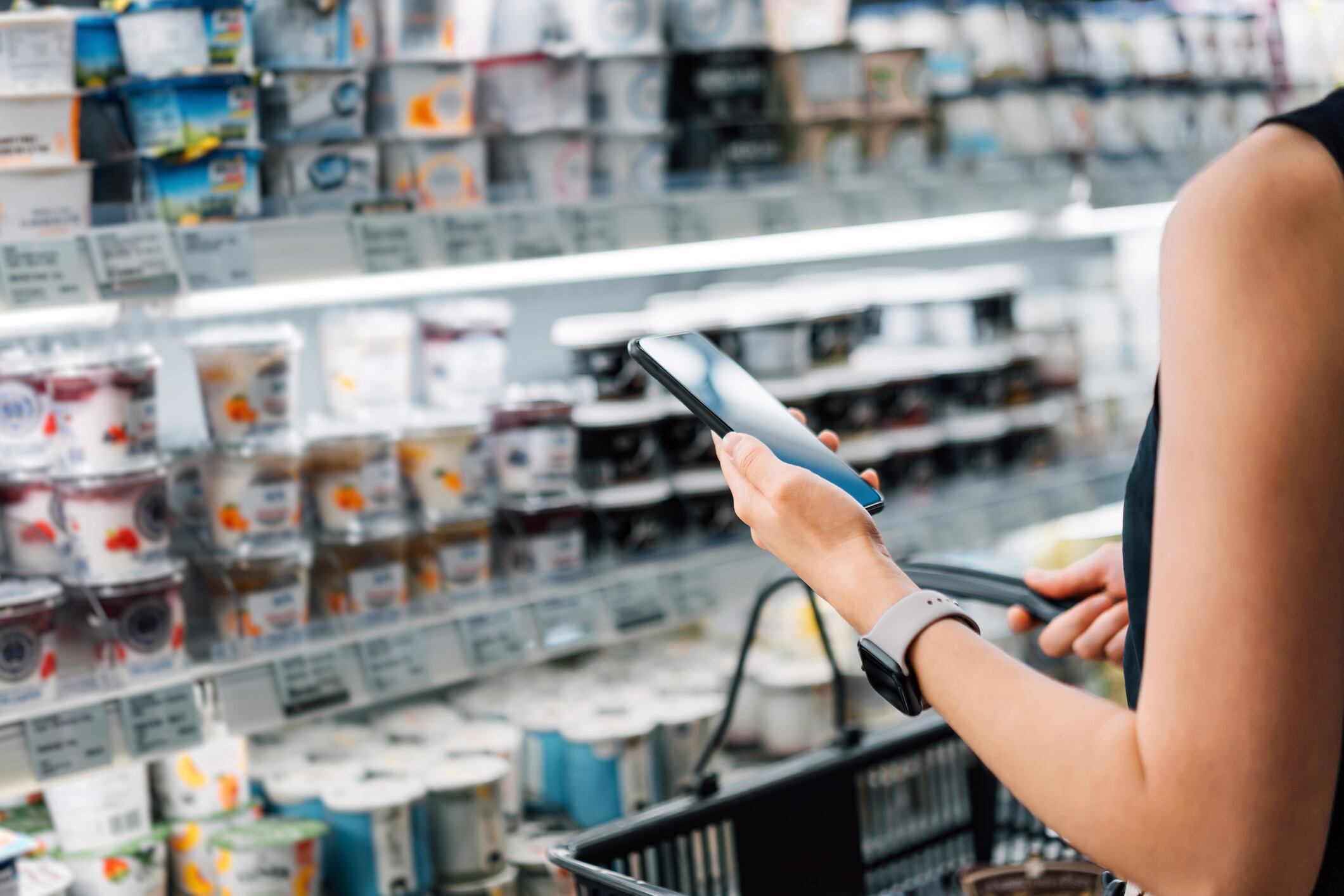
The rising cost of groceries is pushing more consumers to use Buy Now Pay Later (BNPL) services for necessities such as groceries, according to new data from Adobe Analytics.
In January and February, BNPL's share of online purchases jumped 10 percent year-over-year, while revenue fell by 19 percent. This suggests more consumers are using the services for smaller purchases. In the meantime, groceries share of BNPL purchases skyrocketed 40 percent.
That compares to a 8 percent increase for apparel and a 14 percent drop for electronics.
“The rise of Buy Now Pay Later usage for groceries tells us that consumers are likely making bigger purchases online to take advantage of special promotions and stock up on staples, thus managing living expenses in more flexible ways,” said Vivek Pandya, lead analyst at Adobe Digital Insights.
Overall, ecommerce demand is holding up despite economic uncertainty. In 2022, consumers spent $86.8 billion on groceries on ecommerce platforms, up 10.8 percent year-over-year.
“E-commerce demand has remained resilient in an uncertain economic environment, driven in part by lasting pandemic habits where consumers had no choice but to leverage online food and home furnishing shopping services,” Pandya said.
Ford Motor Co. is resuming construction on a Michigan electric vehicle battery plant that the company postponed two months ago during a strike by the United Auto Workers union.
The marketing slogan for Stanley Tumbler flask products is built for life and it looks like one video proves that to be true after a woman showed her burned-out car on TikTok along with her Tumbler cup, which was left undamaged.
Nvidia's stock closed at an all-time high Monday at above $504 a share, ahead of the company's latest quarterly earnings report which is due out later Tuesday.
The CEOs of three popular tech companies have been subpoenaed by the Senate Judiciary Committee, which ordered the heads of Discord, Snap and X to testify at a hearing on protecting children online.
'X' owner Elon Musk says he is suing watchdog group Media Matters after the group published an analysis writing that the social media company was placing advertisements from several brands next to anti-Semitic content.