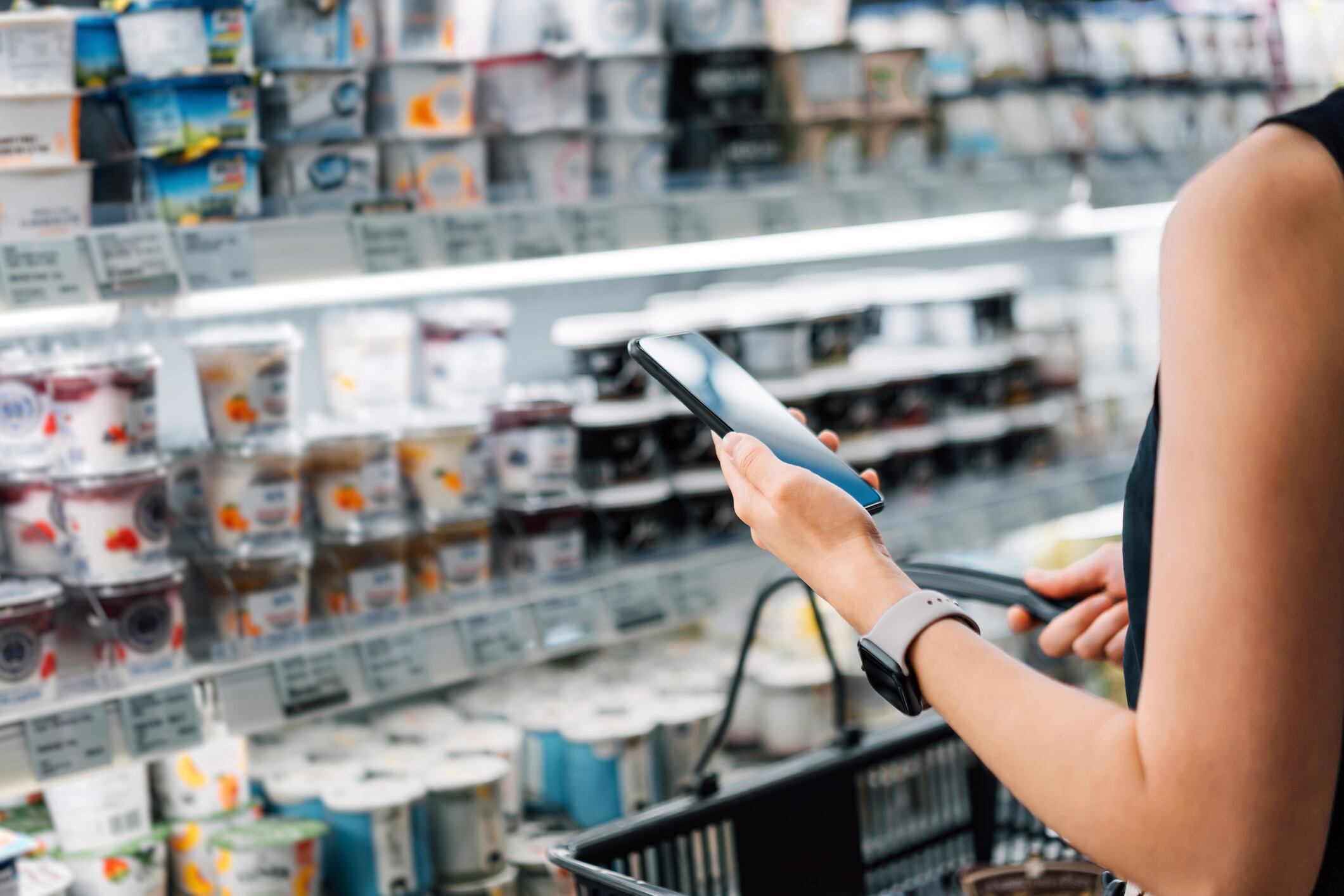
The rising cost of groceries is pushing more consumers to use Buy Now Pay Later (BNPL) services for necessities such as groceries, according to new data from Adobe Analytics.
In January and February, BNPL's share of online purchases jumped 10 percent year-over-year, while revenue fell by 19 percent. This suggests more consumers are using the services for smaller purchases. In the meantime, groceries share of BNPL purchases skyrocketed 40 percent.
That compares to a 8 percent increase for apparel and a 14 percent drop for electronics.
“The rise of Buy Now Pay Later usage for groceries tells us that consumers are likely making bigger purchases online to take advantage of special promotions and stock up on staples, thus managing living expenses in more flexible ways,” said Vivek Pandya, lead analyst at Adobe Digital Insights.
Overall, ecommerce demand is holding up despite economic uncertainty. In 2022, consumers spent $86.8 billion on groceries on ecommerce platforms, up 10.8 percent year-over-year.
“E-commerce demand has remained resilient in an uncertain economic environment, driven in part by lasting pandemic habits where consumers had no choice but to leverage online food and home furnishing shopping services,” Pandya said.
The number of Americans applying for unemployment benefits fell sharply last week, a sign that U.S. job market remains resilient despite higher interest rates.
The ousted leader of ChatGPT-maker OpenAI is returning to the company that fired him late last week, culminating a days-long power struggle that shocked the tech industry and brought attention to the conflicts around how to safely build artificial intelligence.
New Jersey will prohibit the sale of new gasoline-powered vehicles by 2035 as part of an effort to improve air quality and reduce planet-warming pollutants, officials announced Tuesday.
The founder of Binance, the world’s largest cryptocurrency exchange, pleaded guilty Tuesday to a felony charge that he failed to take steps to prevent money laundering as the company agreed to pay more than $4 billion following an investigation by the U.S. government.
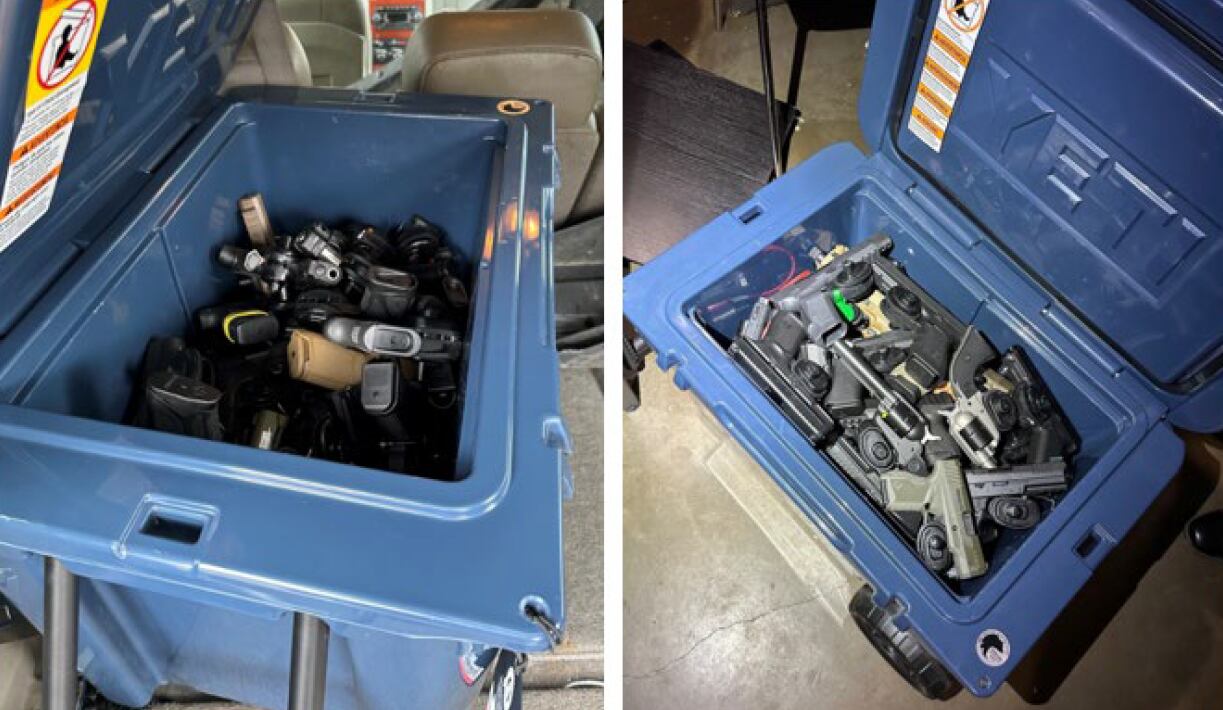
More than 100 handguns were stolen from a store in southwestern Michigan after the manager was held at gunpoint outside his home and forced to reveal how to turn off the alarm, authorities said Tuesday.