The latest consumer price index data is out, which means another opportunity to debate whether the recent bout of inflation in 2021 is only transitory or here to stay.
This month, it's looking like #teamtransitory can chalk up a modest win, though inflation remains elevated year-over-year.
Headline CPI, the Bureau of Labor Statistics' monthly measure of prices covering everything from energy to durable goods and food costs, increased 0.3 percent in August. That's down from a 0.5 percent increase in July, but still up 5.3 percent year-over-year.
"It was certainly good news, but it does not resolve the debate about whether or not inflation is transitory or will be more sustained," said Greg McBride, chief financial analyst for Bankrate, a consumer financial services company.
The 5.4 percent year-over-year gains in June and July were the highest since 2008. The elevated inflation levels have fueled calls from more inflation-averse economists and market participants for the U.S. Federal Reserve to act more decisively in tamping down price increases.
COVID-19 Guides Inflation Policy
Fed Chair Jerome Powell, meanwhile, has been consistent in urging patience, as COVID-related supply constraints worked themselves out. The slight pullback in August gives the central bank some leeway, according to McBride.
"This buys the Fed all the cover they want to delay any type of tapering announcement," he said. "They can officially kick the can down the road to their November meeting."
He predicted that next week's meeting of the Federal Open Market Committee, which determines interest rates and asset purchasing, won't bring any surprises, given this month's CPI data and the overall economic uncertainty brought on by the Delta variant.
Many economists share Powell's view that as the impact of the pandemic fades, so will inflation.
"We remain optimistic that as Delta fades, supply and demand will even out and support reduced rates of inflation," said Lindsey Bell, chief investment strategist for Ally Invest, an online investment app.
Beneath the headline number, however, a shift is underway in what kinds of products are driving up inflation.
What Will Cost More
For much of 2021, a handful of categories severely impacted by supply constraints, such as used cars and airline travel, fueled the uptick. Now inflation appears to be broadening.
Airline fares, for instance, fell 9.1 percent last month, while used car and truck prices dropped 1.5 percent after several months of jaw-dropping spikes, which correlated with industry-wide shortages.
"We believe the annual rate peaked in June as the strong base effects are subsiding and wholesale price increases for used car and trucks have moderated greatly," read a rapid response to the CPI data from Oxford Economics, a global forecasting and analysis firm.
Despite this moderation, economists aren't banking on supply chain bottlenecks clearing up entirely this year. (Just check in at the Port of Los Angeles, which is currently experiencing its worst delays of the pandemic.) This means supply/demand imbalances will remain "elevated and sticky" for the foreseeable future, according to Oxford Economics.
Even as they share Powell's view that the economy is not headed for the dreaded wage-price spiral that many fear could lead to 1970s-style hyperinflation, the firm anticipates price increases to remain persistently above 2 percent — the Fed's baseline — through 2022.
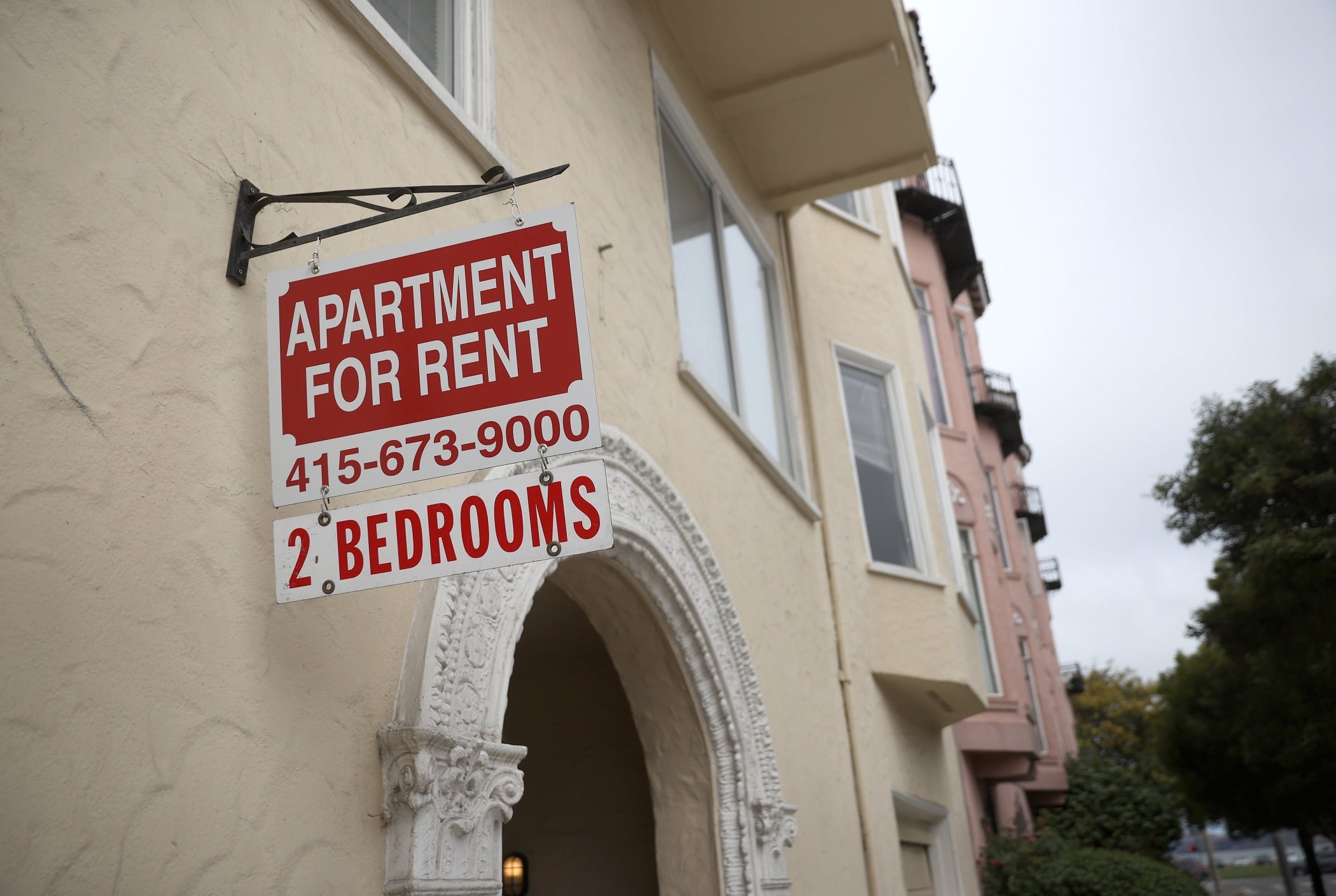
The question is, how much and in what parts of the economy and one answer is rent price.
"One category in particular that we're really going to have to keep an eye on over the next several months is shelter and specifically rent and owners' equivalent rent," McBride said.
While overall shelter prices were up 0.2 percent, lodging away from home was down, in part due to the impact of Delta. The index for rent and owners’ equivalent rent, meanwhile, both rose 0.3 percent in August. This is still well below pre-pandemic levels, but economists predict those numbers will continue to rise as elevated prices in the housing market — not covered in the CPI — trickle down to rent prices.
This is potentially a big deal because rent is given much more weight in the CPI than, say, used cars.
"I think the change that we're likely to see in the next few months is that instead of these huge spikes in just a handful of line items, it is likely to be broader," McBride said.


