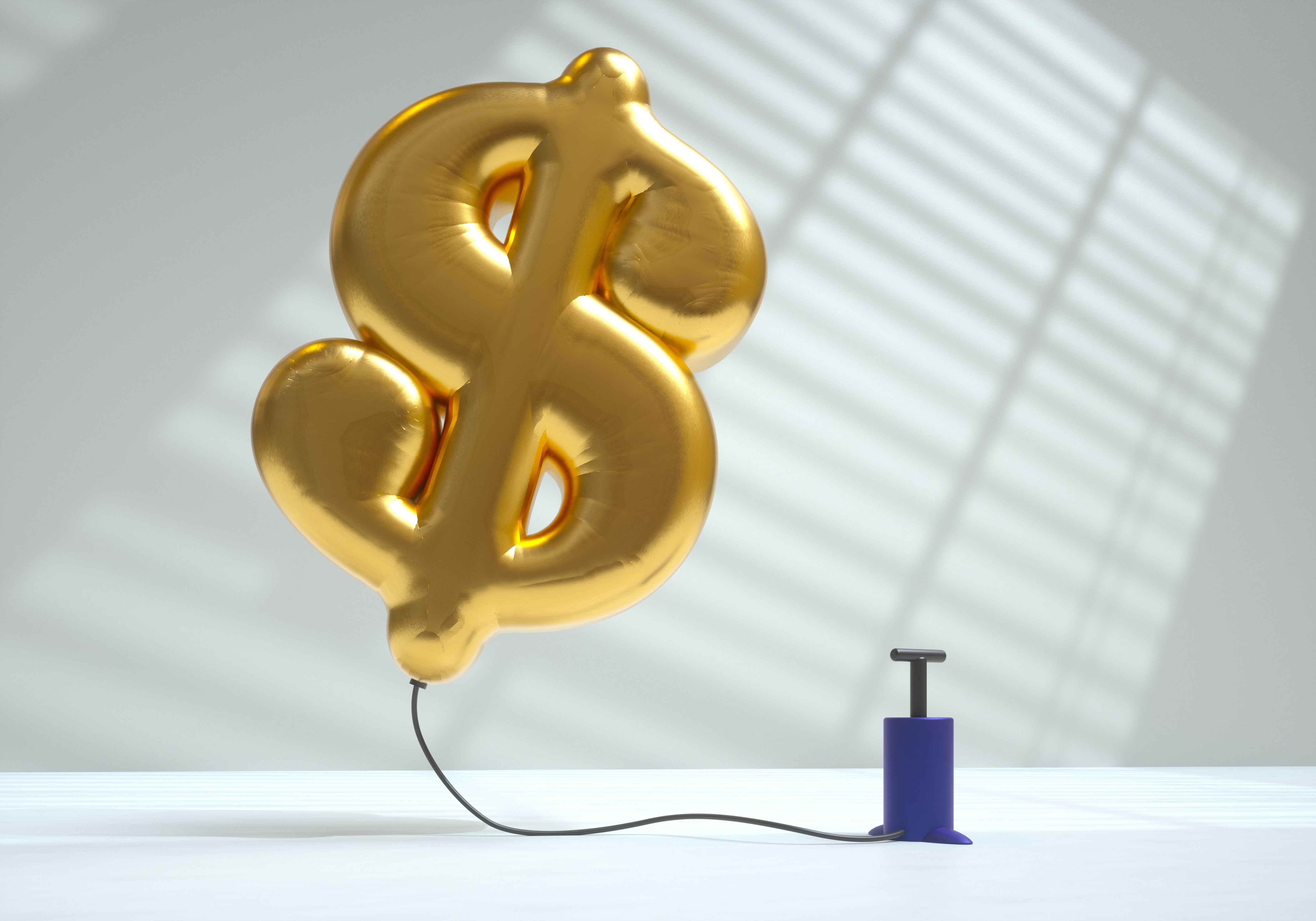
No one likes inflation: not you, not economists, and certainly not the federal government. Unfortunately, it’s still with us both. Although the United States saw a slowdown of inflation in its most recent figures, it was not to the extent analysts had hoped for. Annual inflation in January came in at 3.1%, down from 3.4% in December but still higher than the 2.9% many had been expecting. It also remains above the Federal Reserve’s target of 2%.
Core consumer price index (CPI), which measures inflation but doesn’t include more volatile food and energy prices, was up 3.9% compared to a year ago.
The development has sparked debate among financial experts, policymakers, and everyday Americans alike about what this means for the future of the U.S. economy and the cost of living.
The United States, like much of the world, has been hit by soaring inflation after printing an estimated $3.3 trillion in 2020 to reinforce the economy during the pandemic. It’s been fighting a war to bring it back down ever since.
Up until now, it’s largely been winning that war. Inflation reached a peak of 9.1% in June 2022 but has been falling from that point onward. The latest figures show that the fall is ongoing but suggest that inflation still isn’t fully under control.
This less-than-expected slowdown has mixed implications. On one hand, it signals that the economy is moving towards a more stable environment, with price rises easing.
On the other, the slower pace of deceleration suggests that inflationary pressures are still very much at play, posing challenges for both the Fed and the wider economy.
The Fed’s Balancing Act
The U.S. central bank has been in a tight spot, trying to manage inflation by raising interest rates without tipping the economy into a recession. It now faces an even more complex situation; with inflation slowing down less than expected, the U.S. economy is now at a crossroads.
Raising rates further could dampen economic growth and heighten the risk of a recession while holding or cutting rates might not be enough to combat inflation effectively.
Over the past three years, @POTUS has driven the strongest economic comeback of our lifetimes. Today, we received more data that shows that inflation is significantly down from its highs as the American economy continues to grow. pic.twitter.com/6aNZHj0vyv
— Secretary Janet Yellen (@SecYellen) February 14, 2024
The Biden administration has been eager to focus on the positive side of the news—that inflation is still coming down. His team will be hoping it continues to fall between now and November 5, when voters head to the polls in the presidential election.
Impact on Consumers and Businesses
For consumers, the news is a double-edged sword. While any slowdown in inflation is welcome, the fact that it's not slowing as fast as hoped means that the cost of living continues to go up. Prices for essentials like food, housing, and fuel, although stabilizing, remain a significant burden for many Americans.
The 3.1% figure is just an average of the increase, too, as prices are rising faster in some areas of the economy than others. The cost of eating out was up 5.1% in December 2023 compared to 2022, whilst transportation and shelter were up 9.5% and 6% respectively. The inflation figures were largely pulled down by falling energy prices.
Borrowers and small and medium-size businesses also find themselves in a precarious position. The cost of borrowing will increase if the Fed decides to raise interest rates further, which would impact their operations and growth. But at the same time, businesses must navigate the challenges of passing on costs to consumers who are already feeling the pinch.
Looking Ahead
As the U.S. grapples with this slower-than-expected inflation deceleration, all eyes will be on the Fed’s next moves. Its decisions in the coming months will be crucial in shaping the economic trajectory of the country; it must walk a tightrope between bringing inflation down and avoiding stifling economic growth.
The Fed has said it’s in no rush to lower interest rates and wants to see evidence that inflation is falling before doing so; the latest numbers are unlikely to persuade them. Interest rates have been between 5.25% and 5.5% since July 2023, their highest since January 2021, just after the dot-com bubble burst.
Fed chairman Jerome Powell told CBS earlier this month that he expects to make three 0.25% rate cuts this year. We’ll find out over the course of this year whether that prediction comes to fruition or not.
While the recent inflation figures offer hope, they also serve as a reminder of the ongoing challenges in managing inflation and sustaining economic growth. The path forward remains uncertain, and with an election coming up this year, careful policymaking and management of the economy are more critical than ever.