Inflation is finally coming down, but Federal Reserve Chair Jerome Powell warned that the U.S. economy is not out of the woods yet.
In a question-and-answer session at the Economic Club of Washington, DC, the nation's top banker said that he expects the process to take some time.
“The disinflationary process, the process of getting inflation down, has begun and it’s begun in the goods sector, which is about a quarter of our economy,” he said. “But it has a long way to go. These are the very early stages.”
The comments track with Powell's previous statements that goods inflation is only part of the run-up in prices, and that services are now one of the biggest drivers of inflation.
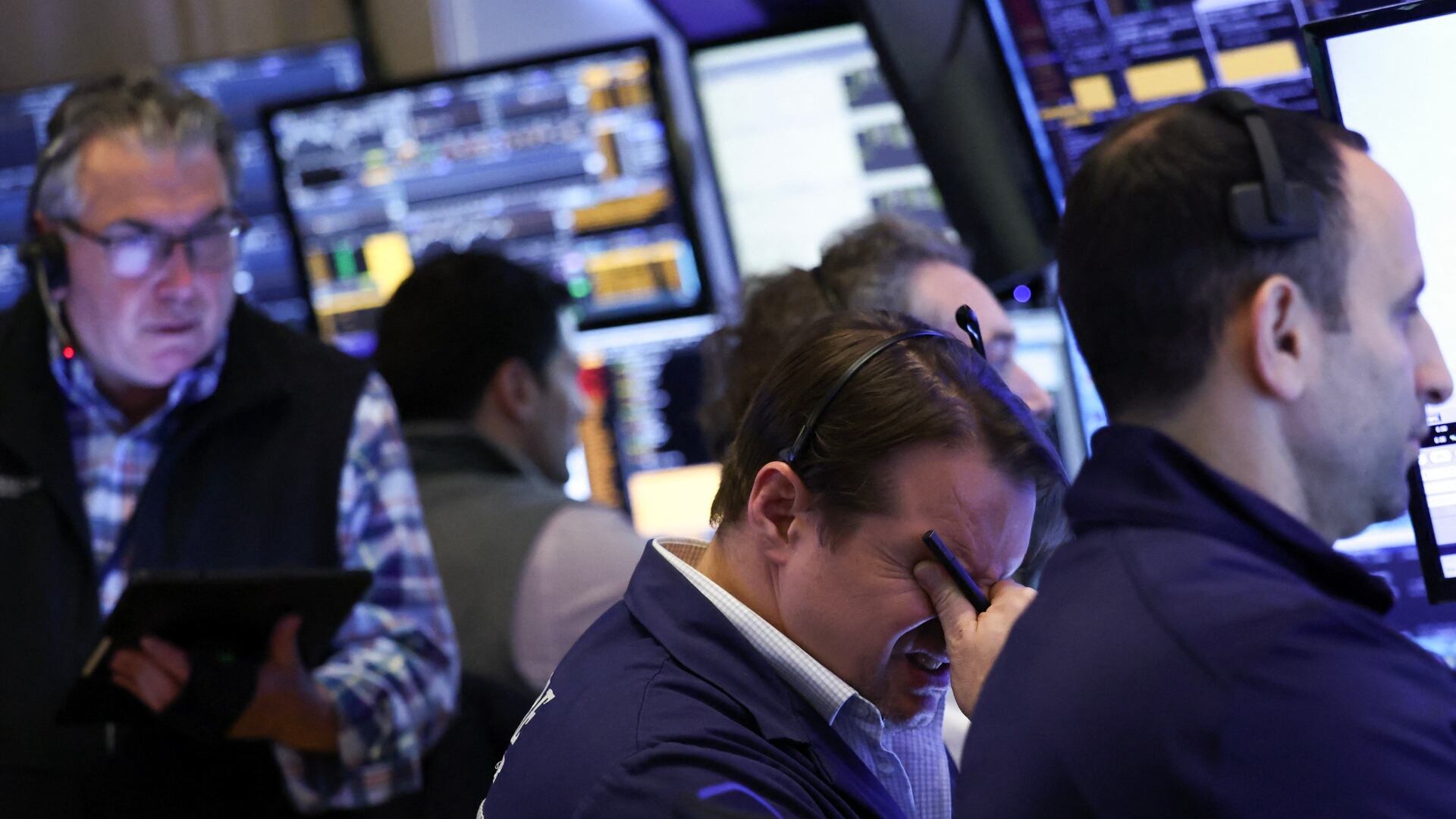
Despite Powell sticking to his guns that inflation could be here for a while, stocks got a bump on Tuesday following the comments. Many investors appear to be holding out hope that the Fed will soon pull back on rate hikes, which would give equity markets some room to breathe.
Powell, for his part, stressed that it will likely take another full year for inflation to be brought under control. “We expect 2023 to be a year of significant declines in inflation. It’s actually our job to make sure that that’s the case,” he said.
Still, the Fed has already started moderating its stance. Earlier this month, the Fed announced a 25-basis-point hike, down from 50 basis points enacted at its previous meeting.
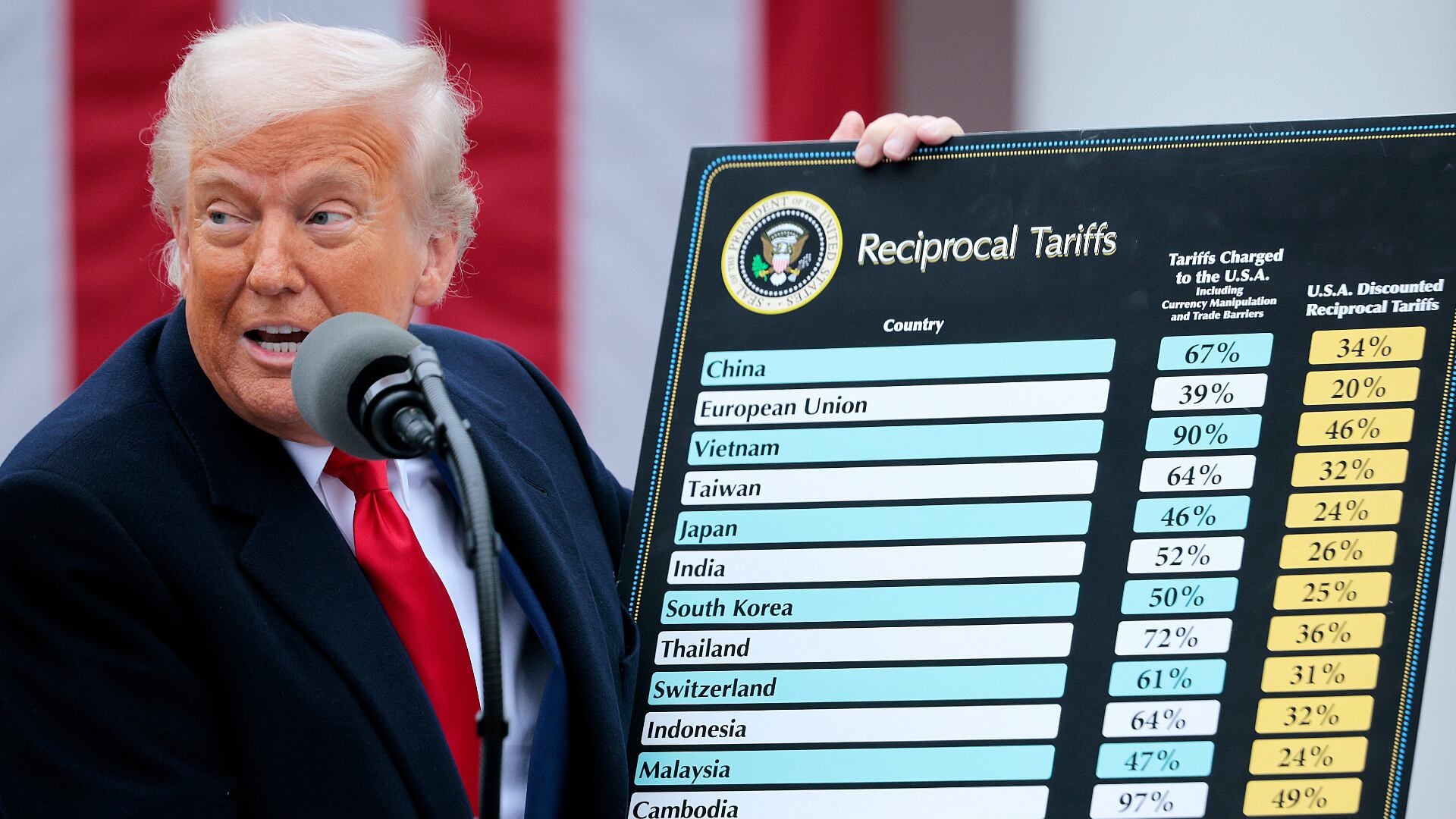
Jeremy Jansen, Head of Global Supply Chain and Trade Sales at Wells Fargo, helps us understand how trade will be affected by tariffs implemented by Trump.
Kory Kantenga, Head of Economics for the Americas at LinkedIn, talks the current state of the labor market and how it has evolved since the pandemic. Watch!
Caraway CEO, Jordan Nathan, joins Cheddar to discuss how one bad accident turned into a successful business venture and how it will help you in the kitchen.
Chelsey Dulaney, reporter from The Wall Street Journal, takes us inside her piece about American Exceptionalism Trade and explains how it will affect consumers.
Sunset Magazine Editor-In-Chief, Hugh Garvey, talks the latest issue on the LA fires' threat to the California dream and the importance of the recovery efforts.