Inflation hit another four-decade high in February, according to the latest Consumer Price Index, priming the U.S. economy for persistent price gains through 2022.
The index increased 0.8 percent month-over-month, up from 0.6 in January, and 7.9 percent from a year ago, with gasoline, food, and shelter contributing the biggest chunks to the uptick.
The days of blaming hot inflation reports on a handful of durable goods such as used cars are over. The food index rose a full percentage point on its own, and shelter rose 0.5 percent.
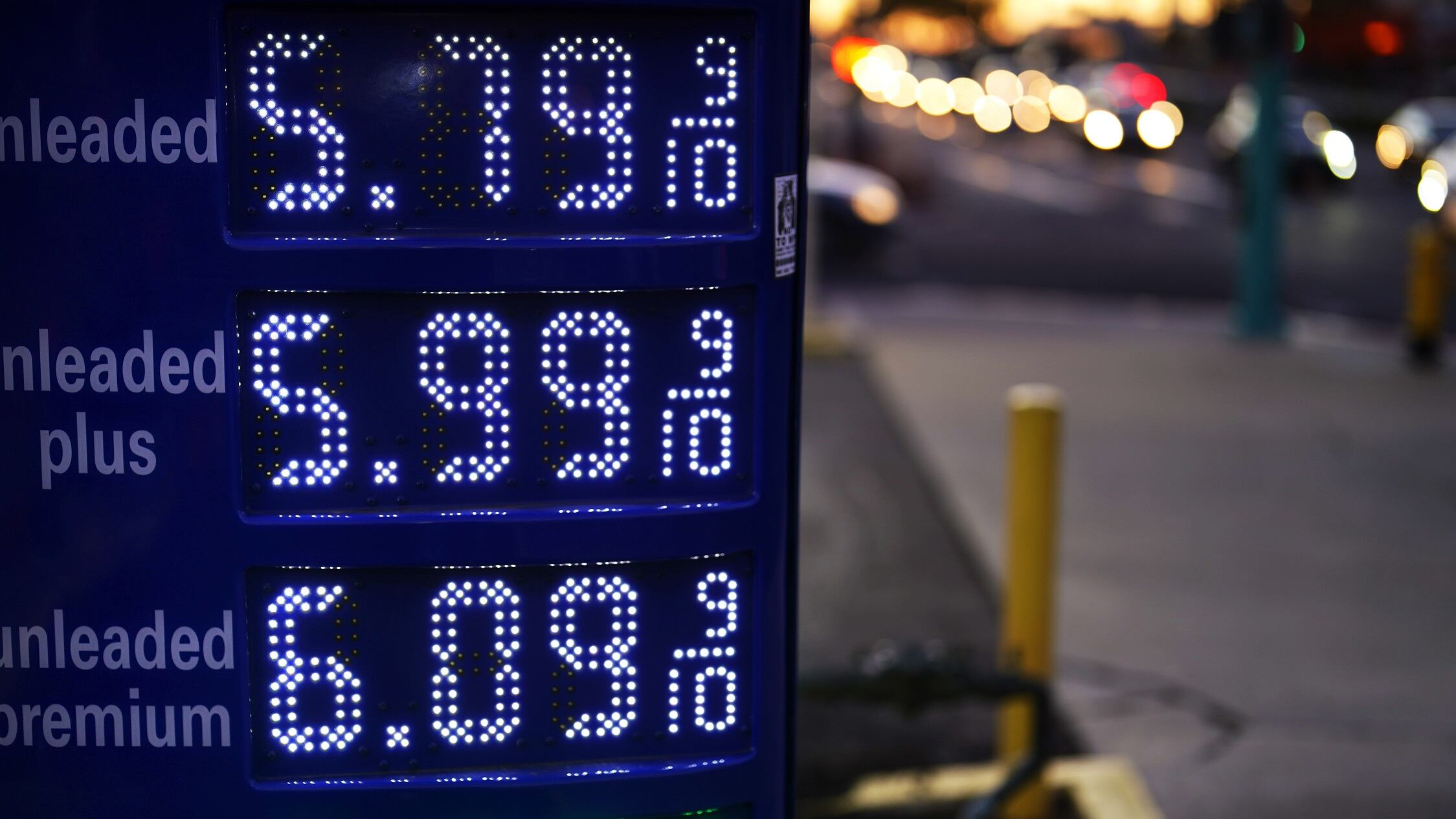
Gasoline, meanwhile, stole the show with a 6.6 percent increase, which is up from a slight monthly decline in January. As many headlines are pointing out today, this increase came before the recent surge in gasoline prices brought on by the war in Ukraine.
The price at the pump hit $4.31 Thursday, which is up 59 cents from a week ago, according to AAA, suggesting that next month's inflation reading is likely to be much higher.
"The Russia-Ukraine war adds further fuel to the blazing rate of inflation via higher energy, food, and core commodity prices that are turbo charged by a worsening in supply chain problems," wrote Kathy Bostjancic, chief U.S. financial economist for Oxford Economics, in a release. "This will lead to a higher near-term peak in inflation and a slower descent through 2022 than previously envisaged."
As for those much-discussed used cars, they're still up 41.2 percent year-over-year, but actually saw their first decline in price since September 2021. This tracks with recent data that wholesale prices for used cars are ticking downward. In addition, the price of new cars ticked up 0.3 percent, up from zero last month, as supply chain snarls continue to haunt the market.
Electricity prices also dropped, which is a testament to how the U.S. energy situation this winter diverged from gas-strapped countries in Europe that saw skyrocketing utility bills. Energy overall though (including gasoline, fuel oil and piped gas) was up 25.6 percent from a year ago.
Within the food category, beef notably was up 16.2 percent from last year. This has led some lawmakers to blame anti-competitive practices in the highly-monopolized meat industry. Poultry was also up 12 percent year-over-year.
This month's report also doesn't account for the surge over the last two weeks in other commodity prices outside of oil. As sanctions pummel Russia's economy, prices for wheat, corn, and metals such as nickel are also rising and could trickle down to higher prices in the U.S.
The report puts further pressure on the Federal Reserve to move ahead with rate hikes next week at its FOMC meeting. The central bank will also be balancing recent market instability stoked by war in Ukraine, but many economists still expect a 25 basis point hike.




