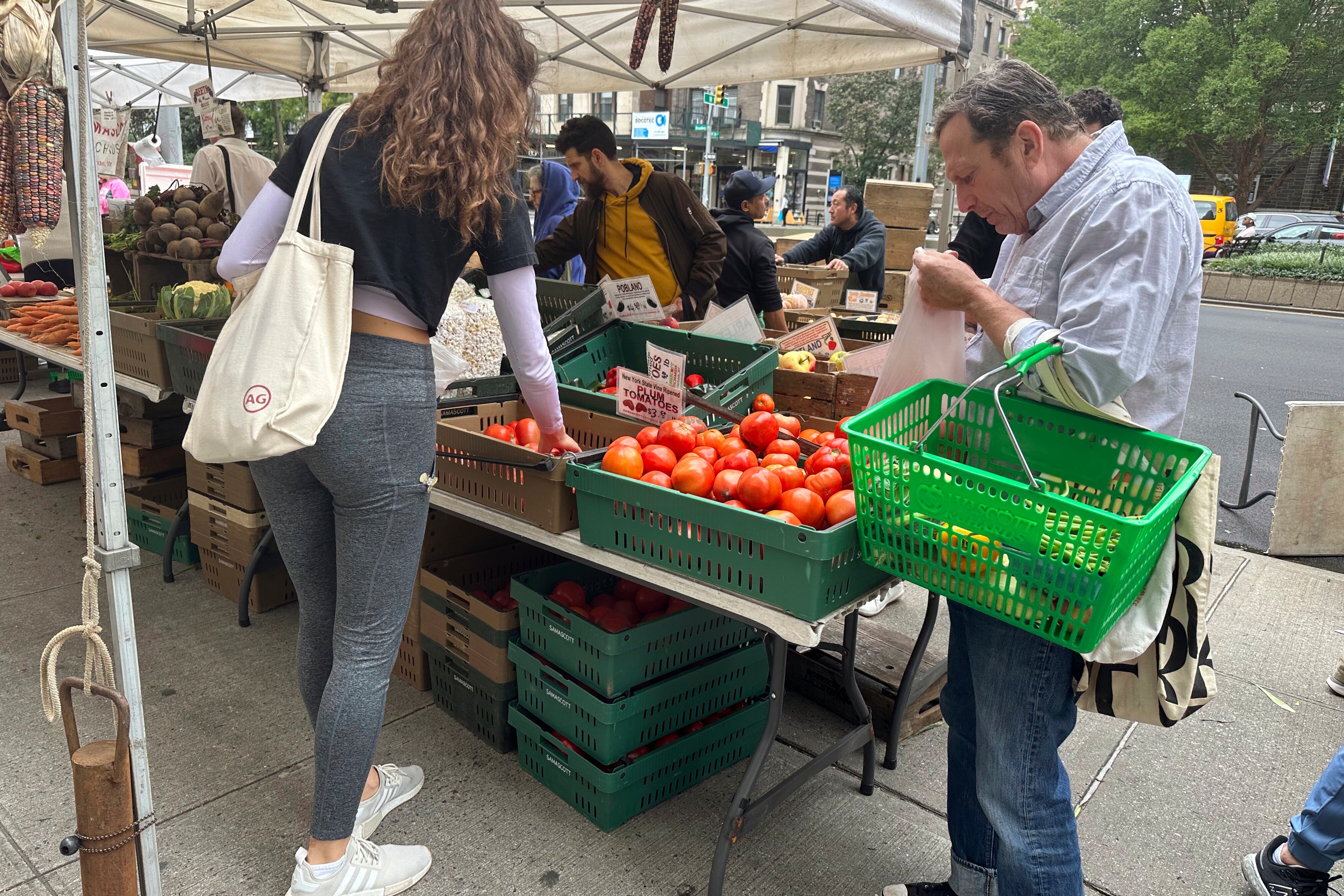
Higher rents and food prices boosted overall U.S. inflation in December, a sign that the Federal Reserve's drive to slow inflation to its 2% target will likely remain a bumpy one.
Thursday’s report from the Labor Department showed that overall prices rose 0.3% from November and 3.4% from 12 months earlier. Those gains exceeded the previous 0.1% monthly rise and the 3.1% annual inflation in November.
Excluding volatile food and energy costs, though, so-called core prices rose just 0.3% month over month, unchanged from November's increase. Core prices were up 3.9% from a year earlier, down a tick from November's 4% year-over year gain. Economists pay particular attention to core prices because, by excluding costs that typically jump around from month to month, they are seen as a better guide to the likely path of inflation.
Overall inflation has cooled more or less steadily since hitting a four-decade high of 9.1% in mid-2022. Still, the persistence of still-elevated inflation helps explain why, despite steady economic growth, low unemployment and healthy hiring, polls show many Americans are dissatisfied with the economy — a likely key issue in the 2024 elections.
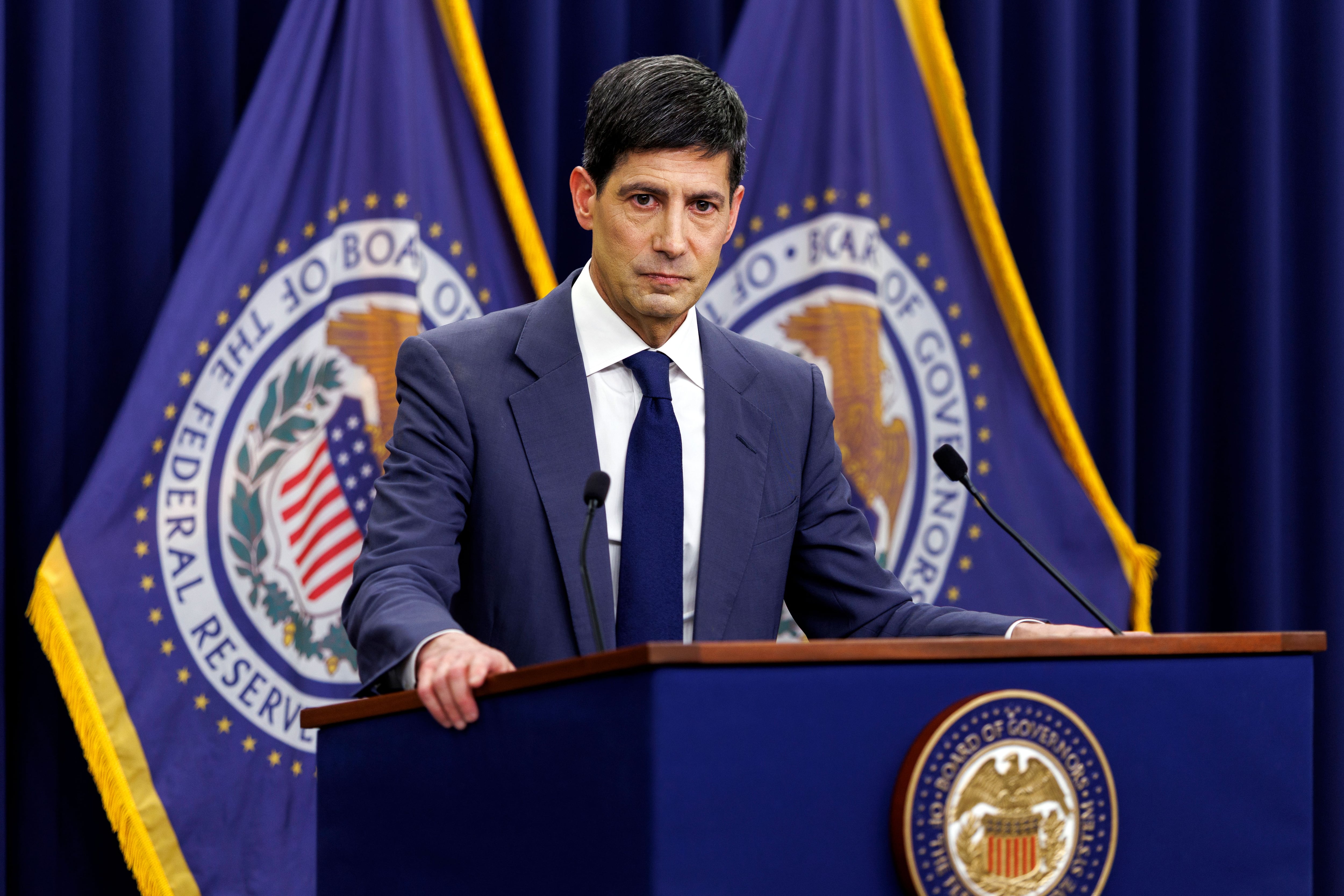
The Federal Reserve, which began aggressively raising interest rates in March 2022 to try to slow the pace of price increases, wants to reduce year-over-year inflation to its 2% target level.
Overall, the progress against inflation has been significant. A year ago, the 12-month rise in the consumer price index was 6.5% — way down from a four-decade high of 9.1% in June 2022 but still painfully high. And wage gains have outpaced inflation in recent months, meaning that Americans’ average after-inflation take-home pay is up.
There are solid reasons for optimism that inflationary pressure will continue to recede in the coming months.
The Federal Reserve Bank of New York reported this week, for example, that consumers now expect inflation to come in at just 3% over the next year, the lowest one-year forecast since January 2021. That’s important because consumer expectations are themselves considered a telltale sign of future inflation: When Americans fear that prices will keep accelerating, they will typically rush to buy things sooner rather than later. That surge of spending tends to fuel more inflation.
But that nasty cycle does not appear to be happening.
And when Fed officials discussed the inflation outlook at their most recent meeting last month, they noted some hopeful signs: An end to the supply chain backlogs that had caused parts shortages and inflation pressures and a drop in rent costs, which is beginning to spread through the economy.
Many economists have suggested that slowing inflation from 9% to around 3% was easier to achieve than reaching the Fed’s 2% target could prove to be.
The December U.S. jobs report that was issued last week contained some cautionary news for the Fed: Average hourly wages rose 4.1% from a year earlier, up slightly from 4% in November. And 676,000 people left the workforce, reducing the proportion of adults who either have a job or are looking for one to 62.5%, the lowest level since February.
That is potentially concerning because when fewer people look for work, employers usually find it harder to fill jobs. As a result, they may feel compelled to sharply raise pay to attract job-seekers — and then pass on their higher labor costs to their customers through higher prices. That’s a cycle that can perpetuate inflation.