On track with expectations, inflation cooled slightly in February.
The latest consumer price index (CPI) shows prices rising 0.4 percent month-over-month in February, down from 0.5 percent in January, while the annual inflation is up 6 percent, down from 6.4 percent.
Shelter accounted for 70 percent of the increase, rising 0.8 percent. The jump came despite efforts by the Federal Reserve to tamp down on home prices by rapidly raising interest rates.
Food prices, meanwhile, decelerated from 0.5 percent to 0.4 percent, and energy prices declined 0.6 percent after rising 2 percent in January. The drop in energy prices was mostly powered by a 7.9 percent drop in fuel oil prices.
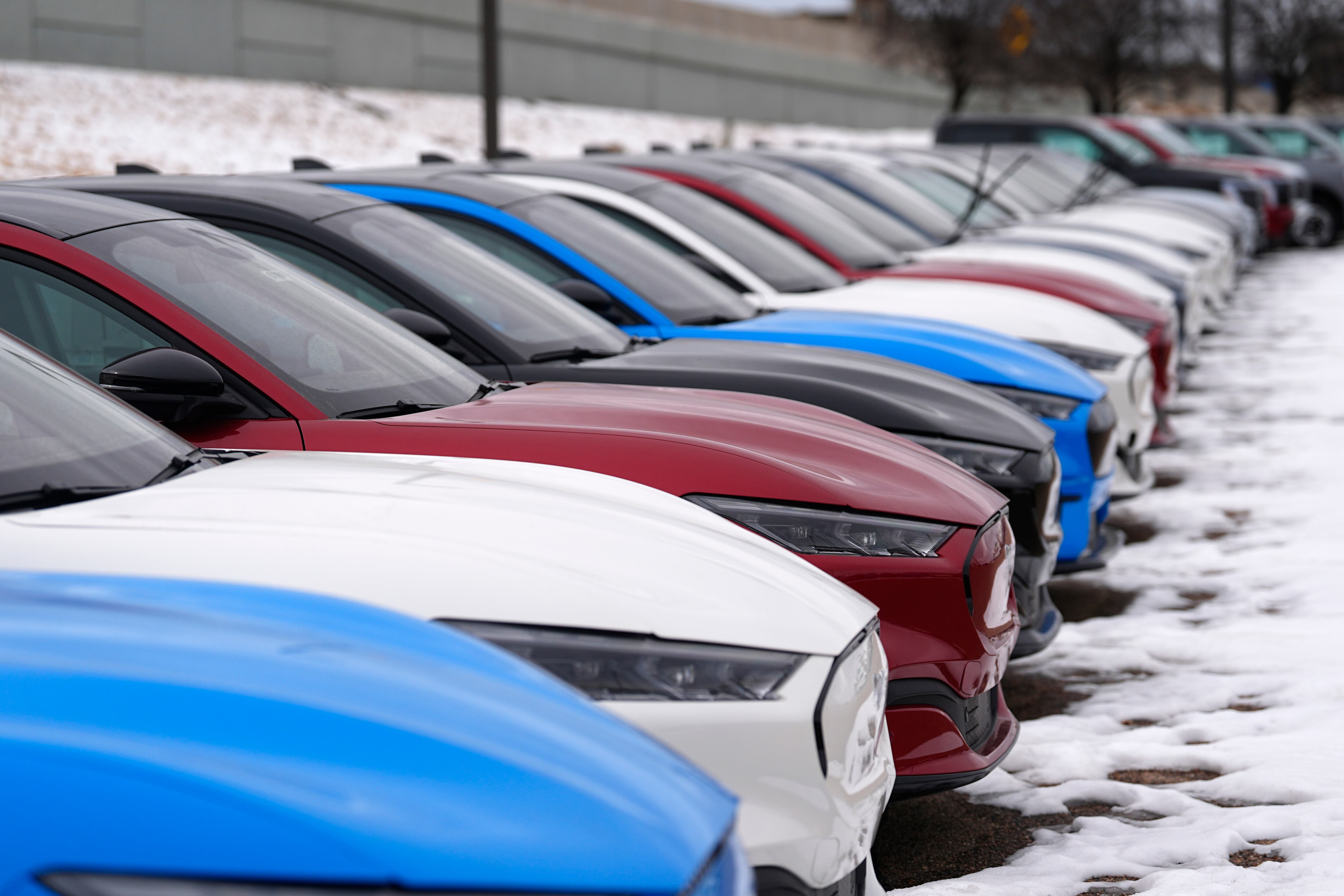
Used car prices also fell a whopping 2.8 percent. Once one of the main drivers of inflation, the category is now helping bring down the index.
Karl Farmer, Vice President and Portfolio Managers at Rockland Trust Bank, breaks down why inflation and interest rates may stick at these levels, and why Bitcoin still carries some risks.
If you wince at the grocery store checkout, you’re not alone. Wall Street Journal reporter Jesse Newman breaks down why prices are so high – and not going down anytime soon.
An inflation gauge favored by the Federal Reserve increased in January, the latest sign that the slowdown in U.S. consumer price increases is occurring unevenly from month to month. (Getty Images)
Glen Smith, CIO at GDS Wealth Management, shares how investors can allocate their assets as the market broadens and why he’s eyeing June for the first potential rate cut.
After years of price increases for cars and trucks in the United States, costs are slowing and in some cases falling, helping cool overall inflation and giving frustrated Americans more hope of finding an affordable vehicle.
Missed out on the Nvidia wave? Oh course you did — you’re reading this article aren’t you, instead of luxuriating on a white-sand beaches of Bali. But here are at least four other promising semiconductor stocks to add to your portfolio.