*By Jacqueline Corba*
Pop-up pot shops and cannabis confabs have been on the rise in the nation's capital, as would-be marijuana businesses try to find new ways to engage potential customers since Washington legalized the possession of small amounts of the drug three years ago.
Since the district's Initiative 71 went into effect in 2015, people 21 years and up can possess up to two ounces of pot. It's not O.K. to buy it or sell it, but people can transfer up to one ounce of the drug to another person of age ー a practice known as "gifting."
"We gift all the time, but a lot of people who want to get compensated, they have someone buy something else in exchange," said Lisa Scott, founder of the D.C. marijuana edible company Bud Appetit.
Cannabis businesses sell a legal item such as a t-shirt or jewelry, and then "gift" marijuana to the customer. Scott said in an interview with Cheddar's CannaBiz that these types of exchanges at private events are increasing as consumer demand is on the rise.
Authorities have grown less tolerant. During a pop-up party in January, almost two dozen vendors were arrested and charged with misdemeanor drug possession with the intent to distribute, according to [The Washington Post](https://www.washingtonpost.com/local/public-safety/in-the-murky-world-of-dc-marijuana-law-pop-up-markets-thrive/2018/03/26/84b9b2c6-2967-11e8-b79d-f3d931db7f68_story.html) . The charges were soon dropped by prosecutors.
"The laws are going to change, and eventually they will open the doors to more recreational sales and we want to be ready for when it happens," said Scott, who earlier this year started the D.C. Cannabis Business Association. "We don't want people with deep pockets and money from other states to come in and take our customers."
For full interview, [click here](https://cheddar.com/videos/understanding-the-murky-legal-landscape-for-cannabis-in-d-c).
From Wall Street to Silicon Valley, these are the top stories that moved markets and had investors, business leaders, and entrepreneurs talking this week on Cheddar.
It’s been Immigration Week on Capitol Hill but now it’s time to move on. So what will drive headlines in the week ahead? Here’s a look at the Washington Week Ahead.
The Secure and Fair Enforcement (SAFE) Banking Act is expected to pass the Democrat-controlled House, where it passed before in 2019 and 2020, but could face a tougher battle in the split Senate.
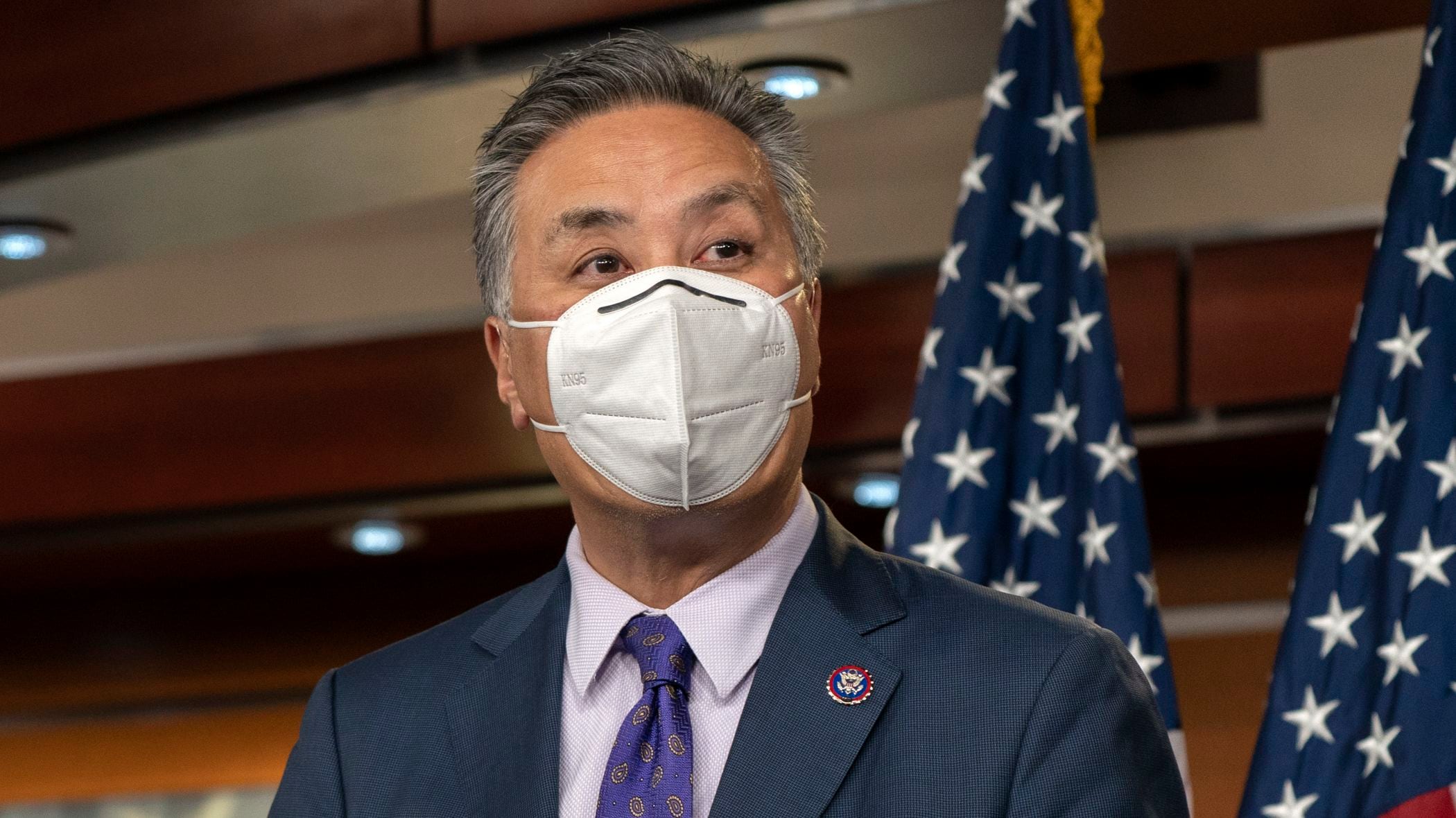
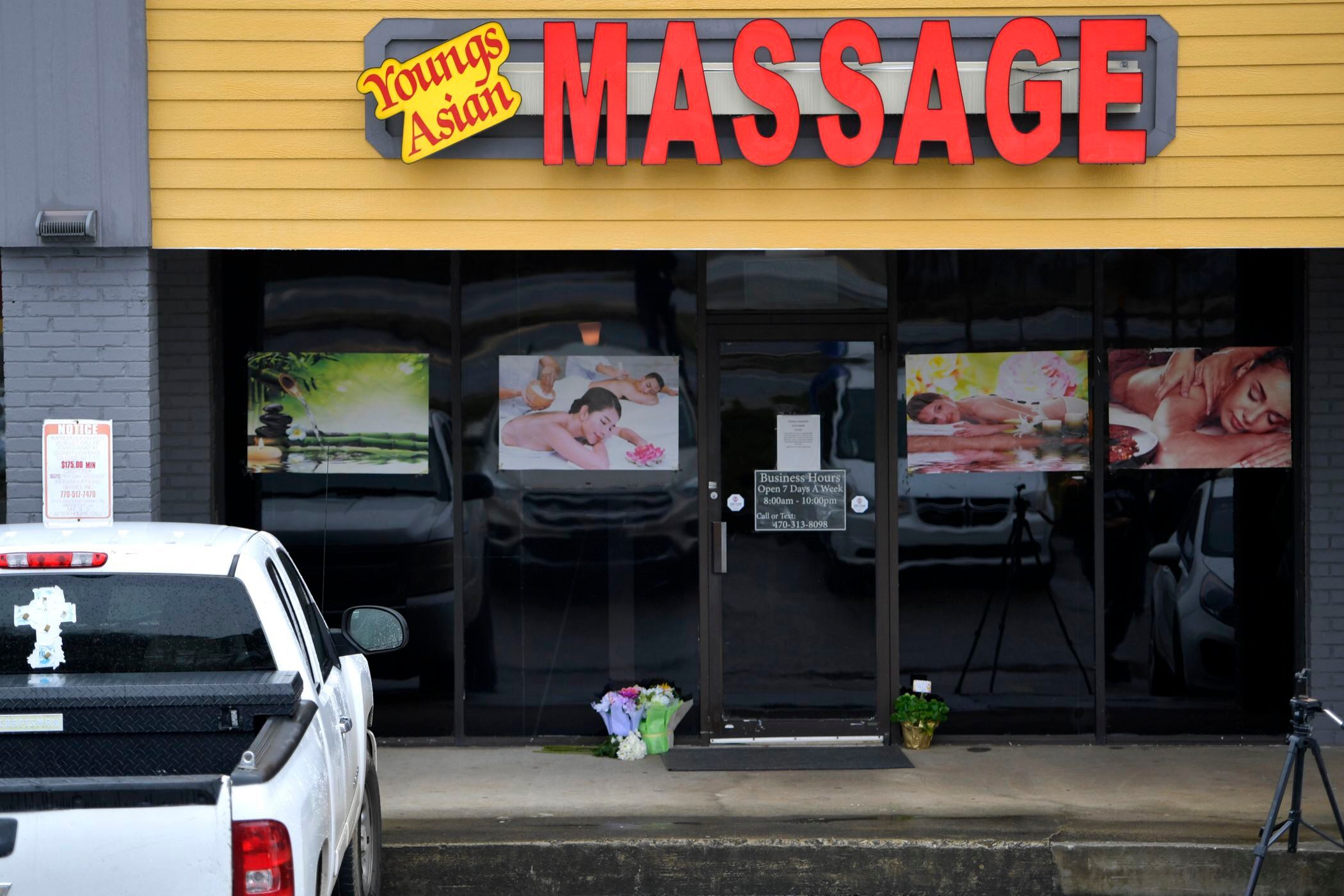
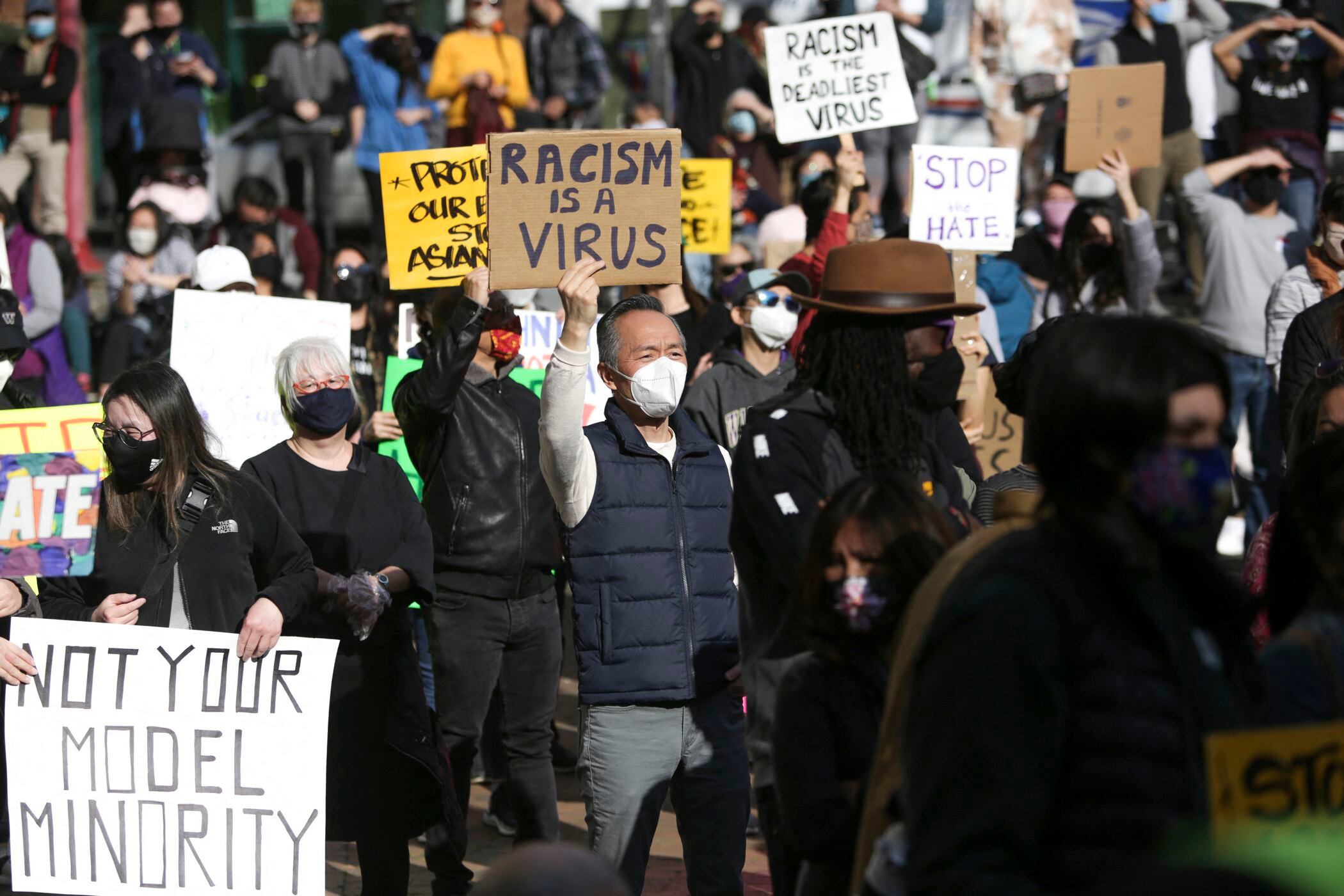
Rep. Mark Takano (D- Calif. 41st District) discusses the need to pass the COVID-19 Hate Crimes Act especially in the wake of the shooting deaths of eight people in Atlanta area spas, six of them being women of Asian descent.
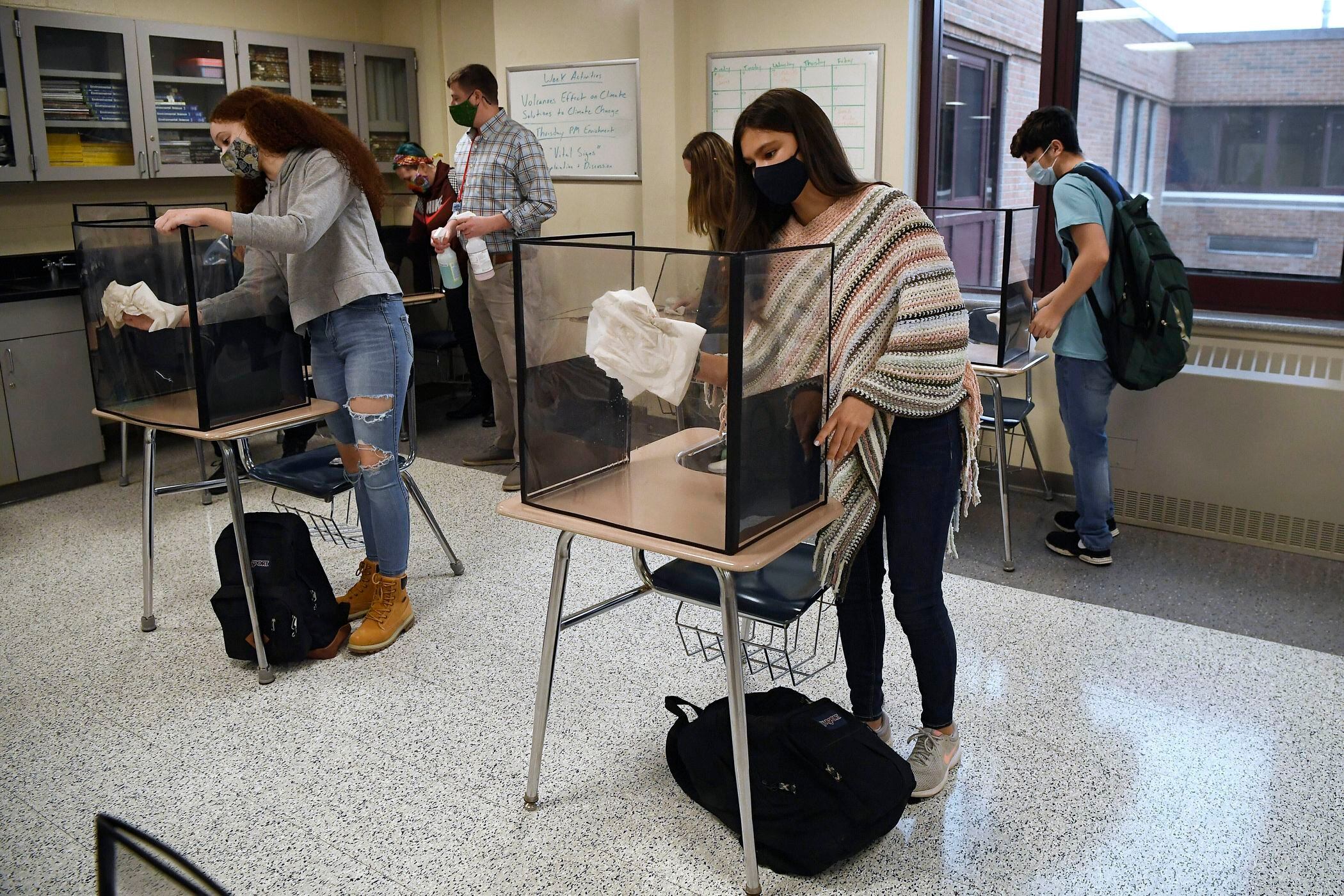
U.S. health officials are relaxing social distancing recommendations for schools, now saying students can sit as close as 3 feet to each other in classrooms.
The Federal Reserve says it will restore capital requirements for large banks that were relaxed as part of the Fed’s efforts to shore up the financial system during the early days of the pandemic.
Rep. Marilyn Strickland (D-Wash. 10th District), one of four Korean Americans to be elected to Congress, talked about the need for urgency and accountability following the killing of eight people, including six Asian women.
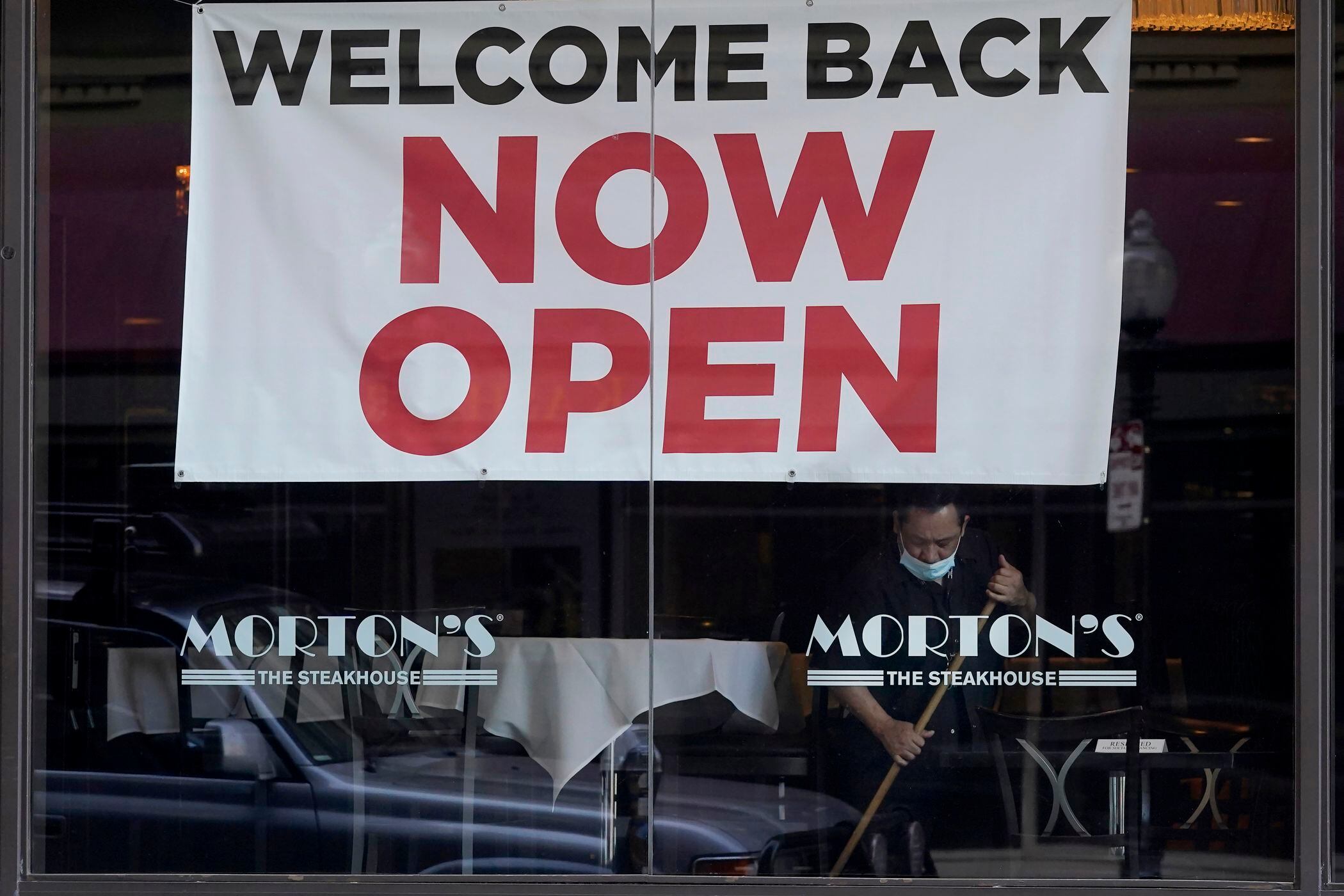
The number of Americans seeking unemployment benefits rose last week to 770,000, a sign that layoffs remain high even as much of the U.S. economy is steadily recovering from the coronavirus recession.
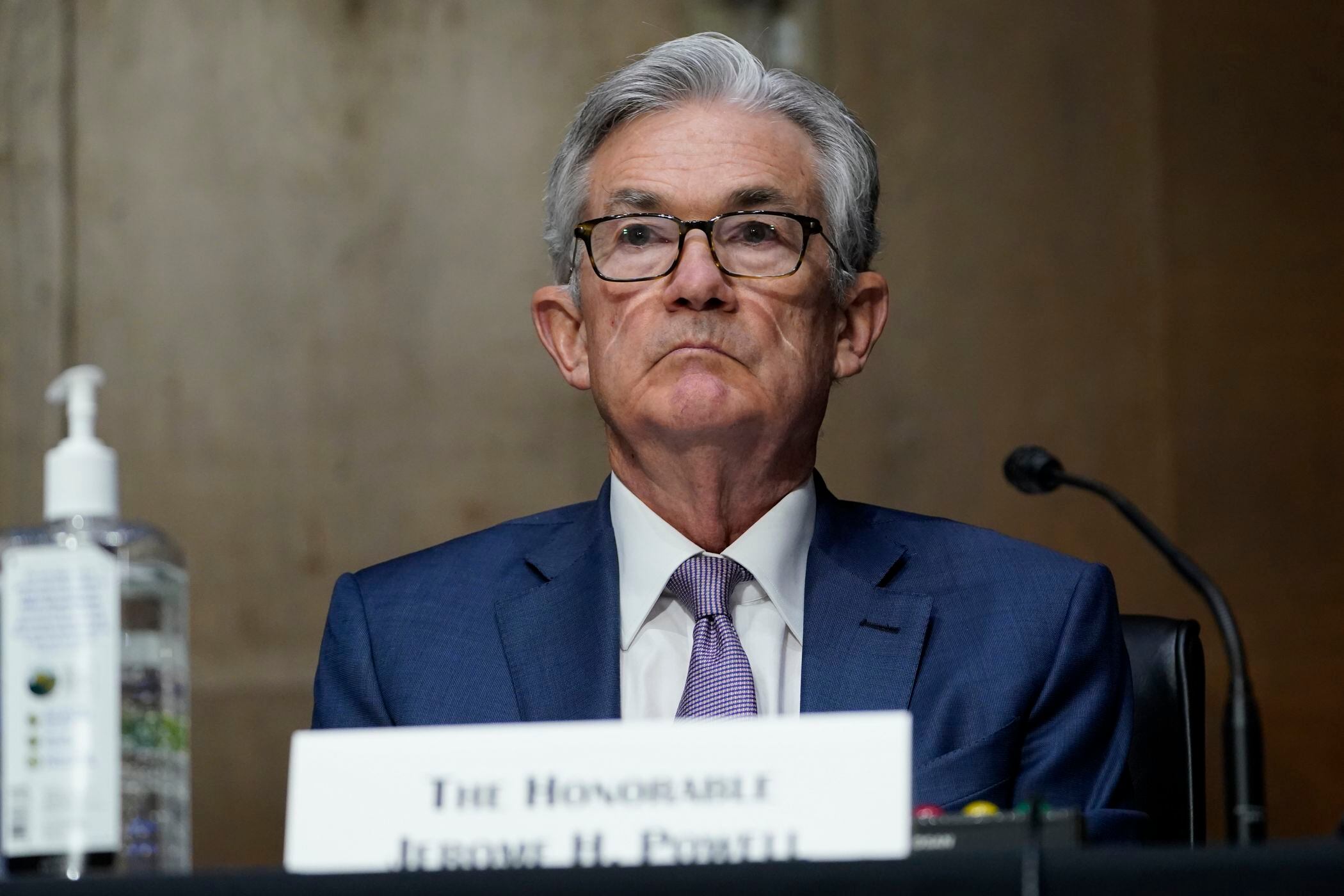
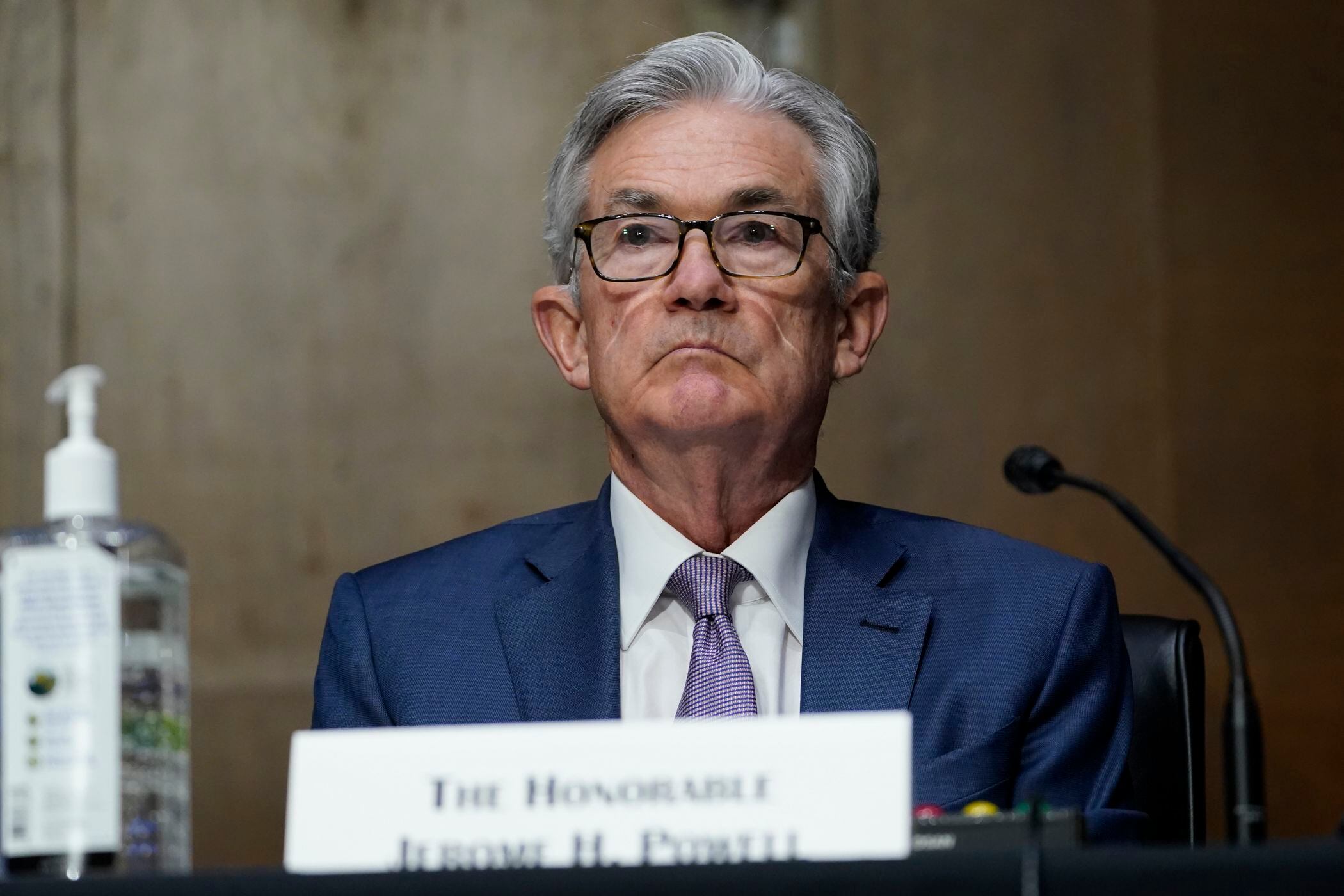
Federal Reserve Chairman Jerome Powell once again doubled down on the easy money policies that have defined the central bank's response to the pandemic-fueled economic downturn.
Stop AAPI Hate co-founder Cynthia Choi joined Cheddar to discuss anti-Asian hate crime reporting and what Americans can do to combat incidents of racial discrimination against Asian and Pacific Islander Americans.