*By Jacqueline Corba*
Pop-up pot shops and cannabis confabs have been on the rise in the nation's capital, as would-be marijuana businesses try to find new ways to engage potential customers since Washington legalized the possession of small amounts of the drug three years ago.
Since the district's Initiative 71 went into effect in 2015, people 21 years and up can possess up to two ounces of pot. It's not O.K. to buy it or sell it, but people can transfer up to one ounce of the drug to another person of age ー a practice known as "gifting."
"We gift all the time, but a lot of people who want to get compensated, they have someone buy something else in exchange," said Lisa Scott, founder of the D.C. marijuana edible company Bud Appetit.
Cannabis businesses sell a legal item such as a t-shirt or jewelry, and then "gift" marijuana to the customer. Scott said in an interview with Cheddar's CannaBiz that these types of exchanges at private events are increasing as consumer demand is on the rise.
Authorities have grown less tolerant. During a pop-up party in January, almost two dozen vendors were arrested and charged with misdemeanor drug possession with the intent to distribute, according to [The Washington Post](https://www.washingtonpost.com/local/public-safety/in-the-murky-world-of-dc-marijuana-law-pop-up-markets-thrive/2018/03/26/84b9b2c6-2967-11e8-b79d-f3d931db7f68_story.html) . The charges were soon dropped by prosecutors.
"The laws are going to change, and eventually they will open the doors to more recreational sales and we want to be ready for when it happens," said Scott, who earlier this year started the D.C. Cannabis Business Association. "We don't want people with deep pockets and money from other states to come in and take our customers."
For full interview, [click here](https://cheddar.com/videos/understanding-the-murky-legal-landscape-for-cannabis-in-d-c).
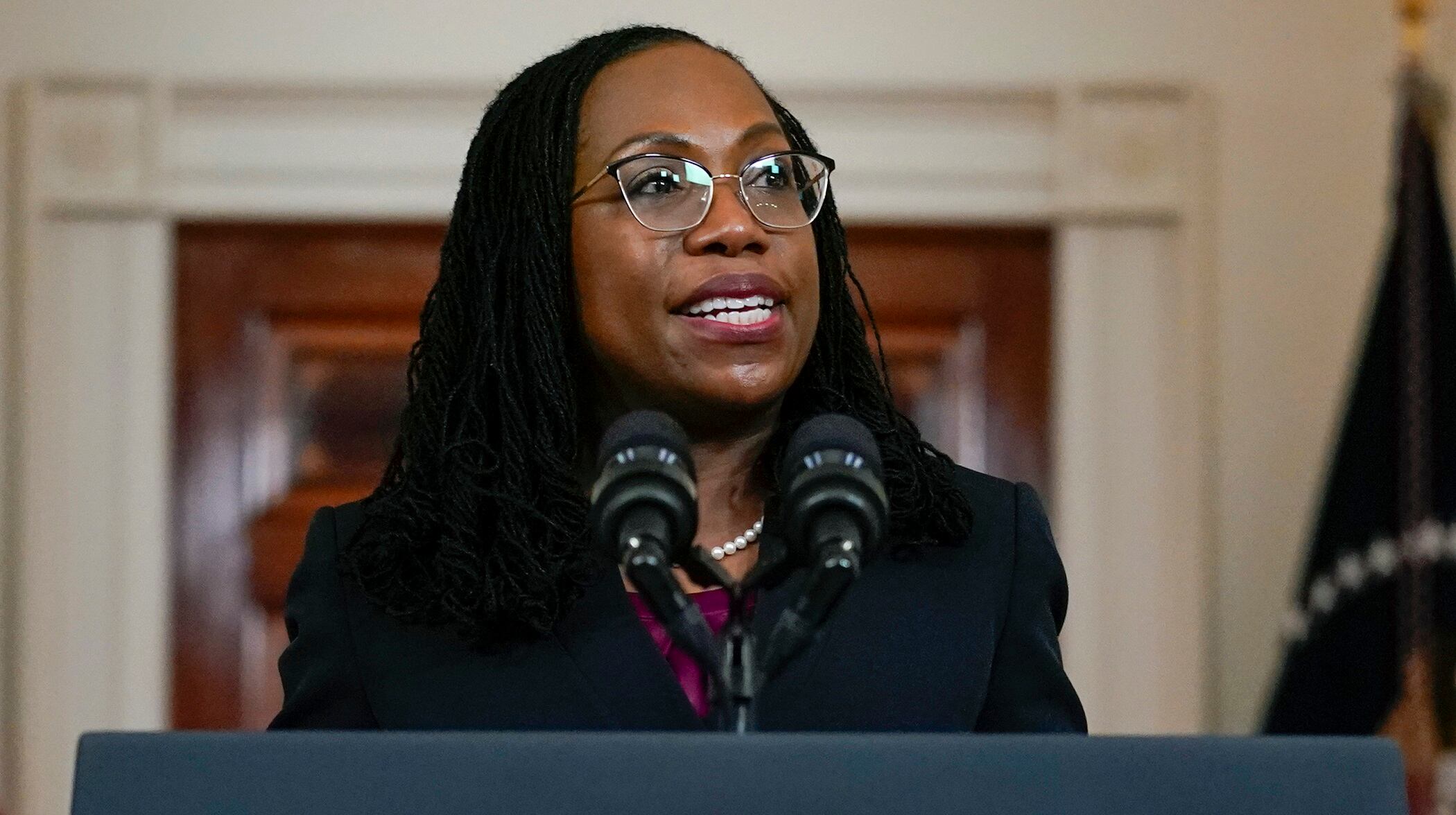
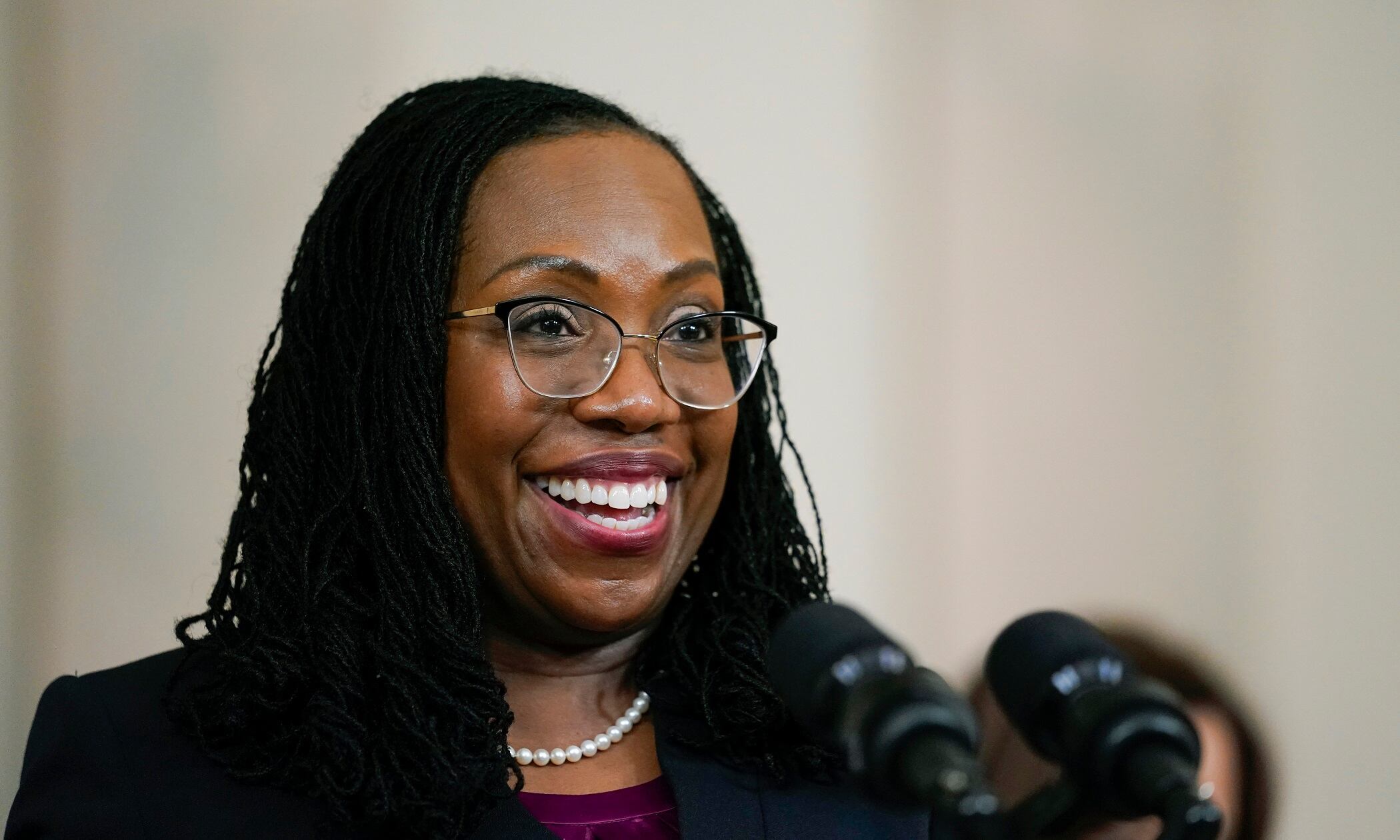
As we celebrate Black History Month, Cheddar is highlighting prominent Black Americans who are carving their own historic paths and trailblazing in their fields. Today we feature Ketanji Brown Jackson, the first Black woman SCOTUS nominee.
Russia's invasion of Ukraine went hand in hand with cyberattacks against Ukrainian government websites and financial institutions. Cheddar News speaks with cybersecurity expert Karim Hijazi, CEO of Prevaillon, on why the Russian cyberwarfare is concerning to other nations.
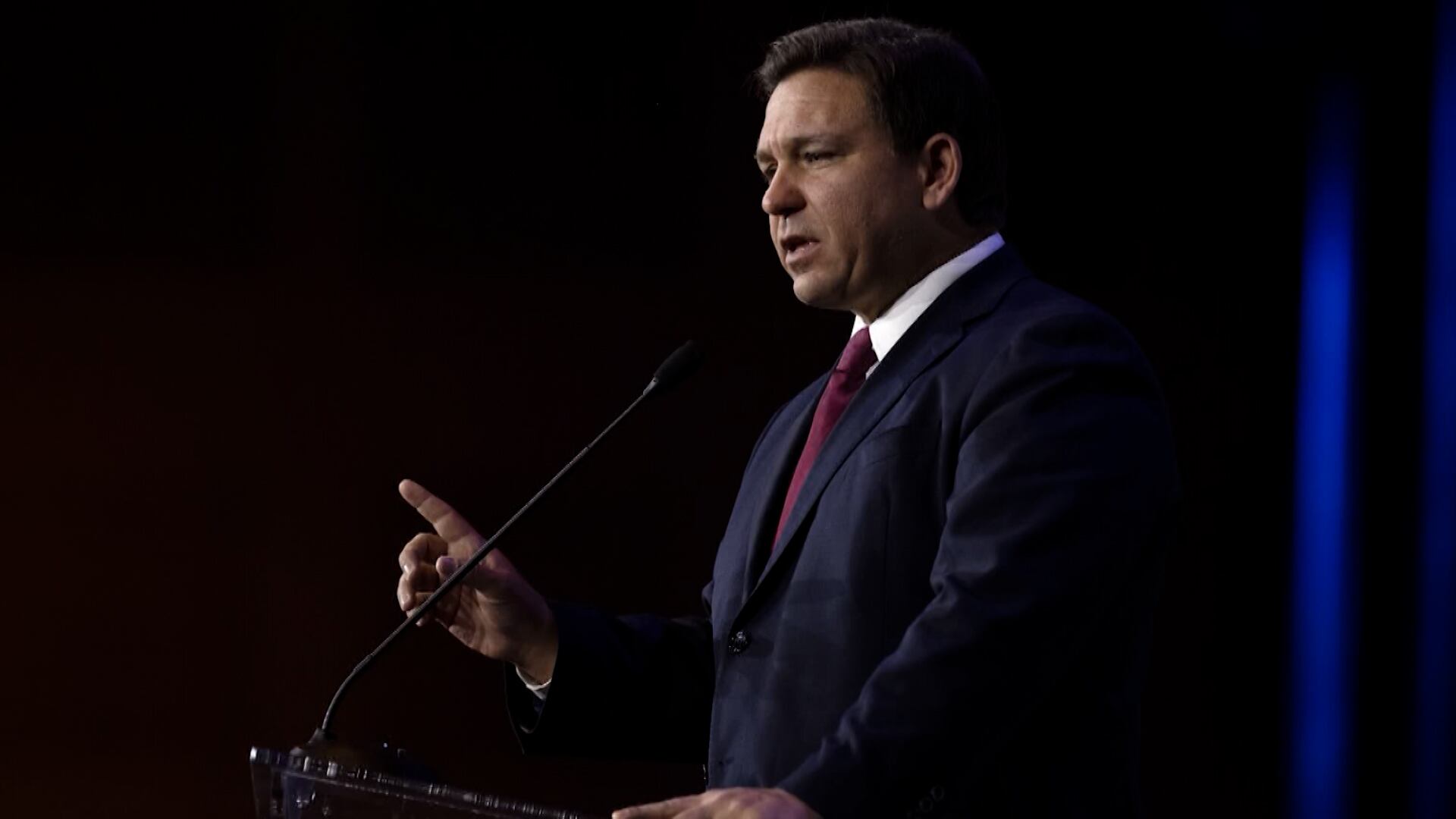
Florida legislation being called the 'Don't Say Gay' bill would restrict some discussion of sexual orientation and gender identity in classrooms with young students. Jon Harris Maurer, public policy director at Equality Florida, joins Cheddar News to discuss.
President Joe Biden promised during his campaign to focus on stable and ally-focused foreign policy, and the Russia-Ukraine crisis seems like an opportunity for him to focus on that tactic after last year's chaotic Afghanistan withdrawal. So far, Biden and western allies have banned together to sanction Russian banks, billionaires, and even President Vladimir Putin himself. Meanwhile, Biden has not deployed U.S. troops to intervene directly in Ukraine. Jack Detsch, national security reporter at Foreign Policy, joins Closing Bell to discuss why Biden is focusing on a sanctions-based, ally-focused strategy, what impact sanctions could have on Russia's economy, and more.
As Russia continues its attack on Ukraine, protests are popping up in major cities across the U.S., including across the street from the United Nations in New York City.. Chloe Aiello reports.