*By Jacqueline Corba*
Pop-up pot shops and cannabis confabs have been on the rise in the nation's capital, as would-be marijuana businesses try to find new ways to engage potential customers since Washington legalized the possession of small amounts of the drug three years ago.
Since the district's Initiative 71 went into effect in 2015, people 21 years and up can possess up to two ounces of pot. It's not O.K. to buy it or sell it, but people can transfer up to one ounce of the drug to another person of age ー a practice known as "gifting."
"We gift all the time, but a lot of people who want to get compensated, they have someone buy something else in exchange," said Lisa Scott, founder of the D.C. marijuana edible company Bud Appetit.
Cannabis businesses sell a legal item such as a t-shirt or jewelry, and then "gift" marijuana to the customer. Scott said in an interview with Cheddar's CannaBiz that these types of exchanges at private events are increasing as consumer demand is on the rise.
Authorities have grown less tolerant. During a pop-up party in January, almost two dozen vendors were arrested and charged with misdemeanor drug possession with the intent to distribute, according to [The Washington Post](https://www.washingtonpost.com/local/public-safety/in-the-murky-world-of-dc-marijuana-law-pop-up-markets-thrive/2018/03/26/84b9b2c6-2967-11e8-b79d-f3d931db7f68_story.html) . The charges were soon dropped by prosecutors.
"The laws are going to change, and eventually they will open the doors to more recreational sales and we want to be ready for when it happens," said Scott, who earlier this year started the D.C. Cannabis Business Association. "We don't want people with deep pockets and money from other states to come in and take our customers."
For full interview, [click here](https://cheddar.com/videos/understanding-the-murky-legal-landscape-for-cannabis-in-d-c).
The U.S. Department of Agriculture announced a nearly $11 billion investment on Tuesday to help bring affordable clean energy to rural communities throughout the country.
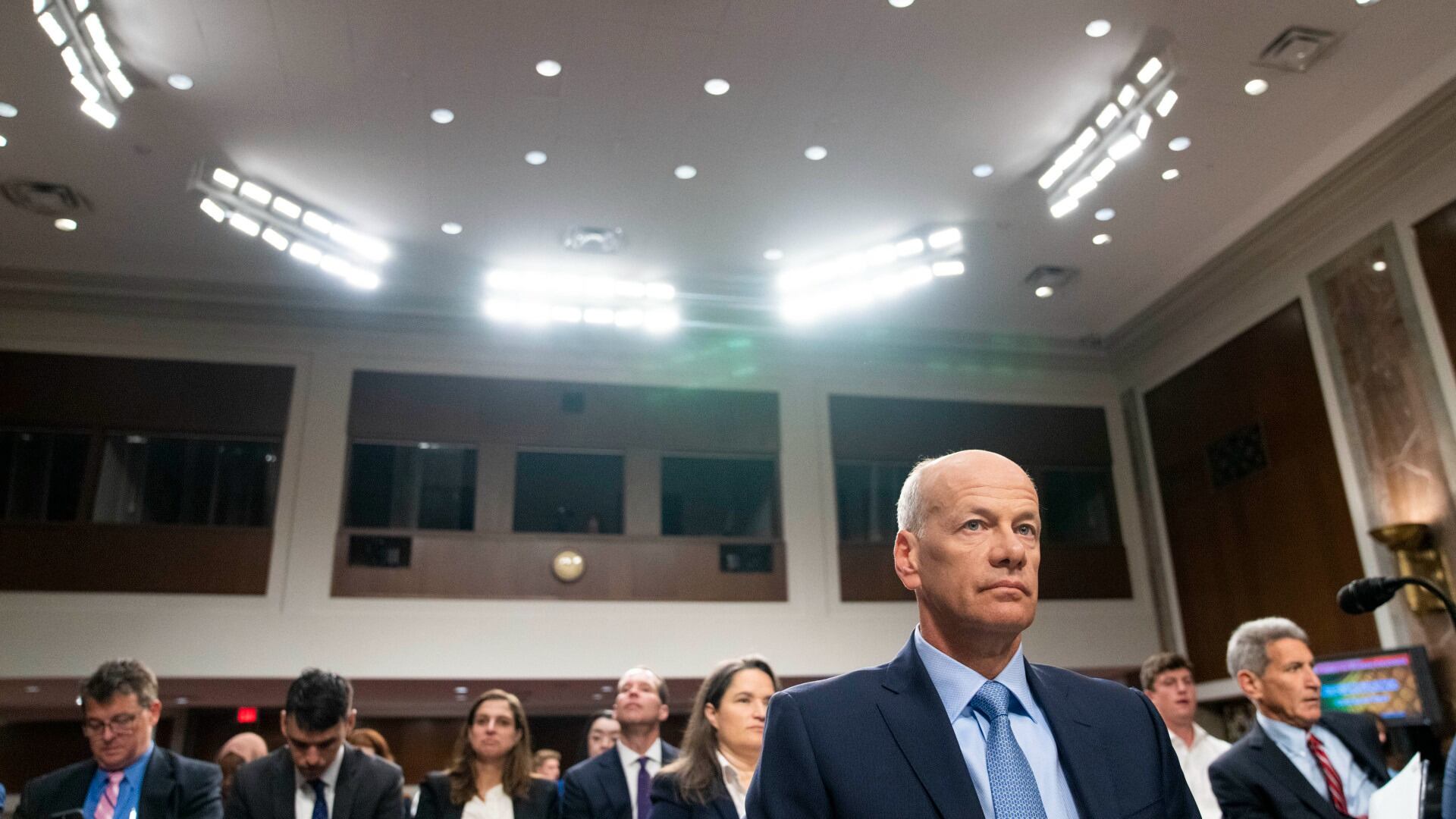
Top executives at Silicon Valley Bank and Signature Bank largely avoided taking responsibility for their banks’ dramatic failures at a Senate hearing Tuesday.
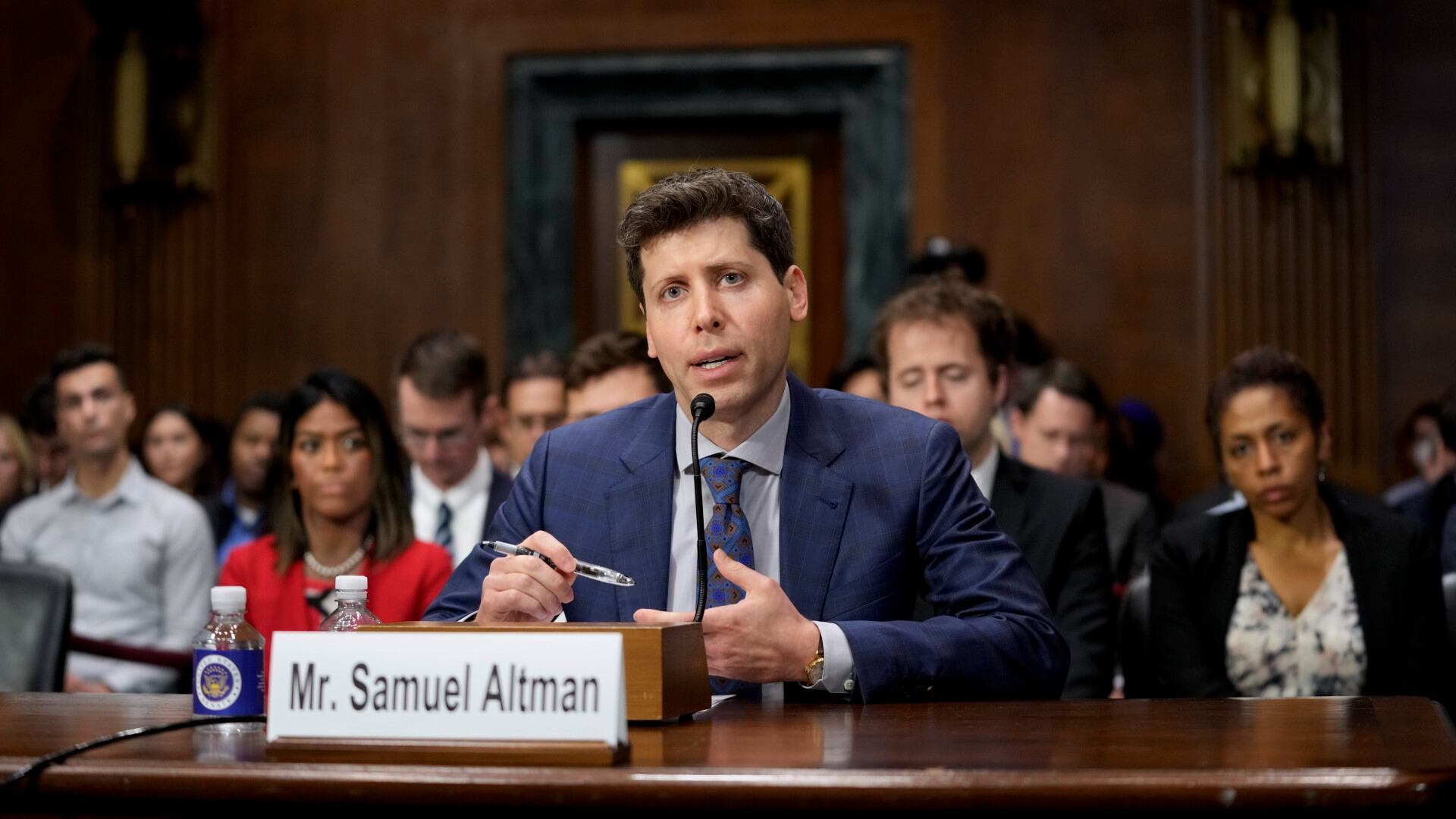
The head of the artificial intelligence company that makes ChatGPT will testify before Congress as lawmakers call for new rules to guide the rapid development of AI technology.
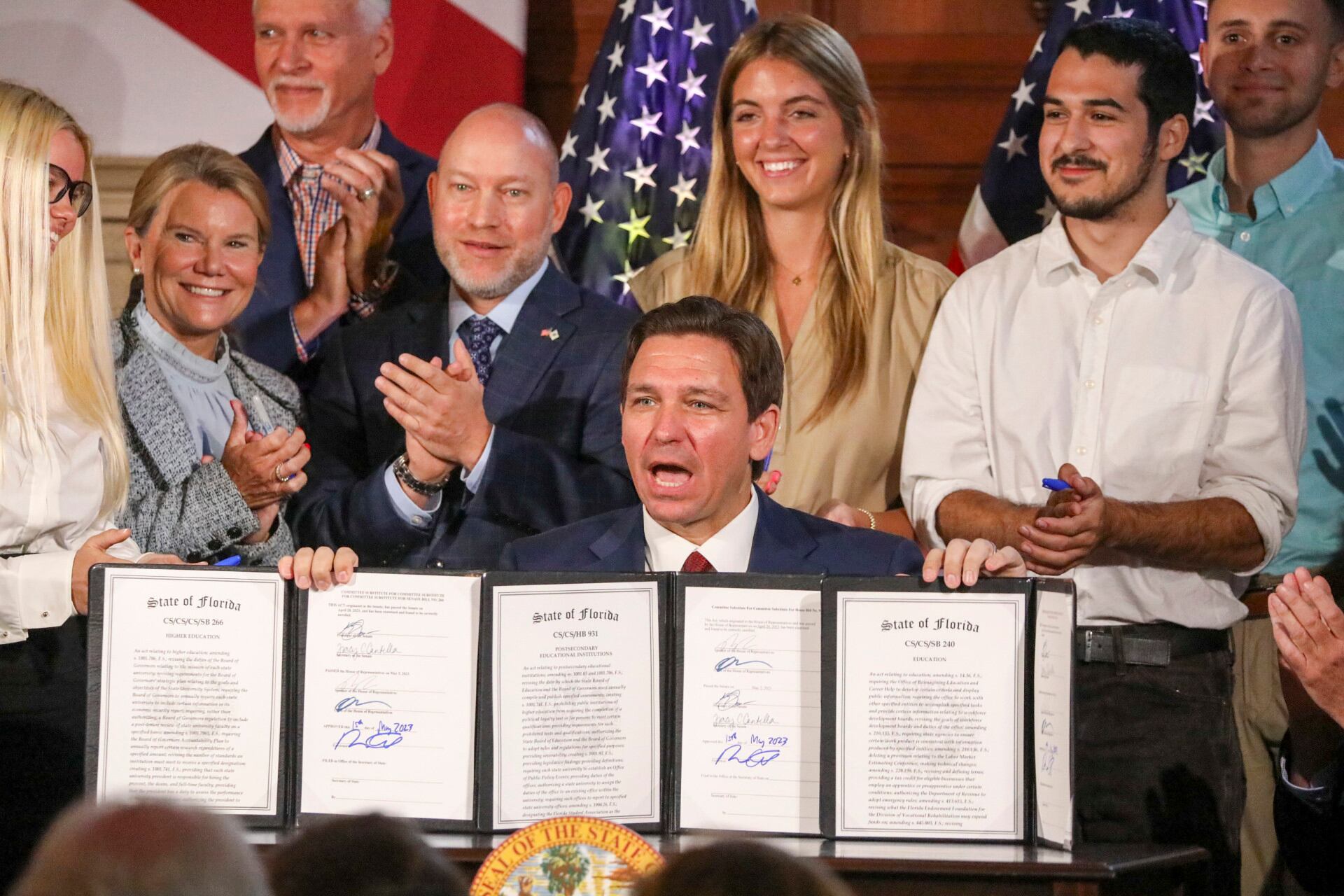
Florida Gov. Ron DeSantis on Monday signed a bill that blocks public colleges from using federal or state funding on diversity programs, addressing a concern of conservatives ahead of the Republican governor's expected presidential candidacy.
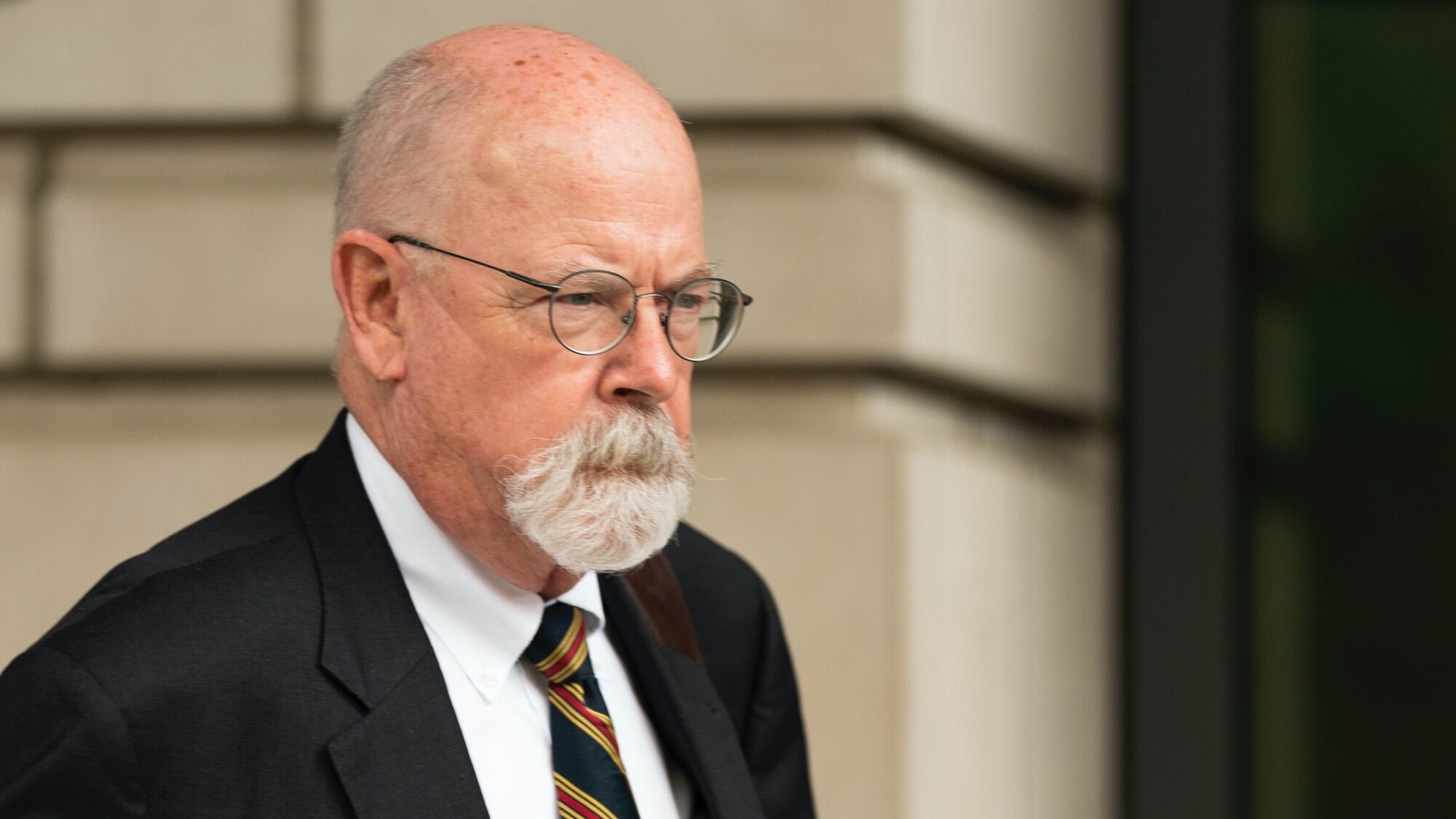
A special prosecutor found that the FBI rushed into its investigation of ties between Russia and Donald Trump's 2016 campaign and relied too much on raw and unconfirmed intelligence as he concluded a four-year probe that fell far short of the former president's prediction that the “crime of the century" would be uncovered.
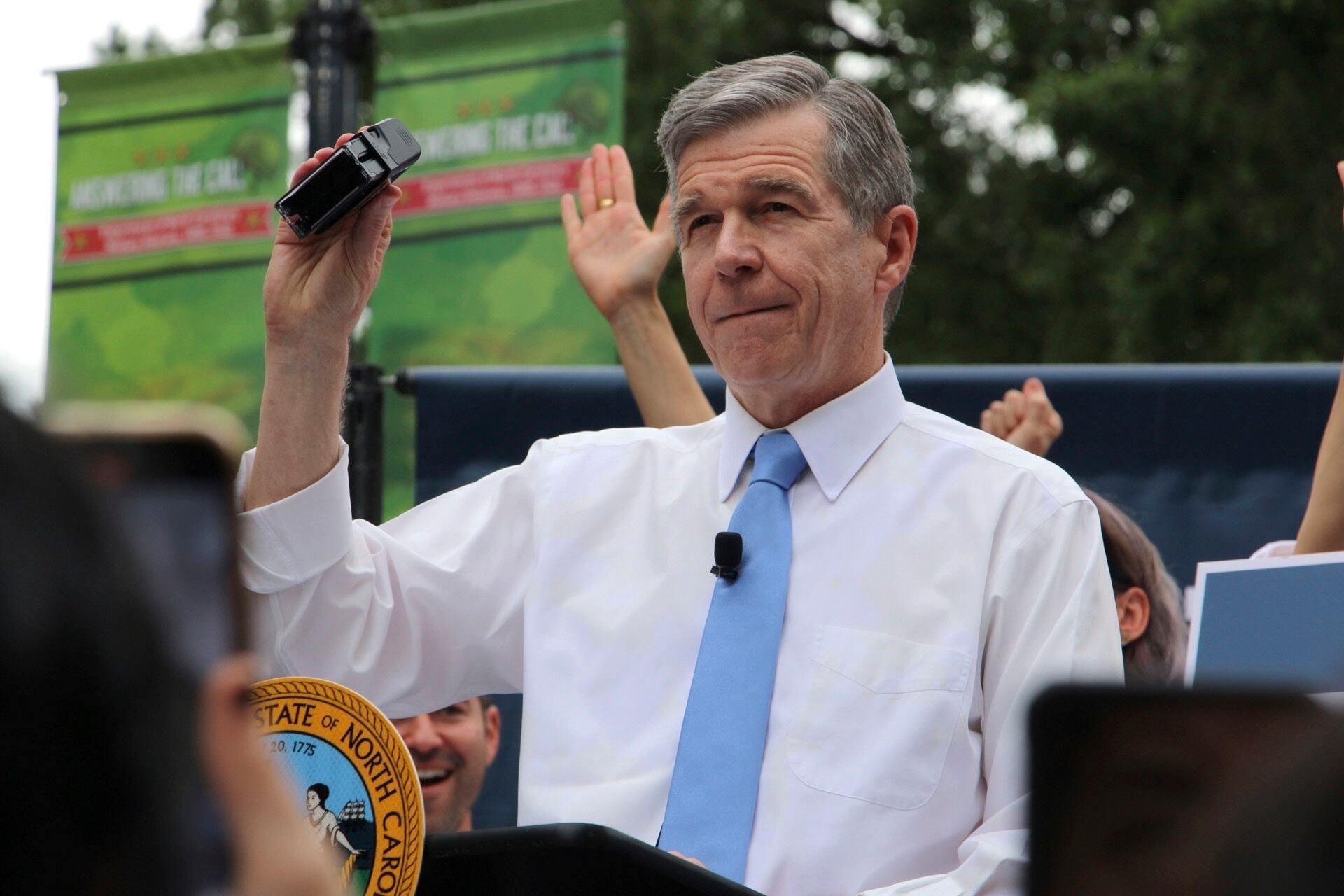
North Carolina Gov. Roy Cooper vetoed a bill passed by state lawmakers that would ban most abortions after 12 weeks.
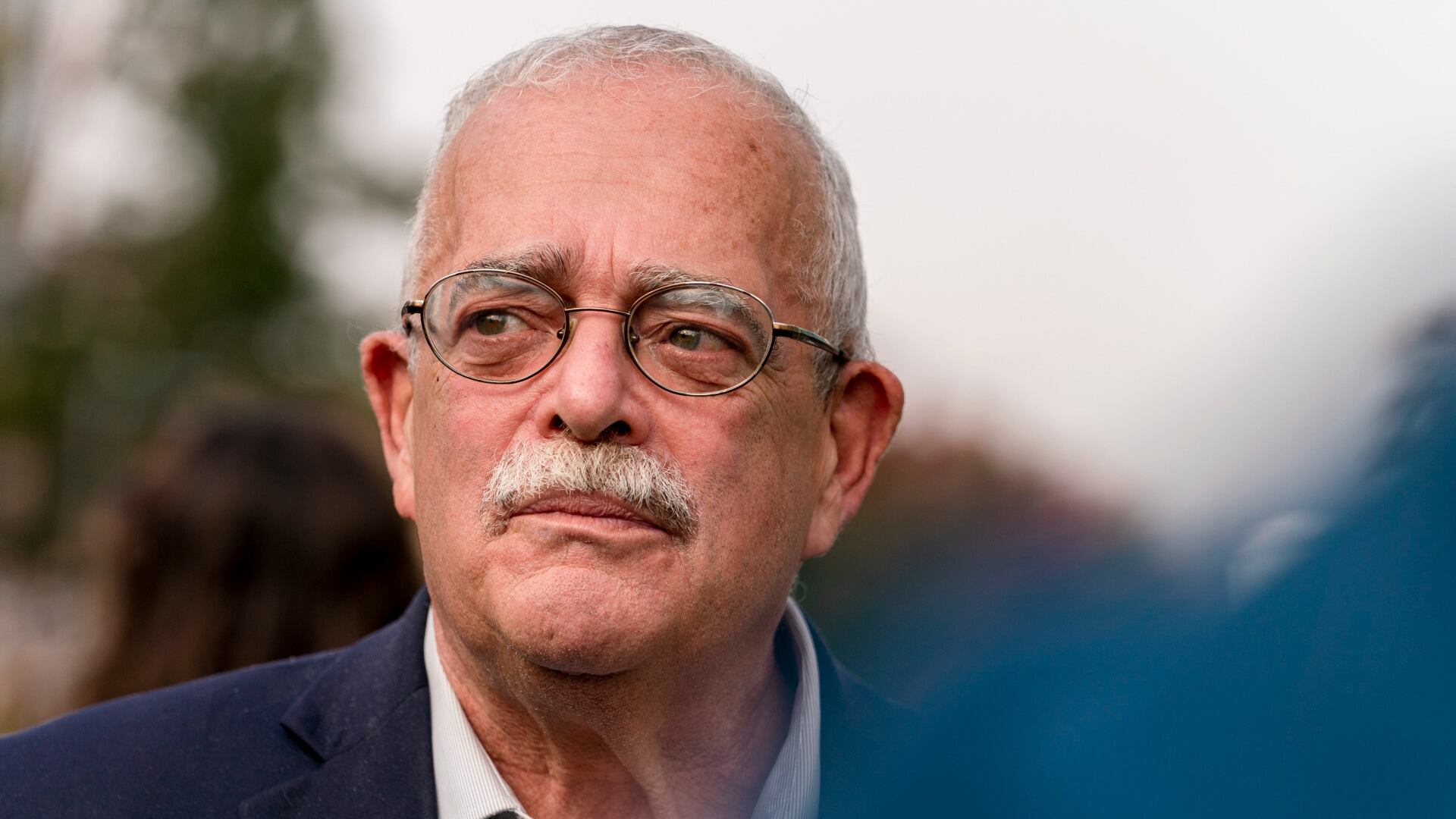
U.S. Rep. Gerry Connolly of Virginia says a man with a baseball bat walked into his Fairfax office, asked for him, and then assaulted two members of his staff.
Thanks to recent advances in artificial intelligence, tools that can create lifelike photos, video and audio are now cheap and readily available.
In front of an exuberant crowd, North Carolina’s Democratic governor vetoed legislation Saturday that would have banned nearly all abortions in his state after 12 weeks of pregnancy.
Turkey’s presidential elections appeared to be heading toward a second-round runoff on Monday, with President Recep Tayyip Erdogan, who has ruled his country with a firm grip for 20 years, leading over his chief challenger, but falling short of the votes needed for an outright win.