By David Koenig
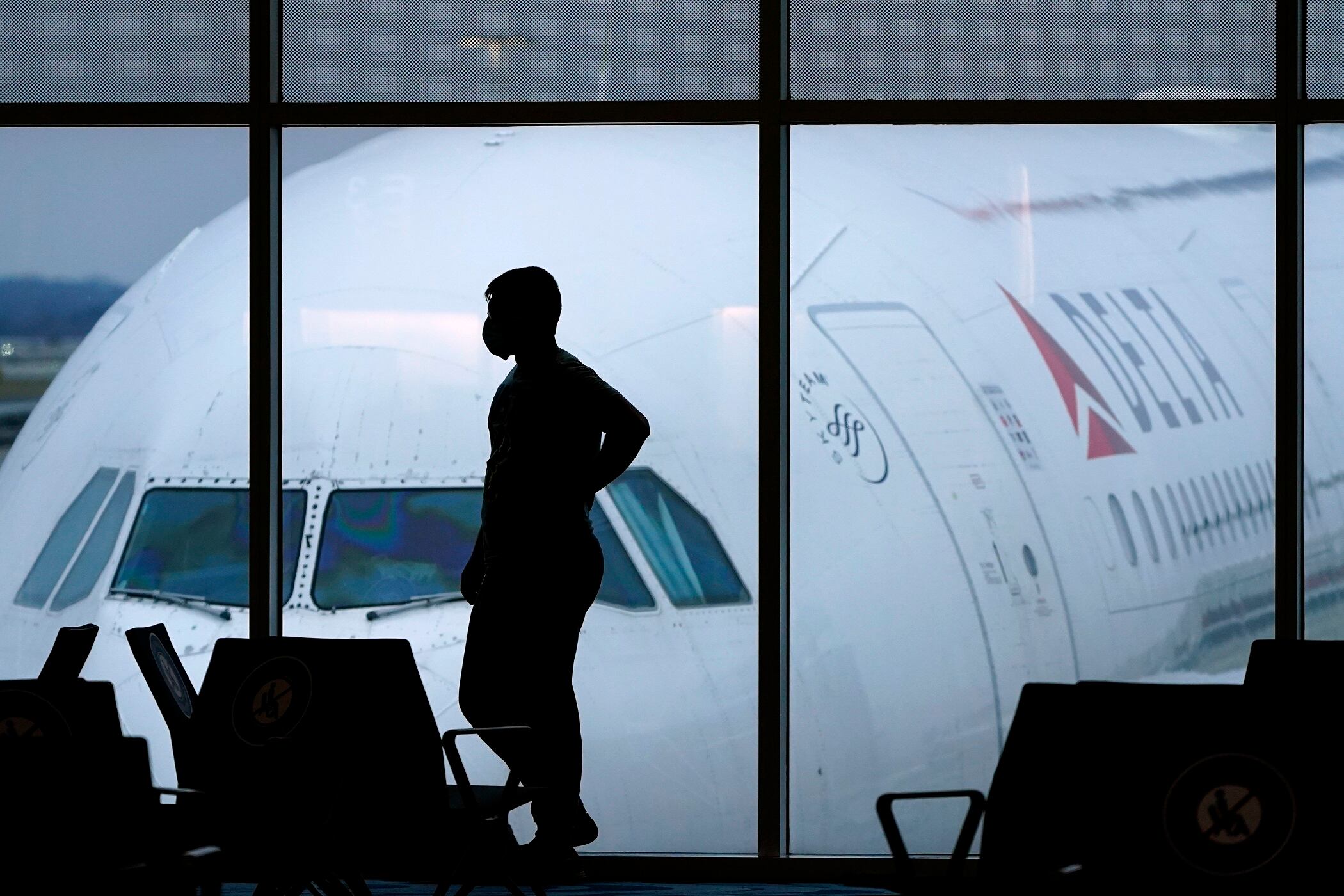
Rowdy airline passengers have now racked up a record $1 million in potential fines this year, a toll of the tumult in the sky as travelers have returned after most were grounded by the pandemic in 2020.
The Federal Aviation Administration announced the latest cases Thursday, involving 34 travelers who flew between January and May. Their offenses ranged from refusing to wear a face mask, as required by a federal rule, to punching a flight attendant in the nose.
Those are just the latest among dozens of enforcement cases that the FAA called part of its crackdown against passengers who interfere with airline crews.
Airlines have reported about 3,900 incidents of unruly passengers this year, and three-fourths involve refusal to wear a mask, according to the FAA.
Alcohol is another common factor. American Airlines on Thursday extended its ban on alcohol sales in the main cabin through Jan. 18, matching the timing of the federal mask mandate. American still sells alcohol to passengers in business and first-class sections.
An FAA spokeswoman confirmed that $1 million is a single-year record for proposed fines against passengers, who can appeal. The FAA has started investigations against 682 travelers this year, smashing the previous high of 310 in 2004.
The latest round of cases includes two fines that could top $40,000.
On a JetBlue flight in May, a man threw his carry-on bag at other passengers, grabbed a flight attendant by the ankles and put his head up her skirt before he was restrained with plastic ties. The FAA wants to fine him $45,000.
The FAA is seeking a $42,000 fine against a man who refused to wear a mask on another JetBlue flight in May and threatened other passengers, including making stabbing gestures toward some. Crew members confiscated a bag containing a substance the man was snorting, then armed themselves with ice mallets before police took him off the plane.
The FAA did not identify any of the passengers, including a man who allegedly punched a flight attendant in the nose during a third JetBlue flight. Although police were called in several cases, it was not clear how many of the passengers called out by FAA face criminal charges.
This month, the head of the FAA asked airport officials around the country to work with local law enforcement to prosecute more cases. The FAA does not have authority to file criminal charges.
Air travel in the U.S. has returned to nearly 80% of pre-pandemic levels, but airlines have cut the number of flights by a similar amount, resulting in crowded planes.
Bad weather and lack of crews after airlines cut staff last year have contributed to tens of thousands of canceled and delayed flights this summer, according to figures from tracking service FlightAware, making travel even more stressful than before.