By Isabel Debre
The United Arab Emirates said Tuesday its official workweek will move to Monday to Friday, a significant change that brings the Islamic nation home to major financial institutions in line with Western schedules.
The decision, which is to take effect next month, makes the Gulf Arab federation one of the few countries in the Middle East to operate on Western hours instead of on a Sunday through Thursday week. Lebanon and Turkey also follow a Monday-Friday workweek.
The long-rumored shift comes as the UAE, home to the coastal emirates of Dubai and Abu Dhabi, seeks to bolster its business and tourist appeal while emerging from the crisis of the coronavirus pandemic and facing stiffer regional competition, particularly with Saudi Arabia.
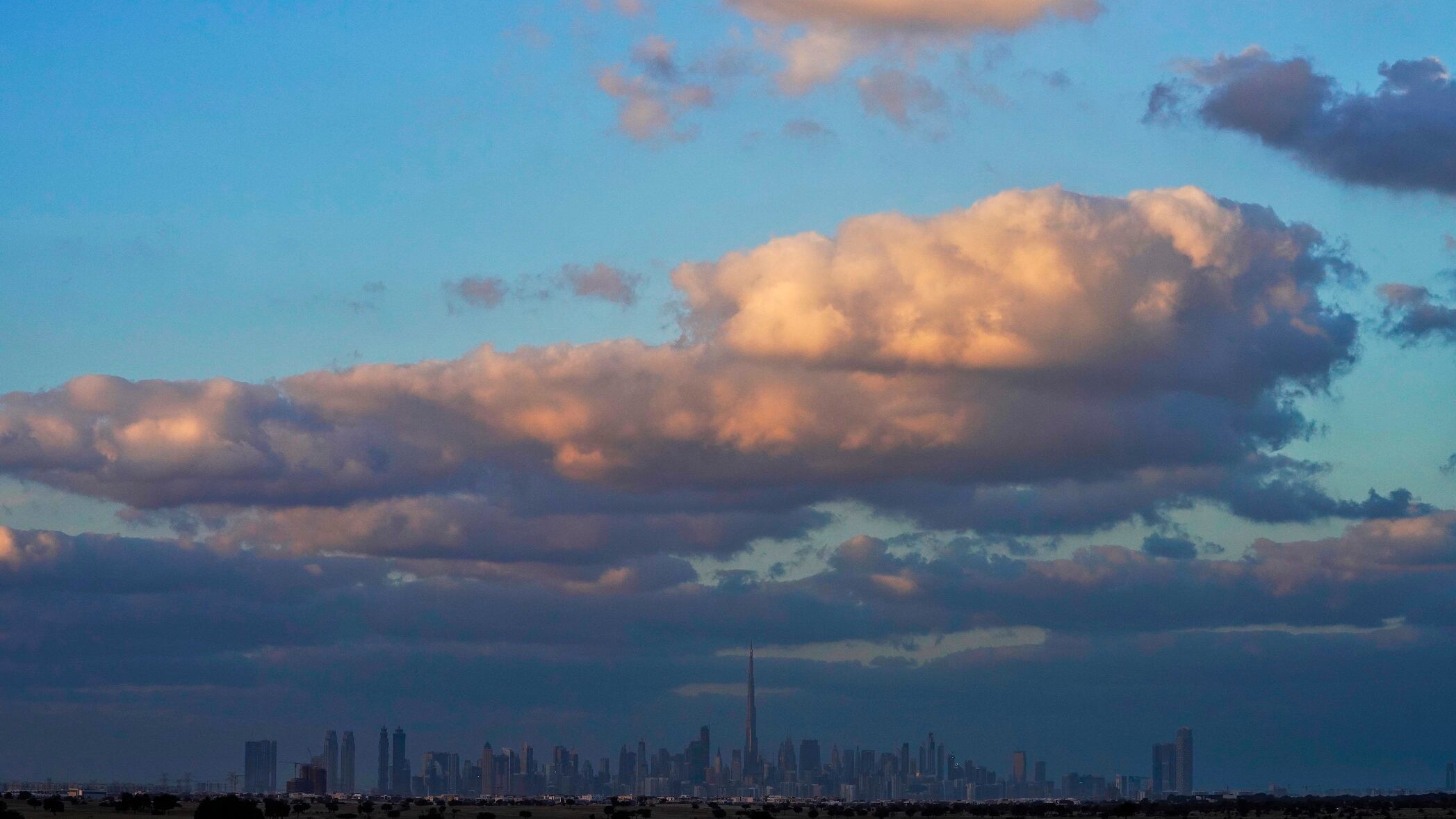
Skyscraper-studded Dubai has attracted a variety of Western multinational firms over the years. Its Dubai International Financial Center overseen by independent regulators has grown, providing stock traders and market traders a convenient time zone to work between Asian and European markets — the sun sets in this part of the Mideast around the time markets open in New York.
“The new working week will also bring the UAE’s financial sector into closer alignment with global real-time trading and communications-based transactions,” the government statement said, adding that the new schedule aims to “boost not only trading opportunities but also add to the flexible, secure and enjoyable lifestyle the Emirates offers its citizens and residents.”
Government employees would work a half-day on Friday, the traditional Muslim holy day, and then take Saturday and Sunday off, the announcement said.
The statement also said that Islamic Friday noon sermons and prayers, ritually called when the sun is perpendicular to the Earth, will instead begin at 1:15 p.m., after employees leave work. There was no immediate reaction from other Mideast countries to the announcement.
The government shift likely will see private industry follow suit, as it did in 2006, when the workweek changed from Saturday to Wednesday — an Islamic workweek followed in some Muslim countries, such as Iran and Afghanistan. Dubai's education authorities confirmed all private schools will move to the same working week on the first day of next year's term.
The Emirati government hailed the decision as making it “the first nation in the world to introduce a national working week shorter than the global five-day week” — a reference to Friday becoming only a half-day workday.
The announcement said nothing about whether private employers would similarly have to offer their staff the half-day on Friday.
Dubai-based investors who deal with the West welcomed the move, expecting it to make their lives easier.
“The weekend change sends a very strong signal to the global investment community,” said Faisal Durrani, a partner at real estate consultancy Knight Frank. “The UAE’s pro-business focus has been cemented.”
The UAE, the region's premier trade and finance hub, faces new challenges as Saudi Arabia ramps up its efforts to to lure foreign firms and investors as it seeks to wean itself off oil.
The kingdom has told all multinational firms they must move to their regional headquarters to Riyadh or risk losing lucrative state contracts by 2024 — stirring tensions with less-conservative Dubai that long has enticed foreigners with special economic zones, quality schools, ritzy penthouses and a dizzying array of bars and restaurants.
To further boost its brand as a cosmopolitan hub as it battled the economic effects of the pandemic, the UAE has made a series of changes to its penal code, based on Islamic law, or Shariah. The overhaul has loosened regulations on alcohol consumption, decriminalized cohabitation of unmarried couples, relaxed stringent punishments for drug offenses and allowed foreigners to marry, divorce and inherit wealth based on their home country's legal systems, among other things.
As the virus overwhelmed hospitals and triggered lockdowns around the world, the highly inoculated and open-for-business UAE emerged as somewhat of a haven for the world's rich who have snapped up record numbers of luxury homes in the Emirates this year.
The country, where foreign residents outnumber locals nearly nine to one, also rolled out long-term residency options to talented professionals and their families, issued special visas to freelancers and remote workers and offered wealthier expats the chance to retire in Dubai.