A jogger in Santa Cruz, California was in for a big surprise when she discovered a gigantic molar tooth belonging to an ancient mastodon that lived on earth during the Ice Age. The woman posted a photo of the one-foot fossil on her social media over the memorial day weekend, and an employee at the Santa Cruz Museum of Natural History later confirmed the tooth belonged to a Pacific mastodon. That's a giant elephant-like creature that went extinct 10,000 years ago. Remains of the mastodon have been found in Santa Cruz before.
NEW ASTEROID DISCOVERED
Scientists have discovered a new asteroid that's been tagging along with Earth for the past 2,000 years. The space rock is called a "quasi-moon," since it's only slightly influenced by the Earth's gravitational pull, but it still makes the journey around the sun much like the earth does. The asteroid is only about 50 feet in diameter and was first observed by the Pan-STARRS Observatory in Hawaii earlier this year. Quasi-moons tend to trail Earth for just a few decades but this one has been with the earth since about 100 BC.
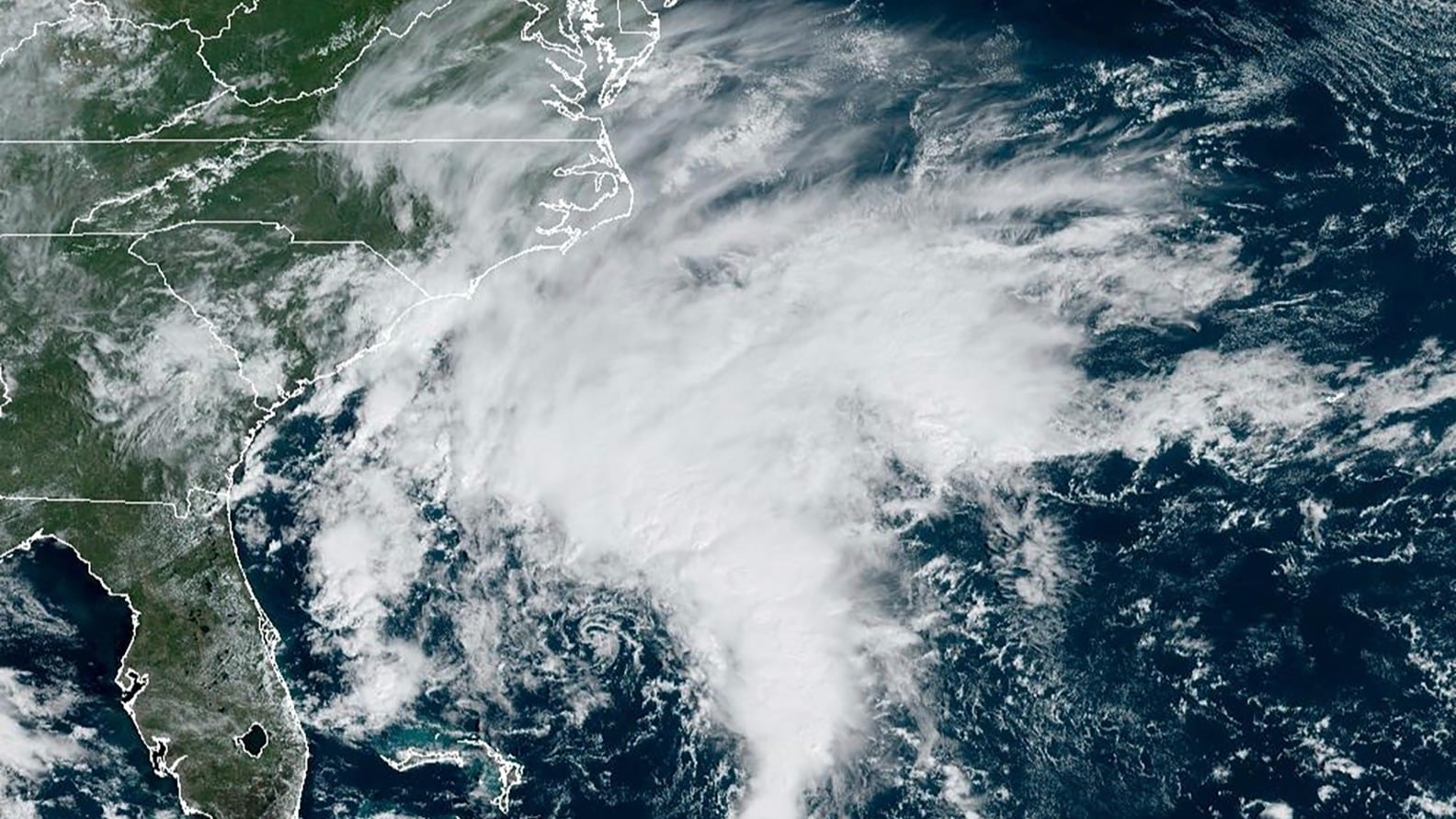
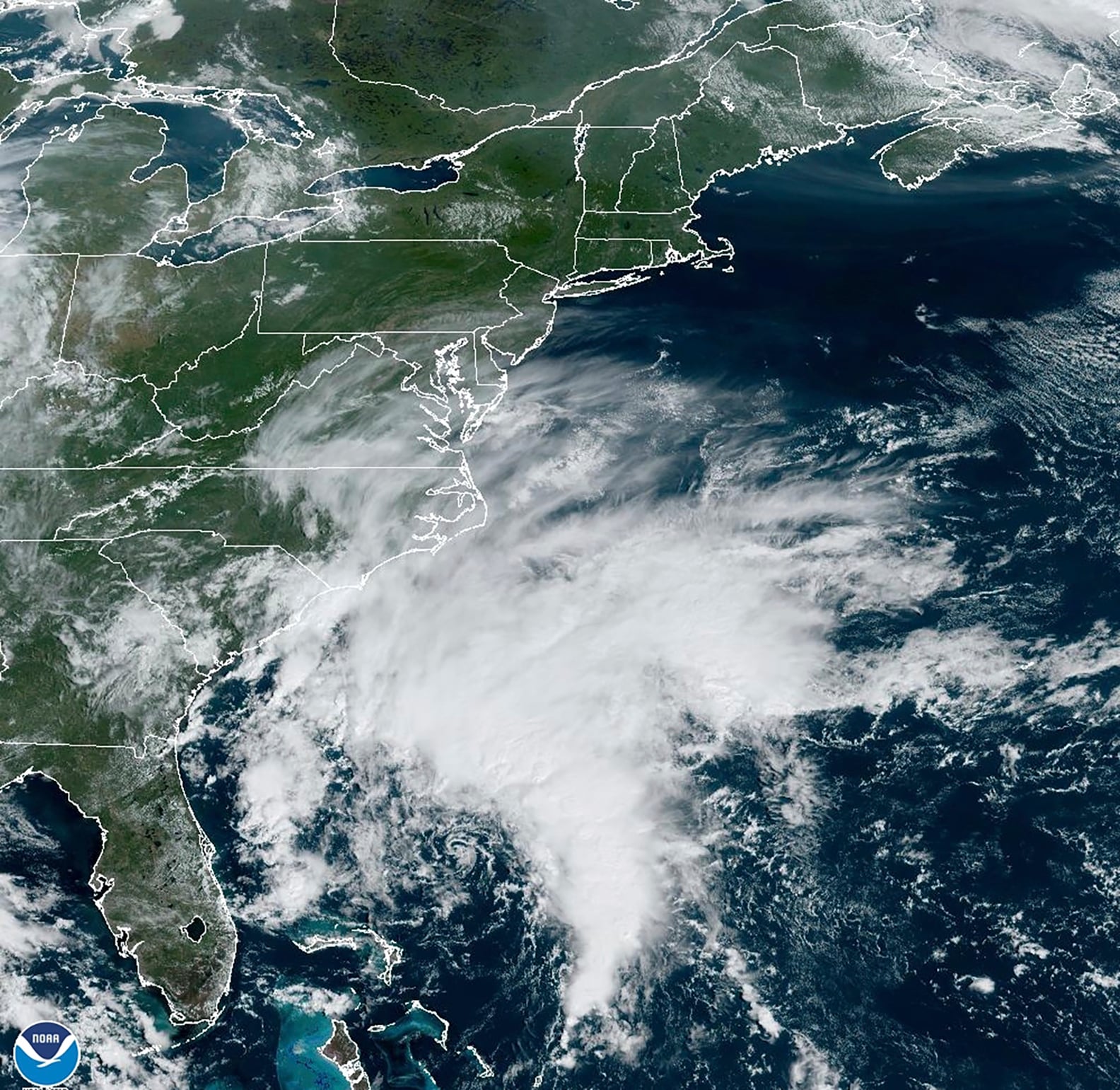
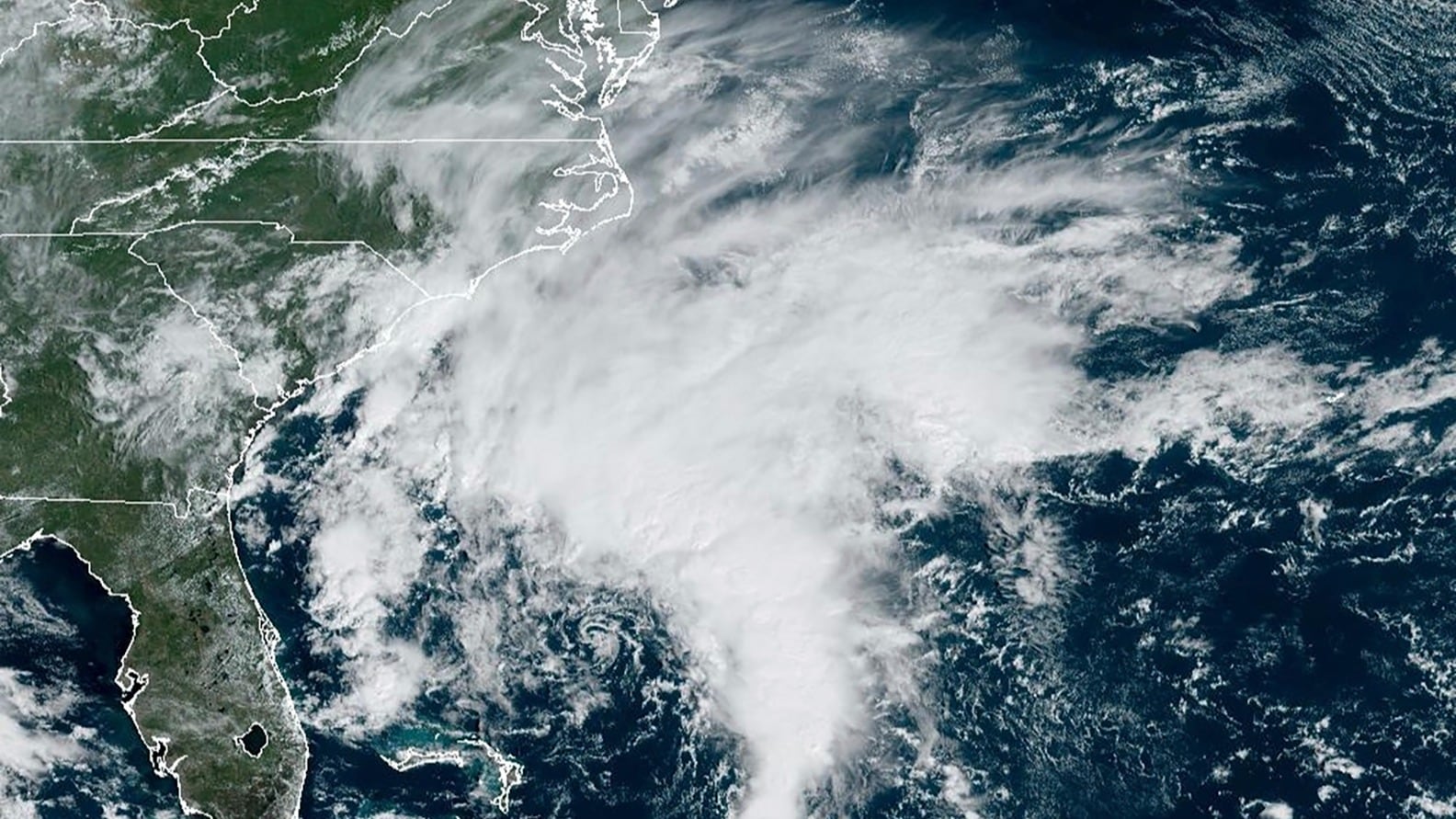
Nearly a day after being downgraded from a tropical storm, Ophelia still threatened parts of the Northeast on Sunday with coastal flooding, life-threatening waves and heavy rain from Washington to New York City, the National Hurricane Center said.
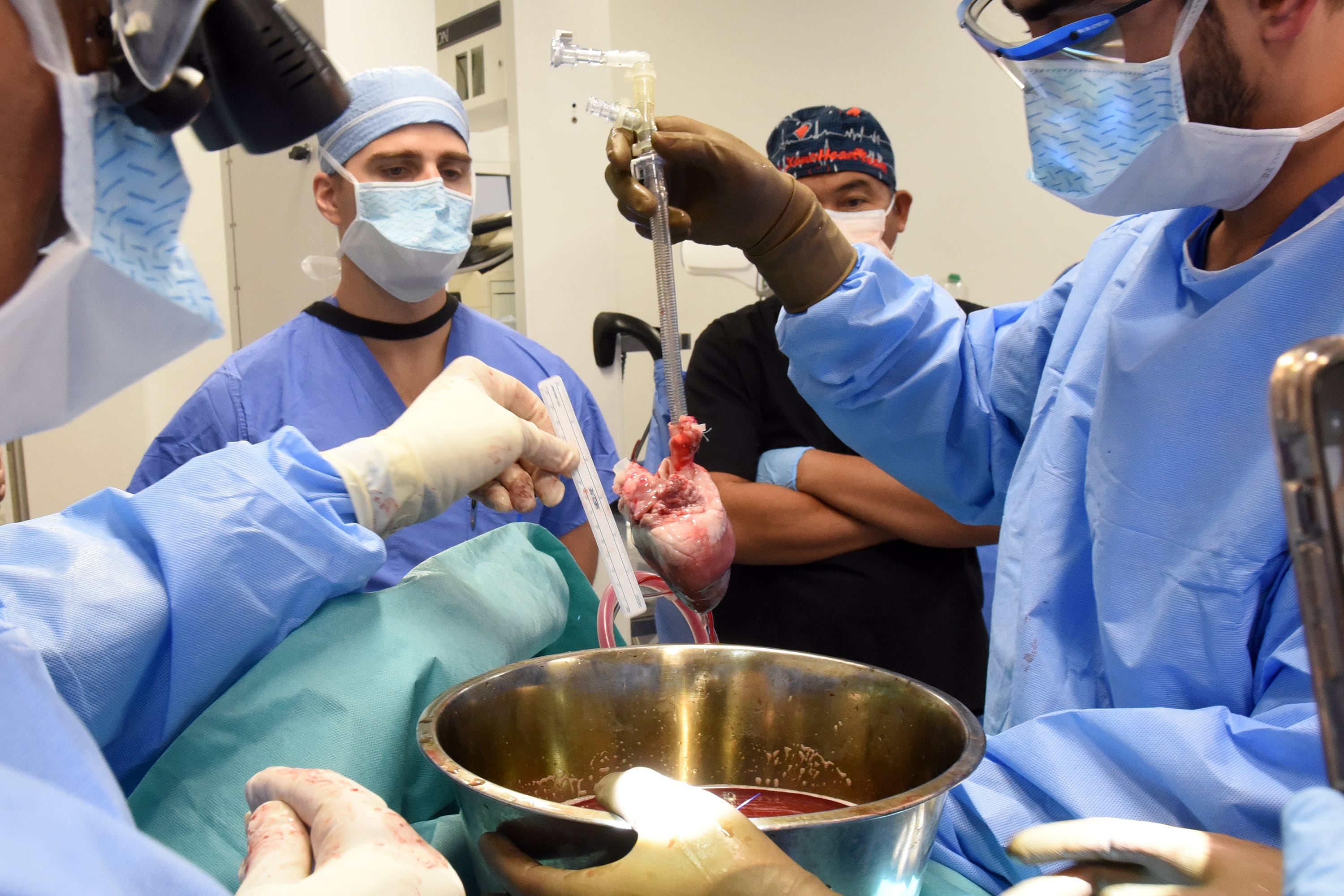
Surgeons have transplanted a pig’s heart into a dying man in a bid to prolong his life – only the second patient to ever undergo such an experimental feat. Two days later, the man was cracking jokes and able to sit in a chair, Maryland doctors said Friday.
Tropical Storm Ophelia formed off the mid-Atlantic coast and was expected to bring heavy rain, storm surge and windy conditions over the weekend, the National Hurricane Center said Friday.
A storm churning in waters off the eastern U.S. has increased to tropical storm strength and is forecast to reach the North Carolina coast Friday morning, the National Hurricane Center said.