ANCIENT REPTILE
There's new information about the world's oldest flying reptile, which was discovered in Australia. The giant creature is known as a pterosaur and lived about 107 million years ago. According to a study published today in the journal History Biology, the animal had a wingspan that was 6.5 feet long and was the first vertebrate able to fly. It lived alongside dinosaurs during the Mesozoic Era, which began 252 million years ago.
SHARK SPOTTING
Meanwhile, this shark was recently spotted circling around a man and his son who were taking a dip at Orange Beach, Alabama. The footage was captured on a drone by a 15-year-old who was monitoring sharks in the Gulf of Mexico. The gulf is home to 50 species of sharks, only about half of which are known to have encounters with people.
BEE SWARM
Finally, a huge swarm of bees was filmed over a crowd of spectators at the Indianapolis 500 Race over the weekend. The video shows the bees hovering above spectators. The man who shot the video says the crowd was unfazed by the bees and was mostly focused on the race. There was even a beekeeper sitting a few rows away from the swarm who helped remove the bees after the race. He said there were an estimated 12,000 to 16,000 bees in the stands.
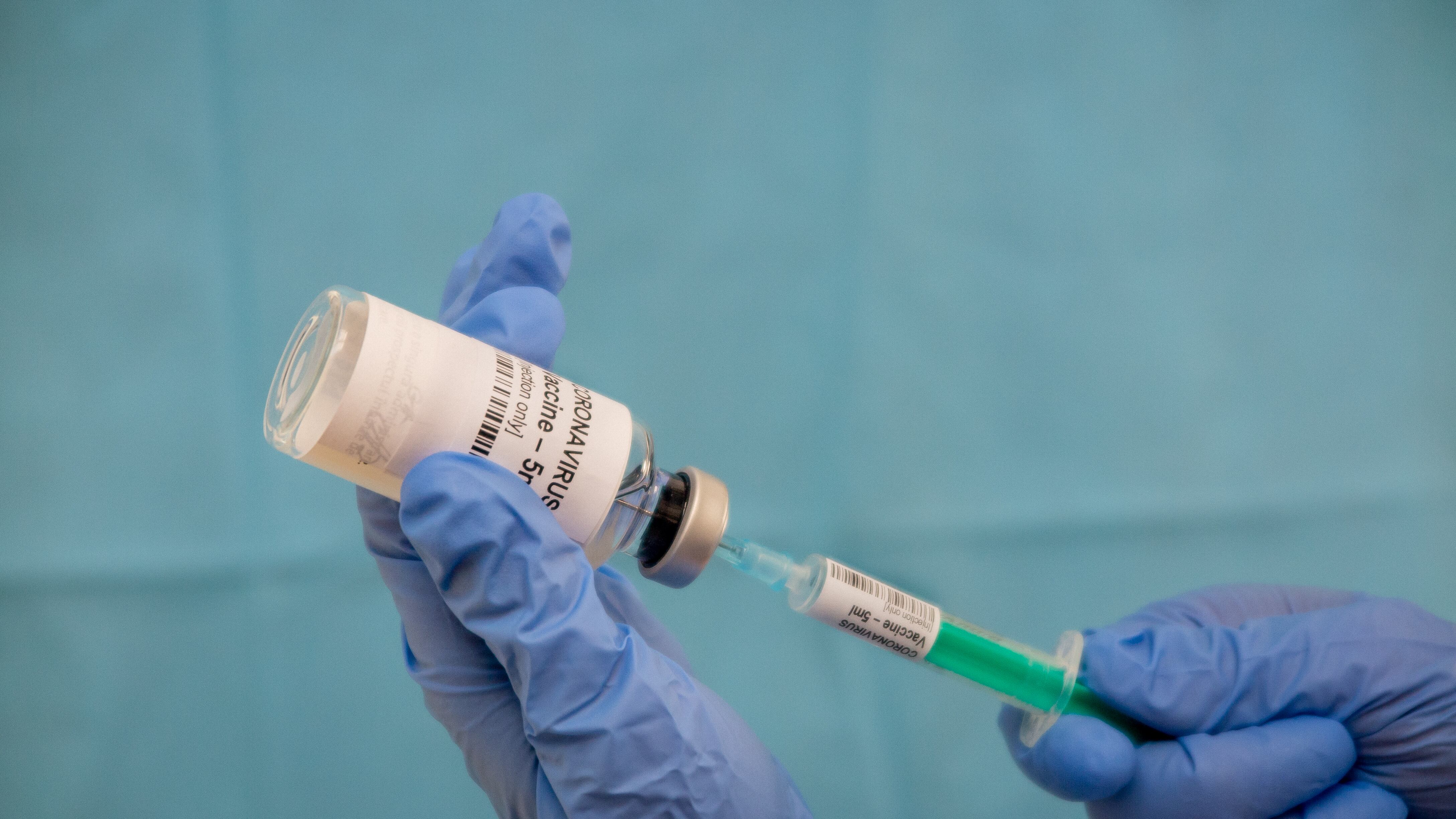
Top executives of nine drugmakers likely to produce the first vaccines against the new coronavirus are taking the extraordinary step of promising they'll be safe and effective.
Astrophysicists detected the signal from a long ago violent collision of two black holes that created a new one of a size that had never been seen before.
The timeline raised concern among public health experts about an “October surprise" — a vaccine approval driven by political considerations ahead of a presidential election, rather than science.
Thailand’s prime minister is congratulating the nation for having achieved 100 days without a confirmed locally transmitted case of the coronavirus.
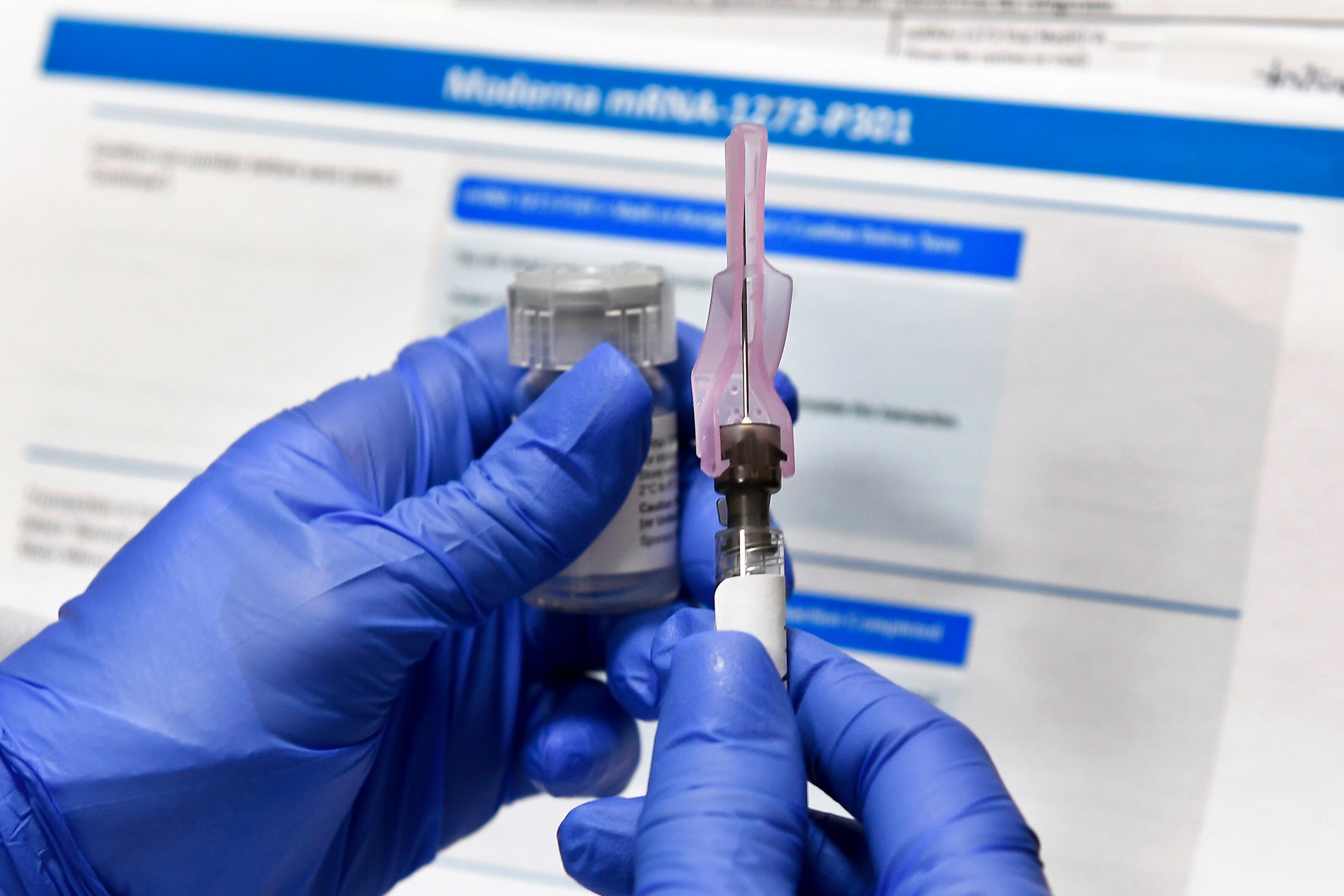
A third leading candidate COVID-19 vaccine has entered a final stage of human testing in the United States.
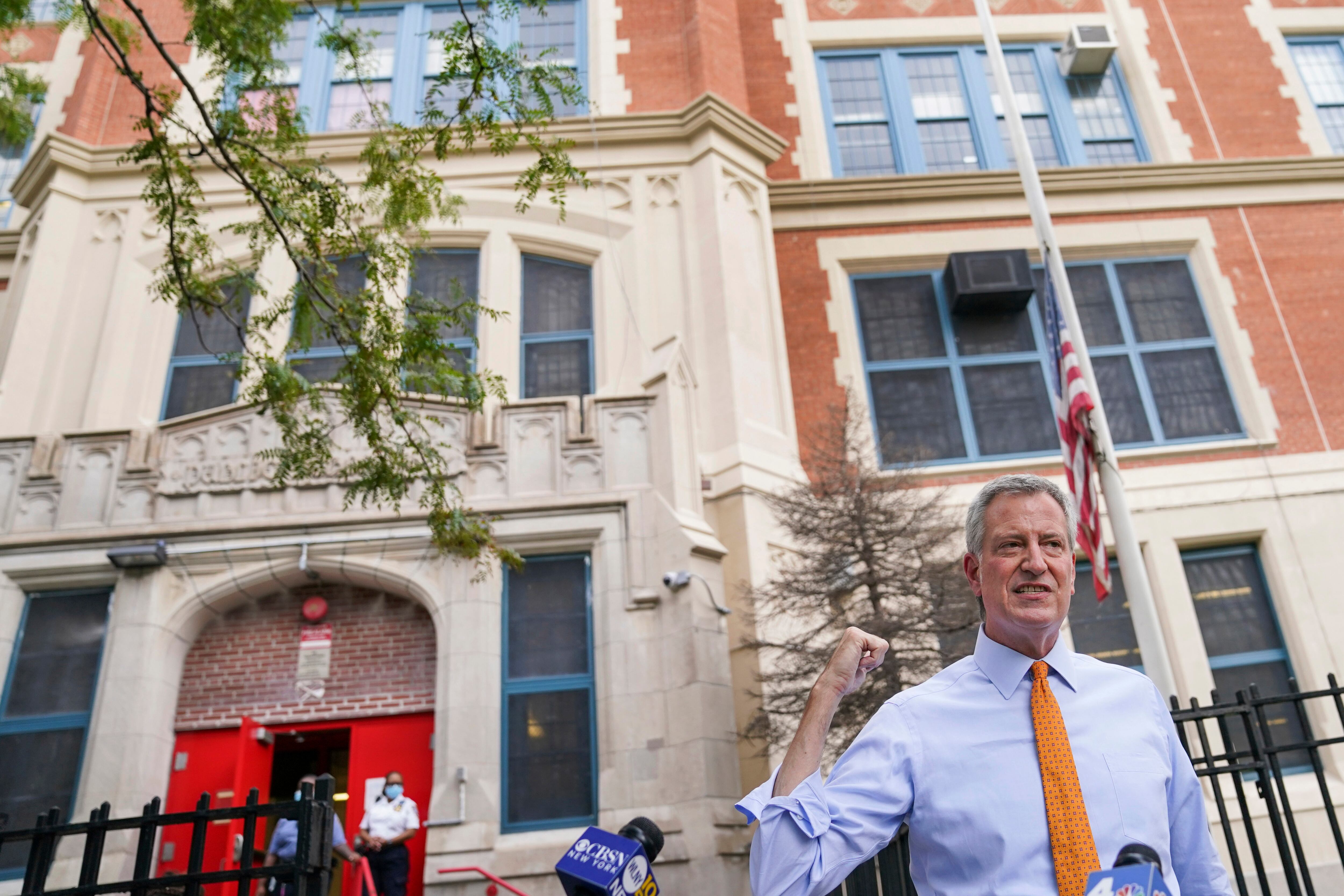
Mayor Bill de Blasio says New York City is delaying sending students back to classrooms in the nation’s largest public school system.
West Virginia University has developed technology that can predict coronavirus outbreaks with 90 percent accuracy. Dr. Ali Rezai, executive chair of WVU's Rockefeller Neuroscience Institute, joined Cheddar to discuss the technology and protocols the university will implement to mitigate the spread of COVID-19.
How and whether companies participate in COVID-19 vaccination programs could mean the difference between a successful roll-out, and one fraught with suspicion and misunderstanding.
India has registered 78,761 new coronavirus cases, the biggest single-day spike in the world since the pandemic began, just as the government began easing restrictions to help the battered economy.
From Wall Street to Silicon Valley, these are the top stories that moved markets and had investors, business leaders, and entrepreneurs talking this week on Cheddar.